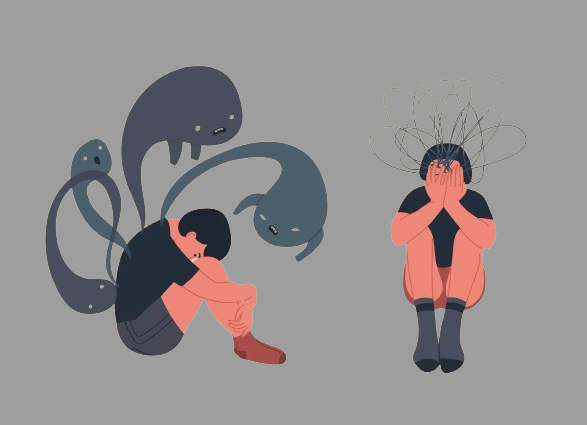
Cognitive overload symptoms are becoming increasingly common in modern life. Many people feel mentally exhausted, unfocused, forgetful, or overwhelmed, yet struggle to explain what is happening in their mind. Tasks that once felt easy may suddenly require intense effort, and thoughts may feel scattered or slow. This mental strain is not a personal failure—it is often a sign that the brain is processing more information than it can comfortably handle.
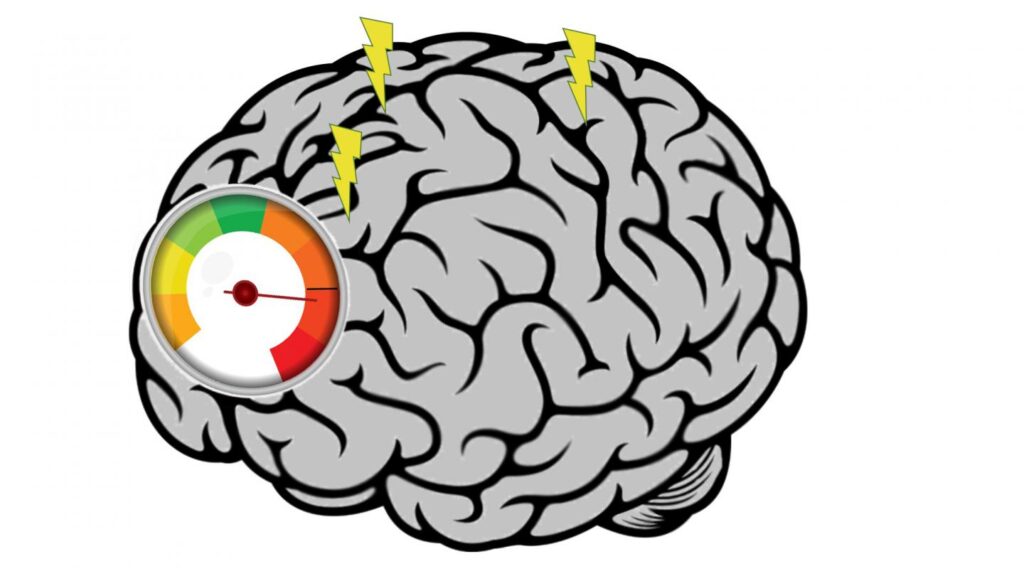
Cognitive overload occurs when mental demands exceed the brain’s processing capacity for a sustained period. Unlike ordinary tiredness, cognitive overload affects thinking clarity, memory, decision-making, and emotional regulation. It often overlaps with brain fog, a state where thoughts feel cloudy, slow, or difficult to access.
What Is Cognitive Overload ?
Cognitive overload happens when the brain receives more information, decisions, or emotional input than it can effectively process. The human brain has limited working memory and attention capacity. When these limits are exceeded, mental performance begins to decline.
In simple terms, cognitive overload is like having too many browser tabs open in your mind at once. Eventually, everything slows down, freezes, or stops responding.
Cognitive overload can be:
- Short-term, caused by temporary stress or intense concentration
- Chronic, when overload continues for weeks or months without adequate recovery
Modern life contributes heavily to cognitive overload due to:
- Constant digital stimulation
- Multitasking expectations
- Continuous decision-making
- Emotional stress and pressure
- Lack of mental rest
When the brain is overloaded, it prioritizes survival and efficiency over clarity, which leads to noticeable cognitive symptoms.
Cognitive Overload Symptoms
Cognitive overload symptoms can affect the mind, emotions, body, and behavior. These symptoms often develop gradually, making them easy to ignore at first.
Mental and Cognitive Symptoms
- Difficulty concentrating
- Slower thinking
- Forgetfulness
- Trouble following conversations
- Reduced problem-solving ability
- Mental confusion
- Difficulty organizing thoughts
Emotional Symptoms
- Irritability
- Low frustration tolerance
- Emotional numbness
- Feeling overwhelmed
- Increased anxiety
- Reduced motivation
Physical Symptoms
- Mental fatigue
- Head pressure or heaviness
- Eye strain
- Muscle tension
- Sleep disturbances
- Low energy despite rest
Behavioral Symptoms
- Procrastination
- Avoidance of complex tasks
- Increased mistakes
- Reduced productivity
- Withdrawal from mentally demanding situations
These symptoms are not signs of low intelligence or laziness. They are protective signals from the brain indicating overload.
What Are Signs of Cognitive Issues?
Understanding what are signs of cognitive issues helps distinguish cognitive overload from normal tiredness.
Mental Signs
- Struggling to remember recent information
- Losing your train of thought mid-sentence
- Difficulty learning new things
- Feeling mentally “blocked”
Decision-Making Signs
- Indecisiveness
- Overthinking simple choices
- Mental paralysis when faced with options
- Avoiding decisions altogether
Attention Signs
- Difficulty focusing for extended periods
- Needing frequent breaks
- Becoming easily distracted
- Difficulty switching tasks smoothly
Emotional and Functional Signs
- Feeling mentally drained early in the day
- Irritability during thinking tasks
- Loss of confidence in mental abilities
These signs often improve with rest and reduced mental load, which distinguishes overload from permanent cognitive impairment.
What Does Brain Fog Feel Like?
Many people experiencing cognitive overload describe brain fog. But what does brain fog feel like in real terms?
Brain fog often feels like:
- Thinking through a haze
- Delayed mental responses
- Difficulty finding words
- Feeling mentally “dull”
- Reduced clarity and sharpness
- Feeling present but not fully alert
People often say:
- “My thoughts feel slow.”
- “I know the answer, but I can’t access it.”
- “My brain feels heavy.”
- “Everything takes more effort to think through.”
Brain fog is not a disease. It is a symptom of mental strain, stress, sleep disruption, emotional overload, or prolonged cognitive effort.
Causes of Cognitive Overload
Cognitive overload usually results from a combination of mental, emotional, and environmental factors.
Information Overload
- Excessive screen time
- Constant notifications
- Continuous content consumption
- Too much information without processing time
Multitasking
- Switching between tasks frequently
- Divided attention
- Reduced mental recovery time
Chronic Stress
- Ongoing pressure
- High expectations
- Emotional strain
- Lack of downtime
Sleep Deprivation
- Poor sleep quality
- Irregular sleep schedules
- Mental fatigue accumulation
Emotional Overload
- Unprocessed emotions
- Constant worry
- Suppressed stress
- Decision fatigue
Over time, these factors exhaust mental resources and reduce cognitive efficiency.
How Cognitive Overload Affects Daily Life
Cognitive overload impacts everyday functioning in noticeable ways.
Work and Productivity
- Reduced efficiency
- Increased errors
- Difficulty prioritizing
- Slower completion of tasks
Memory and Learning
- Trouble retaining new information
- Forgetting appointments or details
- Difficulty recalling words or names
Emotional Regulation
- Increased irritability
- Emotional reactivity
- Reduced patience
Relationships
- Miscommunication
- Withdrawal
- Reduced emotional availability
Physical Well-Being
- Chronic fatigue
- Tension headaches
- Reduced immune resilience
Without intervention, cognitive overload can lead to burnout.
How to Relieve Cognitive Overload?
Knowing how to relieve cognitive overload involves reducing mental input and restoring mental capacity.
Reduce Cognitive Input
- Limit multitasking
- Reduce unnecessary notifications
- Focus on one task at a time
- Schedule information breaks
Simplify Decisions
- Reduce daily choices
- Create routines
- Prepare in advance
Rest the Brain
- Take short mental breaks
- Step away from screens
- Allow idle time
Regulate the Nervous System
- Slow breathing
- Gentle stretching
- Quiet environments
Relief comes from doing less, not trying harder.
How to Remove Brain Fog?
Brain fog improves when the brain receives consistent support rather than quick fixes.
Improve Sleep Quality
- Consistent sleep schedule
- Wind-down routines
- Reduced stimulation before bed
Support the Body
- Hydration
- Balanced meals
- Gentle movement
Reduce Mental Clutter
- Write tasks down
- Externalize memory
- Break tasks into steps
Practice Grounding
- Focus on the present moment
- Sensory awareness
- Breathing exercises
Be Patient
- Brain fog clears gradually
- Recovery requires consistency
Removing brain fog is about restoring balance, not forcing clarity.
Long-Term Strategies to Prevent Cognitive Overload
Preventing overload requires sustainable mental habits.
- Protect attention
- Schedule rest intentionally
- Limit information intake
- Build recovery into daily life
- Respect mental limits
Mental clarity improves when cognitive load matches capacity.
When Cognitive Overload Becomes a Bigger Concern
Cognitive overload may require professional support if:
- Symptoms persist for months
- Daily functioning is impaired
- Memory issues worsen
- Emotional distress increases
- Burnout develops
Early support prevents long-term consequences.
Conclusion
Cognitive overload symptoms are a response to mental strain, not a personal weakness. When the brain is overwhelmed, clarity, focus, and emotional balance naturally decline. Understanding what cognitive overload looks like, how brain fog feels, and how to relieve mental strain empowers people to recover and protect their cognitive health.
Mental clarity returns when the brain is given space, rest, and realistic demands. Recovery is not about pushing harder—it is about restoring balance.