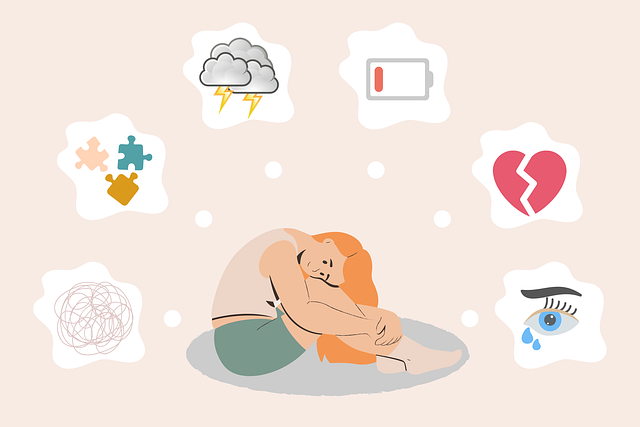
Feeling disconnected from reality can be deeply unsettling. Many people describe it as feeling “not fully here,” as if the world looks flat, distant, foggy, or unreal. Others say they feel detached from their surroundings, their emotions, or even their own body. Despite how alarming it can feel, this experience is far more common than most people realize—and in many cases, it is reversible.
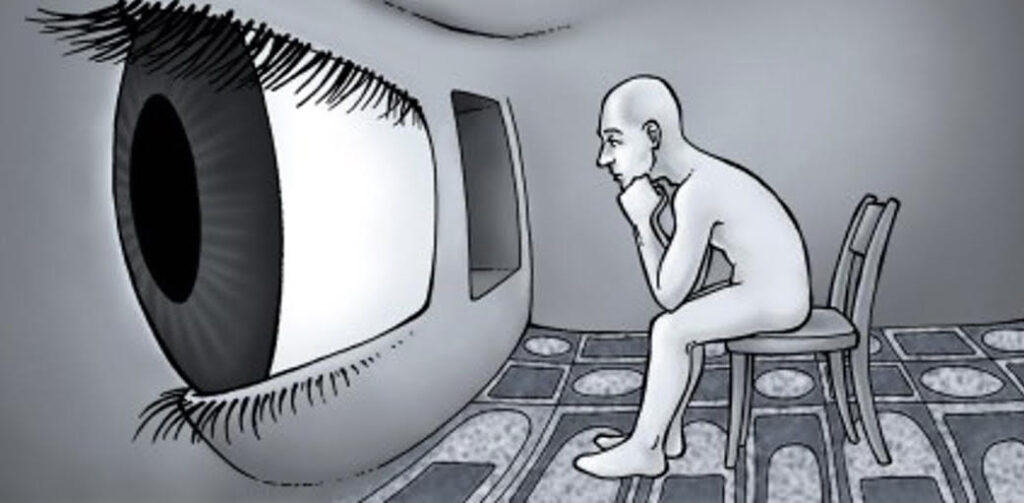
This sense of disconnection does not usually mean you are “losing touch with reality.” Instead, it is often a protective response of the brain and nervous system, especially during periods of stress, anxiety, emotional overload, or exhaustion.
What Does It Mean If You Feel Disconnected From Reality?
Feeling disconnected from reality generally refers to a change in how you perceive yourself or the world, rather than a loss of awareness or insight. Most people who experience this feeling are fully aware that something feels “off,” which is an important distinction.
Common descriptions include:
- The world feels flat, distant, or artificial
- Sounds feel muffled or too sharp
- Colors appear dull or overly intense
- You feel emotionally numb or detached
- You feel like you’re observing life rather than participating in it
This experience is often linked to derealization (feeling the world is unreal) or depersonalization (feeling detached from yourself), but it can also occur during periods of intense stress, burnout, anxiety, or emotional suppression.
Importantly, feeling disconnected from reality does not usually mean psychosis or a severe mental illness. Most people experiencing disconnection retain insight, meaning they know the feeling is unusual and distressing.
Disconnection Is a Perception Shift, Not a Reality Loss
The brain constantly filters reality to keep us safe and functional. When stress becomes overwhelming, the brain may alter perception as a coping mechanism. This can feel frightening, but it is often the nervous system’s way of reducing emotional overload.
Think of it like dimming the lights in a room that feels too bright. The room hasn’t changed—but your perception of it has.
Why Do I Feel Disconnected From the Real World?
There is no single cause. Feeling disconnected from reality is usually multifactorial, involving emotional, neurological, psychological, and lifestyle factors working together.
1. Chronic Stress and Nervous System Overload
Long-term stress is one of the most common causes of feeling disconnected. When the nervous system stays in fight-or-flight mode for too long, the brain may shift into a protective state.
This can lead to:
- Emotional numbing
- Mental fog
- Altered sensory processing
- Reduced sense of presence
The brain prioritizes survival over emotional richness, making the world feel distant or unreal.
2. Anxiety Without Panic
You don’t need panic attacks to feel disconnected. High-functioning anxiety, constant worry, or internal tension can quietly overwhelm the brain.
Anxiety can cause:
- Hyperawareness of sensations
- Over-monitoring thoughts and feelings
- Fear of losing control
This hyperfocus paradoxically leads to detachment, as the brain tries to escape constant internal pressure.
3. Emotional Suppression and Burnout
When emotions are repeatedly ignored, minimized, or suppressed, the brain may respond by turning emotional volume down altogether.
Signs this may be happening:
- You feel “empty” rather than sad
- You go through the motions without emotional engagement
- Joy feels muted or unreachable
Disconnection can be a sign that your emotional system needs rest, safety, and expression.
4. Sleep Deprivation and Exhaustion
Sleep plays a critical role in perception and emotional regulation. Poor or fragmented sleep can cause:
- Brain fog
- Reduced emotional clarity
- Dream-like waking states
When the brain doesn’t fully reset, reality can feel unreal or distorted.
5. Overstimulation and Digital Overload
Constant exposure to screens, social media, and rapid information can overwhelm sensory processing.
This may lead to:
- Reduced attention span
- Difficulty feeling present
- Emotional flattening
The brain needs stillness and embodiment to feel grounded in reality.
6. Trauma-Like Stress (Without a Trauma Diagnosis)
You don’t need a formal trauma history to experience trauma-like responses. Prolonged emotional stress, grief, relationship strain, or chronic uncertainty can trigger protective dissociation.
Disconnection is not weakness—it is often adaptation.
Disconnection vs Derealization vs Dissociation
These terms are often confused, but they are not the same.
- Disconnection: A general sense of detachment or unreality
- Derealization: The world feels unreal or artificial
- Depersonalization: You feel detached from yourself
- Dissociation: A broader umbrella term for mental detachment
Many people experience mild, temporary forms of these without a mental disorder.
What Happens in the Brain When Reality Feels Unreal?
Stress Hormones and Perception
High cortisol levels affect how the brain processes sensory input. This can cause:
- Visual distortion
- Auditory sensitivity
- Reduced emotional coloring
The world feels “off” because sensory integration is disrupted.
Amygdala Overactivation
The amygdala, the brain’s threat detector, becomes hyperactive during stress. This keeps the brain scanning for danger, making it difficult to relax into the present moment.
Reduced Prefrontal Cortex Regulation
The prefrontal cortex helps us feel oriented, grounded, and reflective. Stress reduces its ability to regulate emotions and perception, contributing to feelings of detachment.
What Are 5 Early Warning Signs of Mental Illness?
This section is about self-awareness, not diagnosis. Experiencing these signs does not automatically mean mental illness, but they may indicate that support or lifestyle changes are needed.
1. Persistent Disconnection or Emotional Numbness
Feeling detached for weeks or months without relief.
2. Noticeable Changes in Sleep or Energy
Chronic insomnia, fatigue, or restlessness.
3. Difficulty Concentrating or Thinking Clearly
Brain fog that interferes with daily functioning.
4. Loss of Interest or Meaning
Activities that once felt engaging now feel empty.
5. Increased Distress About Your Mental State
Constant worry about “what’s wrong with me.”
Early awareness allows for gentle intervention, often preventing escalation.
Is Feeling Disconnected From Reality Dangerous?
In most cases, no. Feeling disconnected is usually distressing but not dangerous. The key factor is insight—knowing that the feeling is internal and temporary.
However, if disconnection:
- Worsens rapidly
- Comes with loss of awareness
- Interferes with basic functioning
Seeking professional guidance is important.
How to Fix Derealization (Gently and Effectively)
There is no instant cure, but derealization often improves when the nervous system feels safe again.
1. Stop Fighting the Sensation
Trying to “force reality back” increases anxiety.
Instead:
- Acknowledge the sensation
- Remind yourself it is temporary
- Reduce self-monitoring
Acceptance often reduces intensity.
2. Ground the Body, Not the Thoughts
Grounding works best when it involves the body.
Helpful techniques:
- Walking barefoot (if safe)
- Cold water on hands
- Stretching or slow movement
- Noticing physical contact with surfaces
This signals safety to the brain.
3. Regulate the Nervous System
Slow breathing, especially long exhales, activates the parasympathetic nervous system.
Example:
- Inhale 4 seconds
- Exhale 6–8 seconds
Consistency matters more than intensity.
4. Reduce Anxiety Around the Experience
Fear fuels derealization. Learning that it is common and reversible reduces its grip.
Avoid:
- Excessive symptom googling
- Constant checking of perception
5. Improve Sleep and Routine
Regular sleep, meals, and daily structure stabilize perception.
The brain feels safer with predictability.
6. Reconnect Emotionally (Slowly)
Journaling, therapy, creative expression, or safe conversations help restore emotional integration.
7. Limit Overstimulation
Reduce:
- Excessive screen time
- Caffeine
- Late-night scrolling
Stillness helps reality feel real again.
How Long Does Derealization Last?
For many people, derealization:
- Comes and goes
- Improves as stress decreases
- Resolves fully over time
Duration varies, but it is not permanent for most people.
Can Anxiety Cause Disconnection From Reality?
Yes. Anxiety is one of the most common triggers. The brain becomes hyperalert, then disconnects to cope.
Ironically, people who are highly self-aware and sensitive are more prone to noticing disconnection.
Can You Feel Disconnected Without Depression or Psychosis?
Absolutely. Disconnection can exist on its own, especially during stress, burnout, or emotional overload.
When to Seek Professional Support
Consider reaching out if:
- Disconnection persists for months
- It causes significant distress
- You feel unable to function normally
Support is not a failure—it is a resource.
Frequently Asked Questions
Is feeling disconnected from reality a mental illness?
No. It is a symptom or experience, not a diagnosis.
Can stress make the world feel unreal?
Yes. Chronic stress alters perception.
Is derealization permanent?
For most people, no.
Can lifestyle changes really help?
Yes—consistently.
Final Thoughts: Feeling Disconnected Is a Signal, Not a Sentence
Feeling disconnected from reality can be frightening, but it is often your brain’s protective response to overload, not a sign of permanent damage or loss of control.
With understanding, patience, and gentle nervous system regulation, reality usually begins to feel real again—not all at once, but steadily.
You are not broken.