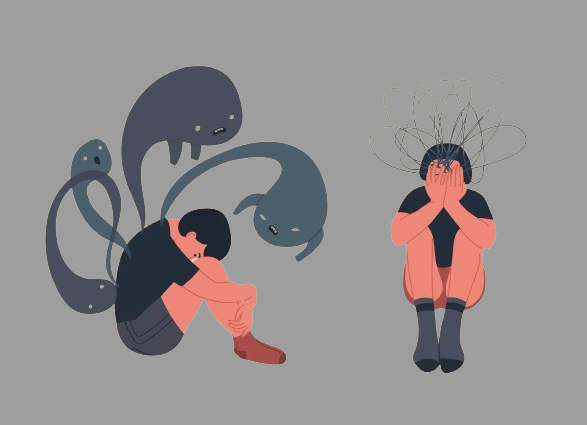
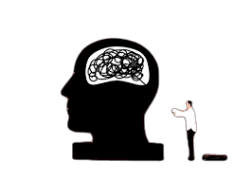
Emotional flashbacks can feel terrifying, confusing, and deeply overwhelming—especially when you don’t fully understand why they happen. One moment you may feel calm or neutral, and the next moment you are flooded with intense fear, shame, anger, sadness, or helplessness that seems to come out of nowhere. Unlike visual flashbacks, emotional flashbacks often do not include images. Instead, they pull you straight back into the emotional state of past trauma.
This guide will help you understand:
- What emotional flashbacks are
- What triggers emotional flashbacks
- What PTSD flashbacks feel like
- Why flashbacks keep happening
- How to bring someone out of a flashback
- How to calm and prevent emotional flashbacks

1. Introduction to Emotional Flashbacks
An emotional flashback is a sudden return to the emotions of a past traumatic experience, without necessarily remembering the event clearly. Unlike traditional flashbacks where someone may see or relive a traumatic memory visually, emotional flashbacks happen mostly in the body and emotional system.
A person in an emotional flashback may feel:
- Intense fear
- Deep shame
- Helplessness
- Panic
- Emotional numbness
- A powerful urge to escape or shut down
These reactions are not random. They are the nervous system’s survival responses being re-activated by something in the present that feels emotionally similar to past trauma.
Emotional flashbacks are especially common in:
- PTSD
- Complex PTSD (C-PTSD)
- Childhood trauma
- Emotional neglect
- Long-term relational trauma
Understanding what triggers emotional flashbacks is the first step toward healing.
People Also Ask – Emotional Flashbacks
2. What Triggers an Emotional Flashback?
Emotional flashbacks are triggered when the brain detects something that feels emotionally similar to past danger, even if there is no real danger now. These triggers can be:
1. Emotional Triggers
- Feeling rejected
- Feeling criticized
- Feeling ignored
- Feeling embarrassed
- Feeling powerless
- Feeling abandoned
- Feeling trapped
Your nervous system responds not to facts—but to emotional meaning.
2. Relational Triggers
- Arguments
- Raised voices
- Cold silence
- Disapproval
- Authority figures
- Romantic rejection
- Being misunderstood
If your trauma came from relationships, your triggers will often be people-based.
3. Sensory Triggers
- Smells
- Sounds
- Certain music
- Footsteps
- Doors slamming
- Tone of voice
- Lighting
- Time of day
The brain encodes trauma through the senses. Even subtle sensory cues can activate flashbacks instantly.
4. Environmental Triggers
- Certain places
- Specific rooms
- Hospitals
- Schools
- Family homes
- Childhood neighborhoods
5. Internal Triggers
- Certain thoughts
- Body sensations
- Emotions like guilt or fear
- Stress or exhaustion
- Hunger or lack of sleep
Sometimes the trigger is inside, not outside.
6. Anniversary & Seasonal Triggers
- Holidays
- Birthdays
- Trauma anniversaries
- Specific months or seasons
Even without remembering why, your body remembers.
Why Triggers Feel Sudden
Triggers feel sudden because the trauma brain processes threat faster than logic. The response happens before conscious awareness.
3. What Do PTSD Flashbacks Feel Like?
Flashbacks are not just memories. They are full-body emotional and physical experiences.
A person having a PTSD flashback may feel:
Emotional Symptoms
- Terror
- Shame
- Rage
- Emotional collapse
- Overwhelming sadness
- Emotional numbness
Physical Symptoms
- Racing heart
- Shortness of breath
- Sweating
- Nausea
- Dizziness
- Weakness
- Muscle tension
Mental Symptoms
- Confusion
- Feeling “small”
- Feeling trapped in the past
- Thoughts like “I’m not safe”
- Feeling unreal or detached
A flashback is not the person “overreacting”—it is the nervous system reliving threat.
4. Why Do I Keep Having Flashbacks From My Past?
Many people ask, “Why is this still happening years later?”
Here’s why:
1. Trauma Is Stored in the Nervous System
Trauma is not stored like regular memory. It is stored as:
- Body sensations
- Emotions
- Survival reactions
This means the body reacts first—even if the mind does not remember.
2. The Brain Is Trying to Protect You
Flashbacks happen because the brain learned:
“This feeling = danger.”
Even when danger is no longer real, the brain still reacts as if it is.
3. Repeated Stress Weakens Emotional Defenses
Ongoing stress, burnout, unstable relationships, or chronic anxiety can lower your emotional tolerance and increase flashbacks.
4. Unprocessed Trauma Seeks Resolution
The nervous system continues to signal until the trauma is felt, understood, and regulated safely.
5. Self-Blame Makes Flashbacks Stronger
When people shame themselves for having flashbacks, the nervous system feels even more unsafe—causing flashbacks to repeat.
5. How Do I Bring Someone Out of a Flashback?
Helping someone during a flashback requires calm, safety, patience, and grounding.
What TO Do
✅ Speak softly and slowly
✅ Use their name
✅ Remind them where they are
✅ Ask gentle questions
✅ Encourage slow breathing
✅ Help them feel their body
✅ Offer physical grounding (only if welcomed)
Examples:
- “You’re safe right now.”
- “You’re here with me.”
- “It’s 2025. You’re not there anymore.”
- “Try to feel your feet on the floor.”
What NOT To Do
❌ Do not shout
❌ Do not argue with their fear
❌ Do not force touch
❌ Do not rush them
❌ Do not minimize (“It’s nothing”)
❌ Do not demand logic
The goal is regulation, not reasoning.
6. Emotional Flashbacks vs Panic Attacks
Although they can look similar, they are different:
| Panic Attacks | Emotional Flashbacks |
|---|---|
| Fear without past memory | Fear linked to trauma |
| Sudden anxiety | Sudden emotional regression |
| “I am dying” feeling | “I am a child again” feeling |
| Physical panic focus | Trauma-based emotional focus |
| Often short | Can last much longer |
Some people experience both at once.
7. Common Triggers of Emotional Flashbacks
Here are some of the most common trigger categories:
- Criticism
- Rejection
- Arguments
- Being ignored
- Feeling powerless
- Loss of control
- Disappointment
- Authority figures
- Romantic conflict
- Feeling trapped
- Being watched
- Shame experiences
- Not being believed
Every person’s triggers are unique, but emotional similarities are the key.
8. How Trauma Creates Emotional Flashbacks
Trauma teaches the nervous system one central message:
“Danger can happen at any time.”
The brain rewires itself for survival through:
- Fight
- Flight
- Freeze
- Fawn
Once this wiring forms, even safe situations that resemble past danger emotionally can activate the response again.
The body reacts before the thinking brain has time to analyze the present.
9. How to Calm an Emotional Flashback
You cannot force a flashback to stop—but you can help your nervous system stabilize.
Step 1: Name It
Say:
“This is a flashback. I am safe now.”
This separates past from present.
Step 2: Ground the Body
- Push feet into the floor
- Hold something textured
- Splash cold water
- Hold ice
- Hug a pillow
Step 3: Slow the Breath
- Inhale 4 seconds
- Exhale 6 seconds
- Repeat slowly
Step 4: Reorient to the Present
Say:
- Today’s date
- Your age
- The room you’re in
- Who you are with
Step 5: Use Compassionate Self-Talk
- “I survived.”
- “This feeling will pass.”
- “I’m not broken.”
- “My body is protecting me.”
10. How to Prevent Emotional Flashbacks
You cannot remove all triggers—but you can reduce their intensity and frequency.
Key Prevention Tools
✅ Learning your triggers
✅ Nervous system regulation
✅ Rest and sleep
✅ Boundaries
✅ Emotional awareness
✅ Trauma-informed therapy
✅ Grounding practice
✅ Self-compassion
✅ Reducing toxic relationships
✅ Stress management
Healing does not mean flashbacks disappear instantly—it means you recover faster and feel safer in your body.
11. When to Seek Professional Help
You should seek trauma-informed therapy when:
- Flashbacks are frequent
- They interfere with relationships or work
- There is dissociation
- There is self-harm risk
- There is severe emotional shutdown
- There are panic attacks alongside flashbacks
Professional support helps safely re-train the nervous system.
12. Final Thoughts
Emotional flashbacks are not weakness. They are survival responses from a body that learned danger too early, too often, or too deeply. You are not broken. Your nervous system simply learned to protect you in extreme ways.
With the right understanding, safety, regulation, and support, emotional flashbacks can become:
- Shorter
- Less intense
- Less overwhelming
- Easier to recover from
Healing is not about forgetting the past—it’s about no longer being controlled by it.