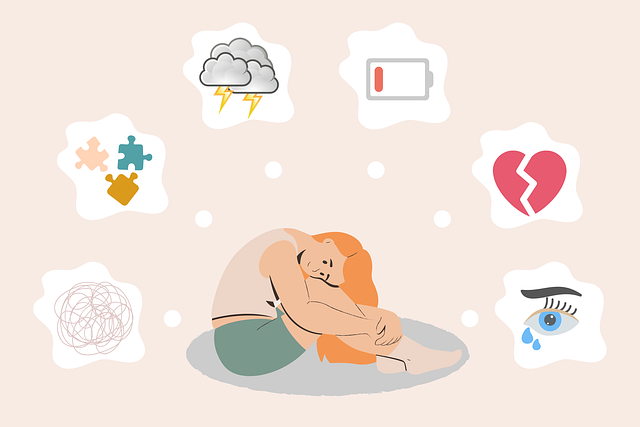
Stress affects everyone differently, but for many people, intense stress doesn’t lead to yelling, crying, or confrontation — it leads to shutting down. This shutdown can feel like going numb, going silent, feeling frozen, or mentally checking out. Some people suddenly feel blank, distant, or overwhelmed; others go quiet and can’t speak. It’s not weakness — it’s a deeply wired survival response.

🧠 What Is Shutting Down Psychology?
Shutting down is a freeze or fawn response — a built-in survival mechanism activated when the brain feels threatened, overwhelmed, or emotionally unsafe.
Psychology explains emotional shutdown as:
1. A Nervous System Overload
When stress becomes too much, the brain turns off emotional and physical activation to protect you.
2. A Freeze Response
Just like animals freeze when danger feels unavoidable, humans freeze when emotions feel too big to handle.
3. A Dissociation-Like State
Some people mentally distance themselves to reduce emotional pain.
4. An Emotional Exhaustion Response
After prolonged stress, the system shuts down to conserve energy.
5. A Learned Pattern
If someone grew up in an environment where expressing emotions wasn’t safe, shutting down becomes automatic.
Shutting down is not a conscious choice — it is a deep, instinctive way the body protects itself.
🔇 Why Do I Go Mute When I’m Upset?
Going mute during stress is extremely common. People often say:
- “I want to talk, but the words won’t come out.”
- “I freeze when things get emotional.”
- “My mind goes blank when I’m upset.”
- “I shut down instead of defending myself.”
Here are the main reasons:
1. Emotional Overload
When emotions become too intense, the verbal part of the brain temporarily shuts down. This makes talking almost impossible.
2. Fear of Conflict
Some people go silent because conflict feels threatening or unsafe.
3. Past Trauma
If you learned as a child that speaking up led to criticism, punishment, or being ignored, silence becomes a survival strategy.
4. Fear of Saying the Wrong Thing
People who are highly sensitive, anxious, or peace-oriented often shut down to avoid causing tension.
5. Fight-Flight-Freeze Response
Going mute is part of the freeze branch of the stress response.
6. Emotional Withdrawal
Sometimes the mind disconnects to protect itself from emotional pain.
7. Shame or Vulnerability
Feeling misunderstood, rejected, or judged can make speech shut down completely.
Going mute doesn’t mean you don’t care — it means your mind is overwhelmed and goes offline.
🌑 Can Trauma Make You Shut Down?
Yes, trauma — especially unprocessed emotional trauma — can strongly influence shutdown responses.
Trauma affects the brain’s stress system, making it more sensitive and reactive. When something resembles past emotional pain, the brain may protect you by shutting down.
Here’s how trauma shapes emotional shutdown:
1. Trauma Teaches the Brain That Silence = Safety
If speaking up led to rejection, yelling, punishment, or conflict, silence becomes a protective habit.
2. Trauma Creates Emotional Numbing
People who’ve been overwhelmed emotionally may automatically numb or detach to stay safe.
3. Trauma Makes the Nervous System Overreact
Even mild stress can feel overwhelming, resulting in shutdown.
4. Trauma Can Cause “Shutdown Mode” to Activate Too Quickly
The brain becomes hypervigilant, switching into freeze whenever vulnerability appears.
5. Trauma Bonds and Childhood Conditioning
Children who grew up:
- walking on eggshells
- feeling invisible
- scared to express needs
- punished for having emotions
often become adults who shut down under stress.
Trauma doesn’t make someone weak — it makes their nervous system over-protective.
🌬️ How to Recover From an Emotional Shutdown
Emotional shutdown can feel scary, but it is possible to recover gently. The goal isn’t to force yourself to “snap out of it,” but to slowly bring your nervous system back into safety.
Here are effective recovery steps:
1. Give Yourself Permission to Pause
Shutting down means your system is overwhelmed. Rest is the first step.
2. Use Grounding Techniques
These gently bring you back into your body and the present moment:
- Touch something cold
- Hold a textured object
- Put your hand on your chest
- Slowly look around the room
Grounding tells your system: “You are safe right now.”
3. Breathe in Small, Slow Cycles
Deep breathing can feel impossible when shut down, so start small:
- 2–3 second inhales
- 2–3 second exhales
This helps your nervous system re-regulate.
4. Name What You’re Feeling (Even in Your Head)
Putting words to your emotions reduces overwhelm.
Example:
“I feel frozen. I feel overwhelmed. I feel scared to speak.”
5. Move Something Small
Shut down often immobilizes the body. Try:
- stretching your fingers
- rotating your shoulders
- taking one slow step
Movement breaks the freeze response.
6. Journal After You Re-Regulate
Writing helps access the part of your brain that goes offline during stress.
7. Connect With Safe People
Talk when you’re ready. Even soft contact like texting someone can help.
8. Create Safe Emotional Boundaries
If certain people or situations trigger shutdown, setting boundaries can protect your energy.
9. Remind Yourself That Shutdown Is a Survival Response
It’s not a flaw — it’s your brain protecting you.
🌈 Why Emotional Shutdown Happens to Some People More Than Others
People who shut down under stress often share similar traits:
- highly sensitive
- deep thinkers
- raised in unpredictable environments
- anxious or conflict-avoidant
- emotionally intelligent but overwhelmed easily
- perfectionistic
- empathetic
- conditioned to stay quiet to stay safe
Knowing this helps you understand your patterns with compassion instead of self-blame.
🌟 Conclusion: Shutting Down Is a Sign Your System Needs Safety, Not Shame
When stress becomes overwhelming, shutting down is not failure — it is survival. It is the brain’s way of protecting you from more emotional pain than you can handle in the moment.
Whether you go mute, feel numb, withdraw, or mentally freeze, your response has a reason.
Understanding your patterns helps you break them gently and slowly.
Healing begins when you stop asking, “What’s wrong with me?”
and start asking…
💛 “What happened to me, and how can I support myself better?”