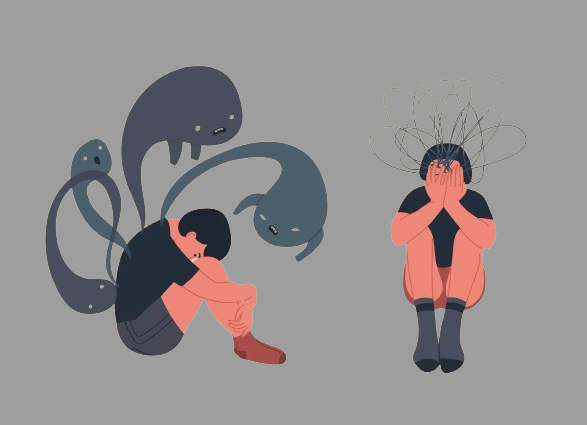
Trauma does not only affect emotions—it deeply impacts how the brain stores, recalls, and processes memories. Many people who have experienced trauma notice changes in their memory: forgetfulness, difficulty concentrating, missing details, or vivid memories that feel intrusive and uncontrollable. These experiences can be confusing and frightening, often leading people to wonder whether something is “wrong” with them.
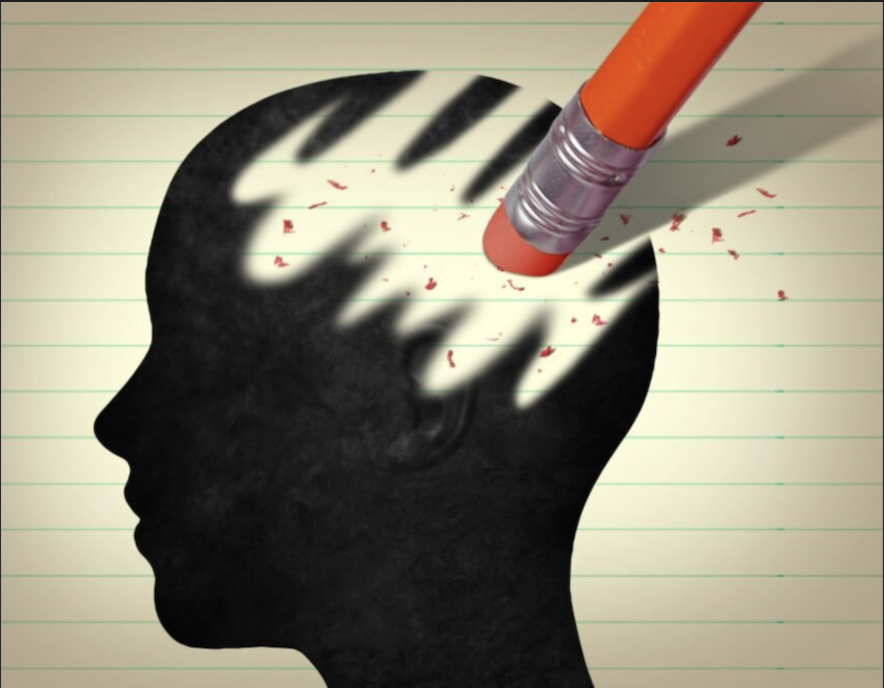
In reality, trauma-related memory issues are a normal and protective response of the brain. When the nervous system is overwhelmed, survival becomes the priority, and memory functions adapt accordingly. This article explores why trauma affects memory, how it impacts different types of memory, and—most importantly—how healing and recovery are possible.
Understanding Trauma and the Brain
Trauma occurs when an experience overwhelms a person’s ability to cope. This may involve a single event, such as an accident or assault, or ongoing exposure to stress, neglect, or abuse. Trauma can be physical, emotional, psychological, or relational.
When the brain detects danger, it activates survival systems designed to keep us alive. These systems change how information is processed and stored.
Key Brain Areas Involved in Trauma and Memory
- Amygdala – Detects threat and triggers fear responses
- Hippocampus – Organizes and stores memories with time and context
- Prefrontal Cortex – Responsible for reasoning, focus, and decision-making
During trauma, the amygdala becomes highly active, while the hippocampus and prefrontal cortex may function less effectively. This imbalance plays a major role in trauma-related memory problems.
Can Trauma Cause Bad Memory?
Yes, trauma can cause memory difficulties—but not because the brain is damaged or broken. Instead, memory changes occur because the brain is prioritizing survival over storage.
Common Trauma-Related Memory Issues
- Forgetting everyday information
- Trouble recalling names, dates, or conversations
- Difficulty learning new material
- Feeling mentally “foggy”
- Losing track of time or tasks
These memory problems are often most noticeable during or after stressful situations. They may come and go, depending on how safe or overwhelmed a person feels.
Trauma vs Normal Forgetfulness
Everyone forgets things occasionally. Trauma-related memory issues tend to be:
- More persistent
- Triggered by stress or reminders
- Accompanied by anxiety, dissociation, or emotional distress
Importantly, these memory problems are adaptive, not a personal failure.
What Are the Effects of Trauma?
Trauma affects the whole person—mind, body, and nervous system. Memory issues are just one part of a much larger picture.
Emotional Effects of Trauma
- Anxiety and fear
- Emotional numbness
- Mood swings
- Shame or guilt
Cognitive Effects of Trauma
- Difficulty concentrating
- Slower thinking
- Memory gaps
- Trouble planning or organizing
Physical Effects of Trauma
- Fatigue
- Headaches
- Sleep disturbances
- Muscle tension
These effects are interconnected. When the nervous system remains on high alert, the brain has fewer resources available for memory and learning.
How Stress Hormones Affect Memory
Trauma activates stress hormones such as cortisol and adrenaline. In short bursts, these hormones help the brain remember danger. However, prolonged exposure can disrupt memory formation.
Short-Term Effects
- Heightened emotional memory
- Reduced attention to details
- Fragmented recall
Long-Term Effects
- Shrinking of the hippocampus (reversible)
- Impaired working memory
- Difficulty integrating memories into a coherent story
This explains why traumatic memories often feel vivid yet disorganized.
How Does Trauma Impact Working Memory?
Working memory is the brain’s ability to hold and manipulate information in the present moment. It helps with tasks such as reading, problem-solving, and following conversations.
Trauma and Working Memory Difficulties
People affected by trauma may experience:
- Trouble focusing on tasks
- Difficulty multitasking
- Losing track of instructions
- Mental exhaustion
This happens because the brain is constantly scanning for danger. When survival systems are active, working memory capacity is reduced.
Everyday Examples
- Forgetting what you were about to say
- Reading the same paragraph repeatedly
- Struggling to follow meetings or conversations
These challenges are not signs of low intelligence—they reflect a nervous system under stress.
Why Does Trauma Suppress Memories?
Memory suppression is one of the brain’s most powerful protective strategies. When experiences are too overwhelming, the brain may limit access to certain memories to prevent emotional overload.
Memory Suppression as Protection
Trauma-related memory suppression may involve:
- Partial amnesia
- Emotional detachment from memories
- Fragmented recall
This allows the person to continue functioning despite overwhelming experiences.
Dissociation and Memory
Dissociation is a common trauma response that can affect memory. It may feel like:
- Zoning out
- Feeling disconnected from reality
- Losing chunks of time
When dissociation occurs, memories may not be fully stored, making recall difficult later.
Repressed vs Inaccessible Memories
It is important to distinguish between myths and neuroscience.
- Repressed memories imply memories are completely hidden
- Inaccessible memories are stored but difficult to retrieve
Trauma memories are often state-dependent, meaning they are more accessible when a person feels unsafe or triggered.
Types of Memory Problems Linked to Trauma
Trauma affects memory in different ways, depending on the individual and the type of trauma experienced.
Intrusive Memories
- Flashbacks
- Nightmares
- Sudden emotional recall
These memories feel vivid because they are stored with strong emotional activation.
Memory Gaps
- Missing details of events
- Difficulty recalling parts of childhood
- Forgetting entire periods of time
Fragmented Memories
Trauma memories may lack:
- Clear timelines
- Logical order
- Verbal detail
Instead, they are often stored as sensations, emotions, or images.
Childhood Trauma and Memory Development
Childhood trauma can significantly affect how memory systems develop.
Impact on the Developing Brain
- Reduced hippocampal development
- Heightened stress sensitivity
- Difficulty with learning and attention
Children exposed to trauma may struggle academically, not due to lack of ability, but because their brains are focused on safety.
Long-Term Effects into Adulthood
- Persistent memory and concentration difficulties
- Emotional reactivity
- Difficulty trusting one’s own recall
Healing is still possible due to brain plasticity.
PTSD, Complex Trauma, and Memory
Post-Traumatic Stress Disorder (PTSD) and complex trauma are strongly associated with memory disturbances.
PTSD-Related Memory Symptoms
- Flashbacks that feel present-day
- Difficulty recalling non-traumatic information
- Confusion around timelines
Why Traumatic Memories Feel “Frozen”
Trauma memories are often stored without proper context, making them feel as if they are happening now rather than in the past.
The Role of Neuroplasticity in Healing
The brain is capable of change throughout life. This ability, known as neuroplasticity, means trauma-related memory problems are not permanent.
How Healing Supports Memory Recovery
- Reduced stress hormone levels
- Improved hippocampal functioning
- Better integration of memories
Safety and consistency are key factors in this process.
Healing Trauma-Related Memory Issues
Memory recovery does not require forcing recall. Healing focuses on restoring safety and regulation.
Trauma-Informed Therapies
- EMDR (Eye Movement Desensitization and Reprocessing)
- Somatic therapies
- Cognitive Behavioral Therapy (CBT)
- Emotionally Focused Individual Therapy (EFIT)
These approaches help the brain reprocess traumatic memories in a safe way.
Everyday Strategies to Support Memory
- Grounding exercises
- Mindfulness practices
- Adequate sleep
- Gentle routines
- Writing or journaling
Small, consistent steps can make a significant difference.
Can Memory Improve After Trauma?
Yes. Many people experience noticeable improvement in memory once their nervous system feels safer.
What Recovery Often Looks Like
- Improved concentration
- Fewer memory gaps
- Less mental fog
- Greater emotional clarity
Recovery is not linear, and setbacks are normal—but progress is possible.
(FAQs)
Can trauma permanently damage memory?
No. Trauma changes how memory functions, but these changes are often reversible with healing and support.
Why do I forget things after emotional trauma?
Emotional trauma activates survival systems that reduce memory processing and recall.
Is trauma-related memory loss reversible?
In most cases, yes. The brain can reorganize and heal over time.
Can therapy help restore memory?
Trauma-informed therapy can significantly improve memory and cognitive functioning.
Why do traumatic memories come back suddenly?
Triggers activate emotional memory networks, bringing memories to the surface unexpectedly.
Is it normal to remember trauma but forget everyday things?
Yes. Emotional memories are prioritized over neutral information during trauma.
Final Thoughts: Memory, Trauma, and Hope
Trauma-related memory problems can feel isolating and frightening, but they are a normal response to overwhelming experiences. Your brain adapted to protect you when it needed to. With safety, support, and time, memory can improve.
Healing is not about forcing the past to return—it is about helping the nervous system feel safe enough to function fully again. Trauma does not define your intelligence, your worth, or your future. Recovery is possible, and your brain is capable of remarkable change.