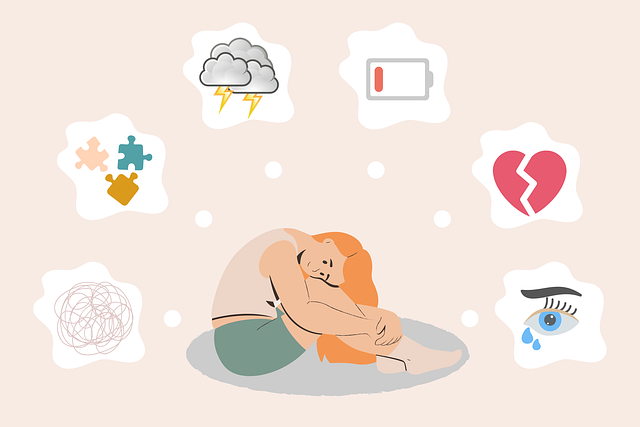
Nightmares after trauma are far more than frightening dreams—they can be one of the most persistent and distressing symptoms of traumatic stress. Many people who experience a traumatic event find that sleep becomes a battleground. Instead of rest, their nights are filled with vivid, intrusive, and emotionally intense dream experiences that replay or symbolically represent the trauma.
These nightmares can leave a person waking up exhausted, overwhelmed, and anxious about going to sleep the next night. Over time, disrupted sleep can spill into daytime life, affecting mood, concentration, relationships, and overall health.
The good news? Trauma-related nightmares are treatable, and understanding how they work is the first step to regaining control.

Is It Normal to Have Nightmares After Trauma?
Yes—nightmares after trauma are very common. In fact, they are considered one of the hallmark symptoms of Post-Traumatic Stress Disorder (PTSD) and acute stress responses.
Why Trauma Shows Up in Dreams
When a traumatic event occurs, the brain enters survival mode. The fight-or-flight system becomes active, pumping stress hormones like adrenaline and cortisol. After the event, the brain attempts to process what happened, but traumatic memories are not stored the same way as normal memories.
Instead of being filed away neatly, trauma memories remain fragmented, sensory-based, and emotionally charged. They lack context and remain active in the nervous system.
During REM sleep—the stage where dreaming occurs—the brain tries to integrate experiences and process emotions. For trauma survivors, this processing effort can “overflow” into nightmares.
How Common Are Trauma Nightmares?
Research shows:
- Roughly 50–90% of trauma survivors experience frequent nightmares.
- People with PTSD have nightmares two to three times more often than the general population.
- Nightmares may occur immediately after the trauma or may begin months or even years later.
Types of Trauma-Related Nightmares
Not all trauma nightmares are direct replays of the event. Common forms include:
- Exact replay of the trauma
- Symbolic representations, such as being chased or trapped
- Emotion-based dreams, where the feelings of the trauma are present without the original imagery
- Fragmented or distorted versions of the event
- Night terrors, involving sudden waking with extreme fear but little dream recall
Why “Normal” Doesn’t Mean “Harmless”
While common, nightmares after trauma can deeply affect daily life by:
- disrupting sleep
- raising anxiety levels
- triggering avoidance of sleep
- worsening hypervigilance
- amplifying daytime flashbacks
So yes—trauma nightmares are normal, but you do not have to live with them forever. With the right strategies and support, many people significantly reduce or eliminate trauma-related nightmares.
What Does a PTSD Nightmare Look Like?
A PTSD nightmare is different from a typical nightmare. Ordinary bad dreams can be upsetting, but PTSD nightmares feel intense, vivid, and emotionally overwhelming. Many people wake up with physical symptoms as if the event is happening in real time.
Below is a gentle, non-graphic explanation of how PTSD nightmares often appear.
1. Re-experiencing the Trauma
Some PTSD nightmares replay parts of the traumatic event. These dreams may:
- feel extremely realistic
- involve sensory detail (sounds, smells, movement)
- include the same fear or helplessness felt during the event
- trigger the same physical reactions
2. Symbolic Representations
The nightmare might not show the trauma itself but will hold the same emotional meaning. Examples include:
- being chased
- losing control
- being trapped
- falling
- witnessing danger
These dreams can feel terrifying even if the imagery is unrelated.
3. Emotional Flashback Dreams
In some cases, the nightmare contains no recognizable storyline. Instead, the person wakes up feeling:
- panic
- dread
- sadness
- anger
- guilt
- confusion
Emotionally intense dreams can be just as distressing as explicit replay nightmares.
4. Body-Based Nightmares
People may:
- wake up sweating
- shake uncontrollably
- feel their heart racing
- have difficulty breathing
- scream or cry in sleep
- jerk awake suddenly
These can feel like the body is reliving the trauma through sensations.
5. Hyperarousal on Waking
Upon waking, many people experience:
- fear
- disorientation
- muscle tension
- difficulty calming down
- a sense of immediate danger
This can make it hard to return to sleep, often leading to sleep avoidance or insomnia.
Why PTSD Nightmares Feel So Real
Trauma memories are stored deep in the limbic system—the emotional center of the brain. During REM sleep, this system is active while the rational brain is less active, which explains why PTSD dreams can feel:
- intense
- chaotic
- vivid
- uncontrollable
They are not “just dreams”—they are the brain’s attempt to process or contain unhealed trauma.
What Are the Physical Effects of Trauma?
Trauma affects the whole body. It is not just a psychological event—it is a biological one. When someone experiences intense stress or danger, the nervous system is overwhelmed. Over time, this can lead to profound physical consequences.
1. Nervous System Dysregulation
The nervous system may become stuck in:
- fight-flight mode, leading to anxiety, restlessness, and hypervigilance
- freeze mode, leading to numbness, exhaustion, or dissociation
This imbalance plays a major role in sleep problems and nightmares.
2. Hormonal Effects
Trauma disrupts:
- cortisol (stress hormone)
- adrenaline
- noradrenaline
Imbalanced stress hormones can:
- interfere with REM sleep
- increase nighttime awakenings
- amplify fear-based dreams
3. Chronic Tension & Somatic Symptoms
Trauma survivors often report:
- headaches
- chest tightness
- stomach discomfort
- muscle aches
- tremors
- fatigue
- increased heart rate
Nightmares can worsen these physical symptoms by repeatedly activating the body.
4. Sleep Disturbances
Trauma is strongly linked to:
- insomnia
- restless sleep
- frequent night wakings
- sleep paralysis
- night sweats
These make trauma recovery more challenging.
5. Long-term Health Risks
If unaddressed, chronic trauma activation can contribute to:
- digestive issues
- immune system suppression
- cardiovascular strain
- inflammatory conditions
- chronic pain disorders
Trauma is a whole-body event, so recovery must also support the body—not just the mind.
How to Get Rid of PTSD Dreams
Trauma nightmares can improve significantly with the right strategies. While healing takes time, many people find relief through a combination of grounding techniques, sleep modifications, and evidence-backed therapeutic approaches. Below are the most effective methods.
1. Imagery Rehearsal Therapy (IRT)
IRT is one of the most recommended techniques for trauma nightmares. The steps include:
- Write down the nightmare in a safe, controlled environment.
- Change the storyline to something neutral or positive.
- Rehearse the new dream in your mind daily.
Over time, the brain updates the dream pathway, reducing nightmare frequency.
2. Grounding Before Bed
Grounding techniques calm the nervous system and stop the body from entering survival mode as you fall asleep. Some effective grounding strategies include:
Physical Grounding
- place your feet flat on the floor
- hold an object with texture
- use a weighted blanket
- take a warm shower
Breathing Grounding
- slow breathing (inhale 4, exhale 6)
- box breathing (4-4-4-4 method)
Sensory Grounding
- notice 5 things you can see
- 4 things you can feel
- 3 things you can hear
- 2 things you can smell
- 1 thing you can taste
Grounding helps your body feel safe before sleep.
3. Regulating the Nervous System
Daily nervous system regulation reduces nightmare intensity. Effective practices include:
- gentle exercise (walking, stretching, yoga)
- journaling
- mindfulness or meditation
- somatic therapy exercises
- progressive muscle relaxation
These techniques retrain your body to exit survival mode.
4. Creating a Safety-Focused Sleep Routine
Your brain sleeps better when it feels secure. You can support this by:
- using dim lighting before bed
- avoiding heavy emotional content at night
- maintaining a consistent schedule
- keeping the room cool and quiet
- using comforting scents or soft sounds
5. Trauma-Sensitive Therapies
Some therapies specifically help reduce trauma nightmares:
- EMDR therapy
- Somatic Experiencing
- Trauma-focused CBT
- Narrative therapy
- Exposure therapy (for trauma memories)
These therapies help the brain fully process the trauma so it no longer appears in dreams.
6. Waking Grounding After a Nightmare
If you wake up from a PTSD dream:
- sit up and name 3 objects in the room
- touch something with texture
- take slow breaths
- remind yourself: “I am safe in the present moment.”
Some people also keep:
- a cold bottle of water
- lavender oil
- a grounding stone
beside their bed to quickly reconnect to safety.
7. Avoiding Sleep Avoidance
Many trauma survivors begin avoiding sleep due to fear of nightmares. This is understandable, but it can create a cycle of sleep deprivation that makes nightmares worse.
Instead of avoiding sleep, aim to improve sleep quality and emotional safety around bedtime.
8. Supportive Lifestyle Adjustments
Small changes can make a big difference:
- limit caffeine after afternoon
- reduce alcohol
- avoid heavy meals at night
- get natural light exposure during the day
These adjustments help regulate your circadian rhythm, reducing nightmare intensity.
9. Mindful Re-Entry Into Sleep
After a nightmare, returning to sleep can be challenging. Try:
- reading something comforting
- gentle music
- soft lighting
- guided sleep audios
This prevents the night from turning into a cascade of repeated nightmares.
10. Emotional Processing During the Day
Nightmares are often a signal that unprocessed emotional material needs attention. You can support yourself by:
- journaling about feelings
- discussing fears with someone you trust
- practicing emotional release techniques
- allowing yourself to feel without judgment
When you process emotions during the day, the brain often becomes less active at night.
Conclusion: Healing From Trauma Nightmares Is Possible
Nightmares after trauma are common, but they do not have to define your nights—or your life. These dreams are the brain’s attempt to make sense of an overwhelming experience, yet they often feel terrifying, uncontrollable, and exhausting.
Understanding why they happen can help you feel less alone and less afraid. Trauma affects the brain, body, and nervous system in complex ways, but healing is absolutely possible. Many people successfully reduce or even eliminate trauma nightmares using grounding techniques, nervous system regulation, therapeutic support, and safe sleep practices.
You are not permanently “stuck” with these dreams. With the right tools, your nights can become peaceful again, and your body can finally reconnect with rest instead of fear. Healing is a journey, but every step toward safety and self-kindness helps guide your brain out of survival mode and into recovery.