Feeling disconnected from yourself can be deeply unsettling. You may feel emotionally numb, detached from your thoughts or body, or as if you’re living life on autopilot. Some people describe it as feeling “not real,” “not here,” or like they’re watching themselves from the outside. Others say they feel empty, foggy, or distant from their own identity.
If you’ve ever asked yourself, “Why do I feel disconnected from myself?” you are not alone—and you are not broken. This experience is far more common than people realize, especially during periods of chronic stress, anxiety, trauma, or emotional overwhelm.

What Does Feeling Disconnected From Yourself Actually Mean?
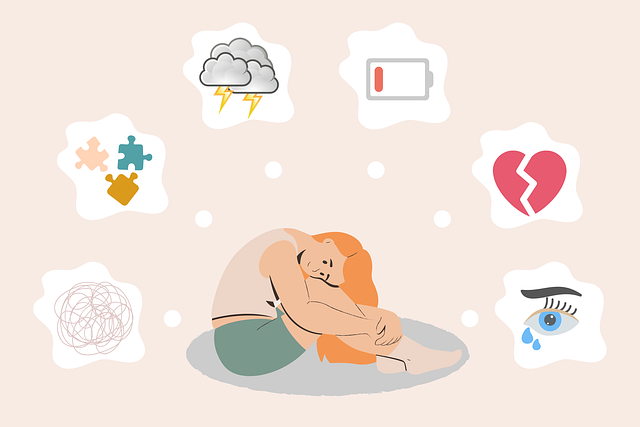
Feeling disconnected from yourself usually refers to a state where your emotions, body, thoughts, or sense of identity feel distant or muted. You may still function normally—working, talking, and going through daily routines—but internally, something feels off.
This disconnection can include experiences such as:
- Emotional numbness
- Feeling detached from your body
- A sense of unreality
- Loss of identity or “self”
- Feeling like life is happening around you, not to you
Psychologically, this falls under a category known as dissociation, which is the mind’s way of creating distance from overwhelming internal or external experiences.
Importantly, dissociation is not a sign of weakness or mental breakdown. It is a protective response.
Why Do I Emotionally Detach Myself?
Emotional detachment is often a survival strategy, not a conscious choice. The brain disconnects emotions when it believes that feeling too much would be unsafe, overwhelming, or unbearable.
Common Reasons Emotional Detachment Develops
1. Chronic Stress or Anxiety
When stress is ongoing, the nervous system becomes overloaded. To cope, the brain may reduce emotional intensity, leading to numbness or detachment.
2. Trauma or Emotional Neglect
If emotions were ignored, punished, or unsafe to express earlier in life, the brain may learn to shut them down entirely as protection.
3. Emotional Overwhelm
When feelings build faster than you can process them, detachment becomes a way to prevent emotional flooding.
4. Fear of Pain or Loss
Detaching emotionally can feel safer than risking disappointment, rejection, or hurt.
Emotional detachment does not mean you don’t care—it means your system learned that caring felt dangerous at some point.
Why Do I Feel Like I Am Losing My Grip on Reality?
This fear is extremely common and deeply distressing. Many people experiencing disconnection worry they are “going crazy” or losing control. In reality, what you’re likely experiencing is derealization or depersonalization, which are anxiety- and stress-related dissociative states.
Derealization
- The world feels unreal, distant, or dreamlike
- Colors may seem flat or overly sharp
- Sounds may feel muted or echoey
Depersonalization
- Feeling detached from your body or thoughts
- Feeling like you’re observing yourself
- Feeling unfamiliar to yourself
These experiences are not psychosis and do not mean you’re losing touch with reality. In fact, people who fear they are losing reality awareness are usually very grounded in reality—they are just experiencing intense nervous system dysregulation.
Anxiety heightens self-monitoring, which makes sensations feel more intense and frightening.
Common Signs You Are Detached From Reality or Yourself
Disconnection can affect multiple areas of experience:
Emotional Signs
- Numbness or emptiness
- Reduced emotional reactions
- Difficulty feeling joy or sadness
Cognitive Signs
- Brain fog
- Difficulty concentrating
- Feeling mentally distant
- Overanalyzing your own awareness
Physical Signs
- Feeling disconnected from your body
- Heaviness or lightness
- Reduced physical sensation
Behavioral Signs
- Living on autopilot
- Difficulty making decisions
- Withdrawing socially
- Feeling like “your old self” is gone
These signs often fluctuate and become stronger when anxiety is high.
How Trauma and Chronic Stress Cause Disconnection
When the nervous system detects danger that feels inescapable, it may shift from fight-or-flight into a freeze or shutdown response.
This response:
- Reduces emotional intensity
- Lowers physical sensation
- Narrows awareness
From the brain’s perspective, detachment equals safety.
This is especially common in:
- Childhood trauma
- Emotional neglect
- Long-term anxiety
- Burnout
Your nervous system learned that disconnection was the best way to survive—not because you were weak, but because you were adaptive.
How to Feel Connected to Reality Again
Reconnection happens gradually, not by force. Trying to “snap out of it” usually increases anxiety and worsens symptoms. Instead, the goal is to teach the nervous system that it is safe to be present again.
1. Grounding Techniques
Grounding brings awareness back into the body and present moment.
- Name 5 things you can see
- Touch something textured
- Listen for background sounds
- Hold something cold or warm
These techniques gently anchor you without overwhelming your system.
2. Body-Based Reconnection
Disconnection often begins in the body, so healing must involve the body too.
Helpful practices include:
- Slow, deep breathing
- Gentle stretching
- Walking while noticing movement
- Placing a hand on your chest or stomach
The goal is felt safety, not intensity.
3. Emotional Reconnection
Start small. You don’t need to feel everything at once.
- Name neutral emotions
- Journal without judgment
- Acknowledge feelings instead of analyzing them
Safety comes before emotional depth.
4. Cognitive Reassurance
Fear feeds disconnection.
Helpful reminders:
- “This is a stress response, not danger.”
- “I am safe even if I feel disconnected.”
- “This will pass.”
Reducing fear reduces symptoms.
How to Stop Detaching From Reality
Stopping detachment does not mean controlling symptoms—it means reducing the conditions that cause them.
Key Strategies
- Lower anxiety rather than monitoring symptoms
- Avoid checking whether you feel “real”
- Reduce caffeine and overstimulation
- Maintain consistent routines
- Get adequate rest
Paradoxically, the less you fight disconnection, the faster it fades.
Difference Between Dissociation, Anxiety, and Depression
These states overlap but are different:
- Anxiety → hyperarousal, fear, tension
- Depression → low energy, hopelessness, numbness
- Dissociation → detachment, unreality, disconnection
Many people experience all three simultaneously, especially during burnout or trauma recovery.
When Disconnection Becomes a Warning Sign
While disconnection itself is not dangerous, professional support may help if:
- Symptoms persist for months
- Daily functioning becomes difficult
- Trauma memories surface
- Anxiety becomes overwhelming
Trauma-informed therapy can help safely reconnect mind and body.
Healing the Root Cause of Disconnection
Long-term healing focuses on:
- Nervous system regulation
- Emotional safety
- Trauma processing
- Self-compassion
Approaches that often help include:
- Somatic therapy
- Trauma-informed CBT
- EMDR
- Mindfulness-based practices
Healing is non-linear, and setbacks do not mean failure.
Conclusion
If you feel disconnected from yourself, it does not mean you are broken, losing your mind, or beyond help. It means your nervous system learned to protect you during times of overwhelm—and it hasn’t yet realized that safety is available now.
Reconnection is possible. With patience, gentle grounding, reduced fear, and compassionate understanding, your sense of self and reality can slowly return. You do not need to force yourself back into feeling—you need to feel safe enough to come back naturally.
You are still here. You are still you. And this state, no matter how frightening, is temporary and reversible.