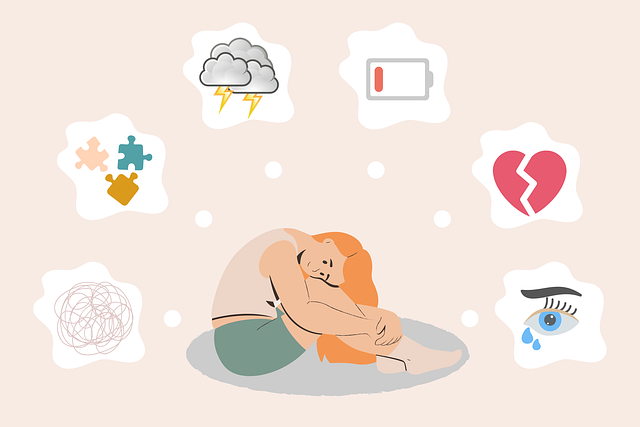
Struggling with anxiety at night can feel incredibly isolating. Your body is tired, your eyes are heavy, the world around you is quiet—yet your mind is wide awake, racing, worrying, replaying, spiraling. Nighttime anxiety is one of the most common issues people face, and it often becomes a vicious cycle: anxiety keeps you awake, and lack of sleep makes your anxiety worse.
Many people describe lying in bed physically exhausted but mentally overstimulated, stuck in a loop of “What if…?” thoughts or unexplained feelings of dread. And even worse, these symptoms tend to intensify the moment the lights go off.
Understanding why anxiety spikes at night, how it affects your body, how to calm the mind, and how to support yourself or someone else experiencing sleep anxiety is crucial for breaking the cycle.
Why Do I Get Anxiety at Night and Can’t Sleep?
Anxiety at night often feels worse than daytime anxiety, and there are several reasons for this. Nighttime is when your brain transitions from active, problem-solving mode to a quieter state. For many people, that silence creates the perfect space for worries to grow louder.
1. You Finally Slow Down—And Your Thoughts Speed Up
During the day, you’re distracted by work, people, and tasks.
At night, you’re alone with your thoughts.

This lack of distractions creates room for:
- Overthinking
- Rumination
- Worse-case scenarios
- Emotional buildup from the day
- Fears you pushed aside earlier
What was ignored suddenly becomes magnified.
2. The Brain Is More Emotionally Sensitive at Night
Your brain cycles naturally throughout the day. As cortisol levels drop at night and melatonin rises, emotional regulation can temporarily decrease, making anxious thoughts feel more intense.
This can cause:
- Heightened emotions
- Increased vulnerability
- Rising physical tension
3. Fear of Not Sleeping Makes Anxiety Worse
Once you begin losing sleep because of anxiety, a new cycle often forms:
You fear not being able to sleep → that fear creates anxiety → that anxiety prevents sleep.
This is known as sleep performance anxiety.
4. Nighttime Is Linked to Survival Wiring
Humans evolved to perceive night as a time of vulnerability.
Today that ancient wiring can appear as:
- Being overly alert
- Not feeling safe
- Hypervigilance
- Startling easily
Your brain may interpret rest as a threat instead of relaxation.
5. Physical Stress Accumulates Through the Day
Tension, irritability, and overstimulation from screens build up. When the body finally stops, these sensations surface, creating the feeling of anxiety.
6. Hormones and Circadian Rhythms Play a Role
Low blood sugar, irregular bedtime, caffeine, or late-night phone use disrupt natural sleep hormone balance.
This can lead to nighttime restlessness, chest tightness, or increased heart rate—all feelings that can mimic anxiety.
7. Unexpressed Emotions Surface at Night
If you spent the day holding things in, your brain releases those emotions when everything becomes quiet.
What Is the 3-3-3 Rule for Anxiety Sleep?
The 3-3-3 rule is a simple grounding technique used to bring the mind back to the present moment during anxiety or panic. It’s often used during nighttime anxiety because it works quickly and requires no equipment.
Here’s how it works:
Step 1: Name 3 Things You Can See
Pick any three objects—your blanket, the ceiling, the lamp, etc.
This shifts your mind away from spiraling thoughts.
Step 2: Identify 3 Sounds You Can Hear
These could be soft sounds like:
- A fan
- AC running
- Distant traffic
- Your own breathing
This helps reconnect your senses to the present.
Step 3: Move 3 Parts of Your Body
Examples:
- Wiggle your toes
- Roll your shoulders
- Stretch your fingers
This releases muscle tension and sends a safety signal to your nervous system.
Why the 3-3-3 Rule Works at Night
The brain cannot focus on anxious thoughts and sensory grounding at the same time.
Using the rule helps:
- Stop racing thoughts
- Calm panic
- Slow your heartbeat
- Reduce physical tension
- Interrupt mental spirals
Many people fall asleep faster after using this technique because the mind finally “unhooks” from anxiety.
How to Calm an Anxious Mind at Night
Calming nighttime anxiety requires a combination of physical, mental, and environmental techniques. Below are the most effective, research-backed strategies.
1. Use a Bedtime “Brain Dump”
Before bed, write down:
- Thoughts
- Worries
- Tasks
- Things bothering you
This frees the mind from carrying mental clutter into sleep.
2. The 4-7-8 Breathing Technique
This method slows the nervous system dramatically.
How to do it:
- Inhale for 4 seconds
- Hold for 7 seconds
- Exhale slowly for 8 seconds
Repeat 4–6 cycles.
This technique reduces heart rate and promotes sleepiness.
3. Practice Progressive Muscle Relaxation (PMR)
Tighten a group of muscles for 5 seconds, then release.
Move from:
- Feet
- Legs
- Abdomen
- Shoulders
- Face
This relaxes physical tension caused by anxiety.
4. Limit Screen Time 1 Hour Before Bed
Blue light from screens suppresses melatonin.
If you must use a screen, turn on:
- Night mode
- Warm light filters
But ideally, switch to a calming activity like reading or stretching.
5. Create a Calming Bedtime Routine
Consistent routines teach your brain when to relax. Examples:
- Warm shower
- Gentle music
- Journaling
- Light stretching
- Aromatherapy
Your nervous system relies on patterns. A peaceful routine signals safety.
6. Avoid Late-Night Stimuli
These can worsen nighttime anxiety:
- Caffeine after 3 PM
- Heavy meals
- Alcohol
- Energy drinks
- Intense workouts late at night
7. Don’t Stay in Bed While Wide Awake
If you can’t sleep after 20–30 minutes:
- Get up
- Do something calm
- Return to bed when sleepy
This trains the brain to associate the bed with sleep—not anxiety.
8. Use a Weighted Blanket
Weighted blankets help regulate overactive nervous systems by providing deep pressure stimulation, which reduces:
- Heart rate
- Restlessness
- Muscle tension
9. Listen to Soothing Sounds
Examples include:
- Brown noise
- Ocean waves
- Rain sounds
- Guided sleep meditations
These create a calming sensory environment for sleep.
10. Reframe Nighttime Thoughts
Your mind often exaggerates dangers at night.
Use phrases like:
- “This feeling is temporary.”
- “My thoughts are not facts.”
- “I can deal with this in the morning.”
This helps reduce catastrophic thinking.
How to Help Someone With Sleep Anxiety
Supporting someone with nighttime anxiety requires patience, empathy, and a calm presence. They may feel ashamed, afraid, or frustrated.
Here’s how to help effectively:
1. Stay Calm Yourself
Your calmness regulates their nervous system through emotional mirroring.
2. Validate Their Feelings
Say things like:
- “I’m here with you.”
- “You’re safe.”
- “It’s okay to feel this.”
Avoid minimizing statements like
“You’re overthinking” or “Just relax.”
3. Guide Their Breathing
Slow breathing reduces panic.
Breathe with them so they can match your rhythm.
4. Help Them Ground Themselves
Use the 3-3-3 rule or ask:
- “What do you see?”
- “What can you hear?”
- “Can you feel your feet on the ground?”
This interrupts fear loops.
5. Encourage a Slow Body Scan
Gently guide them through relaxing their muscles from head to toe.
6. Reduce Sensory Stimulus
If possible:
- Dim the lights
- Turn on a fan or white noise
- Reduce clutter
- Lower the room temperature
A calm environment signals safety.
7. Offer to Sit With Them Until They Calm Down
Sometimes quiet companionship is more effective than advice.
8. Help Them Build Healthy Sleep Habits
During daytime hours, encourage:
- Routine bedtime and wake time
- Less caffeine
- Light exercise
- Talking about triggers
These changes help reduce nighttime anxiety over time.
The Psychology Behind Anxiety at Night
1. Overactive Fight-or-Flight Response
At night, the sympathetic nervous system can mistakenly act as if a threat is present.
2. Emotional Debris Surfacing
The brain processes unaddressed emotions at night.
3. Cognitive Biases Become Stronger
At night, the mind tends to:
- Catastrophize
- Overthink
- Predict danger
- Misinterpret body sensations
Long-Term Strategies to Reduce Nighttime Anxiety
1. Cognitive Behavioral Techniques
Learning to challenge nighttime fears reduces their intensity.
2. Regular Exercise
Improves mood and reduces anxiety hormones.
3. Stable Sleep Schedule
This retrains brain chemistry.
4. Mindfulness Practice
Improves emotional regulation and reduces rumination.
5. Address Underlying Stressors
Sometimes nighttime is the only time your brain feels safe to express suppressed emotions.
Conclusion: You Can Break the Cycle of Nighttime Anxiety
Anxiety at night is not a personal failure—it’s a nervous system that needs support.
With the right strategies, routines, and understanding of your triggers, you can teach your body and mind to feel safe again at night.
Remember:
You are not alone.
You are not broken.
Your mind is not your enemy—it’s trying to protect you, even if it’s doing so in the wrong way.
With consistent calming practices, the right sleep environment, and compassionate self-support, restful sleep is possible again.