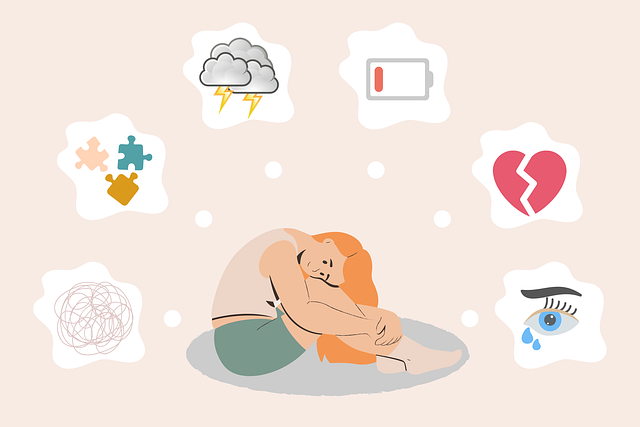
Why am I overwhelmed? If that question keeps looping in your mind, you’re not alone. Overwhelm has become one of the most common emotional states of modern life. It can feel like your thoughts are racing but you’re frozen. Your to-do list grows longer while your energy shrinks. Even small tasks feel enormous.

Overwhelm isn’t weakness. It isn’t laziness. And it isn’t a personal failure. It’s a nervous system response to too much input, too many demands, or too little recovery.
Why Am I Overwhelmed? Understanding the Feeling
Overwhelm happens when perceived demands exceed your perceived capacity to cope.
From a psychological standpoint, overwhelm is a cognitive and physiological state where your brain interprets multiple stressors as exceeding your internal resources. It activates the stress response and narrows your thinking.
A Simple Definition
Overwhelm is a stress response that occurs when a person perceives that the demands placed on them exceed their emotional, cognitive, or physical resources. It often leads to mental fog, irritability, avoidance, and difficulty making decisions.
Overwhelm is not the same as stress or anxiety—though they overlap.
| Overwhelm | Stress | Anxiety |
|---|---|---|
| Too much input at once | Pressure from demands | Fear of future threat |
| Cognitive overload | External pressure | Internal alarm system |
| “I can’t handle this” | “This is a lot” | “Something bad might happen” |
When overwhelmed, your brain essentially says: Too much. Shut down or escape.
Why Do I Get Overwhelmed So Easily?
If you frequently ask, “Why do I get overwhelmed so easily?” there are several psychological and biological factors to consider.
1. Chronic Stress Load
Stress accumulates.
Your brain does not reset daily. If you’ve been operating under prolonged pressure—work deadlines, family conflict, financial strain—your baseline tolerance decreases.
Chronic cortisol elevation reduces emotional regulation capacity, making smaller stressors feel massive.
2. Anxiety Disorders
Generalized anxiety disorder (GAD), social anxiety, and panic disorder can heighten sensitivity to stimuli. The brain’s threat detection system (amygdala) becomes hyperactive.
This makes normal responsibilities feel dangerous or unmanageable.
3. Burnout
Burnout is emotional exhaustion caused by prolonged stress without adequate recovery.
Symptoms include:
- Detachment
- Reduced performance
- Cynicism
- Exhaustion
When burned out, even basic tasks feel overwhelming because your energy reserves are depleted.
4. Perfectionism
Perfectionism increases overwhelm because:
- Standards are unrealistic
- Mistakes feel catastrophic
- You overestimate consequences
- You underestimate your competence
The brain interprets minor errors as major threats.
5. ADHD or Neurodivergence
Executive functioning challenges can make prioritizing and task switching harder. When multiple tasks compete for attention, cognitive overload increases.
This isn’t about intelligence—it’s about how the brain organizes information.
6. Trauma History
Trauma sensitizes the nervous system. A dysregulated system reacts faster and more intensely.
Overwhelm may actually be a trauma-triggered freeze response.
7. Lack of Boundaries
Saying yes too often.
Taking on emotional labor.
Never resting.
Without boundaries, your nervous system never fully resets.
What Are 7 Warning Signs of Stress?
Stress often precedes overwhelm. Recognizing early signs prevents escalation.
1. Irritability
Small inconveniences feel disproportionately upsetting.
2. Sleep Disturbances
Difficulty falling or staying asleep due to racing thoughts.
3. Persistent Fatigue
Even after resting, you feel drained.
4. Headaches or Muscle Tension
Stress manifests physically in the body.
5. Difficulty Concentrating
You re-read the same sentence repeatedly.
6. Emotional Outbursts
Tears, anger, or shutdown appear unexpectedly.
7. Feeling Constantly Behind
No matter how much you do, it feels insufficient.
These warning signs are your nervous system asking for recalibration.
What Happens in Your Brain When You Feel Overwhelmed?
Understanding the neuroscience helps remove shame.
When you feel overwhelmed:
- The amygdala detects threat.
- The hypothalamus activates the stress response.
- Cortisol and adrenaline flood your body.
- The prefrontal cortex (decision-making center) becomes less effective.
This leads to:
- Reduced problem-solving ability
- Impaired memory
- Emotional reactivity
- Avoidance behaviors
Your brain shifts from “thinking mode” to “survival mode.”
Overwhelm is often a fight-flight-freeze response in disguise.
What Is the 3-3-3 Anxiety Rule?
The 3-3-3 anxiety rule is a grounding technique where you name three things you see, three sounds you hear, and move three parts of your body. It helps redirect attention away from anxious thoughts and back to the present moment.
How It Works
- Name 3 things you can see
- Name 3 sounds you can hear
- Move 3 body parts
This activates sensory awareness and shifts activity away from the amygdala toward the prefrontal cortex.
Use it when:
- Your thoughts spiral
- You feel panic rising
- You feel mentally flooded
It’s simple, but neurologically powerful.
How to Reduce Being Overwhelmed
Now let’s focus on solutions grounded in behavioral science.
1. The Brain Dump Method
Write down every task, worry, and obligation.
Research shows that externalizing thoughts reduces cognitive load. Your brain stops trying to hold everything at once.
2. The 1-Thing Rule
Ask: What is the single most important task right now?
Multitasking increases stress hormones. Monotasking improves efficiency and calm.
3. Time Blocking
Assign specific time slots for tasks.
Structure reduces ambiguity, which reduces anxiety.
4. Nervous System Reset Techniques
- Slow breathing (4-6 breaths per minute)
- Progressive muscle relaxation
- Brief cold water exposure
- Short walks outdoors
These regulate the vagus nerve and reduce sympathetic activation.
5. Digital Detox Windows
Constant notifications fragment attention.
Set:
- No-phone mornings
- App limits
- Notification restrictions
Reduced digital input = reduced overwhelm.
6. Boundary Scripts
Examples:
- “I can’t take that on right now.”
- “Let me check my schedule first.”
- “I need more time to think about that.”
Boundaries protect cognitive capacity.
7. Sleep and Recovery
Sleep deprivation increases amygdala reactivity by up to 60%.
Recovery is not laziness—it’s neurological maintenance.
Overwhelm vs Anxiety: What’s the Difference?
Many people confuse the two.
| Overwhelm | Anxiety |
|---|---|
| Triggered by too many demands | Triggered by perceived threat |
| Often situational | Often persistent |
| Improves with task reduction | May persist without clear cause |
| Feels like shutdown | Feels like hyper-alertness |
Both can co-exist.
Why Am I Overwhelmed Even When Nothing Is “Wrong”?
This is a common and confusing experience.
Possible explanations:
Emotional Backlog
Unprocessed emotions accumulate quietly.
Invisible Mental Load
Planning, remembering, anticipating—all invisible work.
High-Functioning Anxiety
Externally successful, internally strained.
Hormonal Shifts
Thyroid imbalance, PMS, perimenopause can increase sensitivity.
Decision Fatigue
Too many micro-decisions drain mental energy.
Nothing has to be “wrong” externally for your system to be overloaded internally.
When Should You Seek Professional Help?
Seek support if you experience:
- Panic attacks
- Persistent insomnia
- Ongoing hopelessness
- Avoidance impacting daily life
- Physical symptoms without medical cause
Licensed therapists trained in cognitive behavioral therapy (CBT) or acceptance and commitment therapy (ACT) are particularly effective for overwhelm-related patterns.
How to Build Long-Term Emotional Resilience
Overwhelm is easier to manage when resilience increases.
Stress Tolerance Training
Gradual exposure to manageable challenges builds confidence.
Cognitive Reframing
Replace catastrophic thinking with balanced alternatives.
Mindfulness
Regular mindfulness reduces amygdala reactivity.
Physical Health
Exercise improves emotional regulation.
Self-Compassion
Research shows self-compassion reduces stress more effectively than self-criticism.
Resilience is trainable.
Final Thoughts: If You Keep Asking “Why Am I Overwhelmed?”
If you constantly wonder, “Why am I overwhelmed?”, consider this:
Overwhelm is a signal—not a character flaw.
It signals:
- Too many demands
- Too little recovery
- Unclear boundaries
- Unprocessed stress
You don’t need a complete life overhaul. Start with one small shift:
- One boundary
- One breathing exercise
- One task at a time
Capacity expands gradually.
And asking the question is already the beginning of awareness.