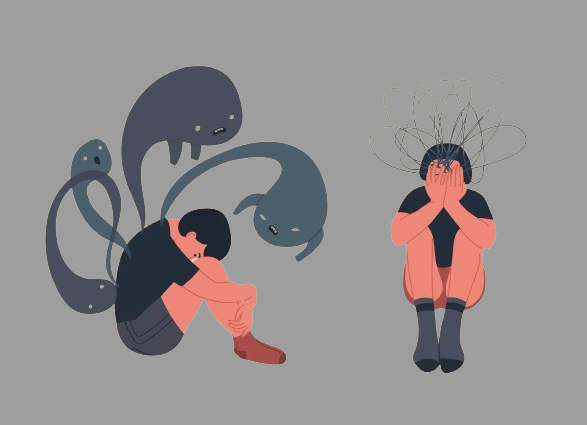
Somatic Symptom Disorder (SSD) represents a significant evolution in how psychiatry conceptualizes the relationship between physical symptoms and psychological distress. Historically labeled as “psychosomatic” or “somatoform disorders,” the DSM-5 reframed this group of conditions to focus less on whether symptoms can be medically explained and more on how individuals experience and interpret them.

According to the Diagnostic and Statistical Manual of Mental Disorders, Fifth Edition (DSM-5), Somatic Symptom Disorder is characterized by one or more somatic (physical) symptoms that are distressing or result in significant disruption of daily life, accompanied by excessive thoughts, feelings, or behaviors related to those symptoms. This redefinition marked an important shift toward acknowledging that psychological suffering can manifest through physical symptoms that are very real to the patient, even when medical findings are inconclusive.
1. What Is a Somatic Symptom Disorder DSM-5?
Definition and Classification
The DSM-5, published by the American Psychiatric Association (APA) in 2013, classifies Somatic Symptom Disorder under the broader category of Somatic Symptom and Related Disorders. The essential feature of SSD is the presence of physical symptoms — such as pain, fatigue, or gastrointestinal issues — that cause significant emotional distress and impairment in daily functioning.
Crucially, the diagnosis does not require that the symptoms be medically unexplained. Instead, emphasis is placed on the individual’s disproportionate and persistent thoughts, fears, and behaviors related to the symptoms. This approach reflects a more holistic view of mental health, recognizing that emotional distress can amplify physical suffering and that mind and body interact continuously.
DSM-5 Diagnostic Criteria
According to the DSM-5, Somatic Symptom Disorder is diagnosed when:
- One or more somatic symptoms are present that are distressing or result in significant disruption of daily life.
- Excessive thoughts, feelings, or behaviors are related to these somatic symptoms or associated health concerns, as evidenced by at least one of the following:
- Disproportionate and persistent thoughts about the seriousness of one’s symptoms.
- Persistently high level of anxiety about health or symptoms.
- Excessive time and energy devoted to these symptoms or health concerns.
- Although any one symptom may not be continuously present, the state of being symptomatic is persistent (typically more than six months).
The disorder can present as mild, moderate, or severe depending on the number and intensity of psychological and behavioral features.
Clinical Relevance
This diagnostic framework removes the outdated mind–body dichotomy and instead highlights the interaction between psychological distress and physical experience. The focus shifts from proving the absence of medical explanation to addressing the individual’s suffering and functional impairment — a more compassionate and clinically useful approach.
2. What Is a Somatic Symptom Disorder?
Understanding the Experience
Somatic Symptom Disorder is not simply “imagining illness.” The physical symptoms are real and tangible, often causing genuine pain or fatigue that cannot be fully explained by medical conditions. Individuals frequently consult multiple physicians, undergo numerous diagnostic tests, and experience frustration when results are inconclusive.
The emotional toll of SSD can be substantial. The individual may feel dismissed, misunderstood, or accused of exaggeration, which exacerbates distress and reinforces the cycle of symptom focus. This pattern contributes to functional impairment, interpersonal conflict, and increased healthcare utilization.
Common Symptoms
While symptoms vary widely, some commonly reported somatic complaints include:
- Chronic pain (e.g., back pain, joint pain, headaches)
- Gastrointestinal distress (nausea, bloating, abdominal pain)
- Fatigue or weakness
- Palpitations or dizziness
- Shortness of breath without clear cardiac or respiratory cause
The symptoms may fluctuate over time, but the preoccupation with them remains persistent. The severity of emotional and behavioral response — rather than the symptom itself — defines the disorder.
Human Perspective
From a humanistic viewpoint, SSD reflects the body’s way of communicating unresolved psychological distress. Individuals may express emotional pain through physical sensations, particularly when direct emotional expression feels threatening or invalidated. Recognizing this connection is essential for both empathy and effective clinical intervention.
3. How Does Somatic Symptom Disorder Differ from Anxiety?
Overlap and Distinctions
At first glance, Somatic Symptom Disorder and anxiety disorders — particularly Generalized Anxiety Disorder (GAD) and Illness Anxiety Disorder (IAD) — appear similar. Both involve excessive worry, hypervigilance to bodily sensations, and difficulty controlling anxious thoughts. However, the core focus differs fundamentally.
- In Somatic Symptom Disorder, the distress centers on actual physical symptoms that are currently experienced.
- In Illness Anxiety Disorder, the primary concern is fear of developing or having a serious illness, often with minimal or no physical symptoms.
- In Generalized Anxiety Disorder, worry is broad and includes multiple domains (e.g., finances, relationships, performance), not just health.
Neuropsychological and Behavioral Differences
SSD is often associated with heightened somatosensory amplification — an increased tendency to notice and misinterpret normal bodily sensations as abnormal or threatening. Anxiety disorders, in contrast, typically involve cognitive overestimation of threat without necessarily misinterpreting physical sensations.
Moreover, individuals with SSD may engage in repeated medical consultations and reassurance-seeking behaviors, while those with generalized anxiety often use cognitive or behavioral avoidance strategies unrelated to physical health.
Clinical Importance of Differentiation
Differentiating SSD from anxiety disorders is essential for treatment planning. Cognitive-behavioral therapy (CBT) for SSD focuses specifically on symptom interpretation, body awareness, and behavioral modification, whereas CBT for anxiety targets cognitive distortions and exposure to worry triggers. Recognizing these nuances ensures accurate diagnosis and tailored care.
4. What Is a Psychosomatic Disorder According to the DSM-5?
Evolution of the Concept
The term psychosomatic disorder historically referred to physical symptoms arising from psychological factors. However, the DSM-5 has largely moved away from this terminology because it implied a strict divide between “psychological” and “physical” causes.
In modern psychiatry, the DSM-5 integrates these dimensions under the category of Somatic Symptom and Related Disorders, which includes:
- Somatic Symptom Disorder
- Illness Anxiety Disorder
- Conversion Disorder (Functional Neurological Symptom Disorder)
- Psychological Factors Affecting Other Medical Conditions
- Factitious Disorder
Thus, “psychosomatic” is better understood as a descriptive term rather than a diagnostic label — emphasizing that mind and body interact continuously in health and illness.
Psychological Mechanisms
The development of SSD often involves:
- Heightened interoceptive awareness: an increased sensitivity to internal bodily sensations.
- Catastrophic interpretation: misattributing benign sensations to serious illness.
- Emotional dysregulation: difficulty identifying and expressing emotions (alexithymia).
- Learned behaviors: reinforced by attention, reassurance, or avoidance of stressors.
This biopsychosocial model underscores that SSD is neither purely physical nor purely psychological but a complex interplay between the two.
5. Causes and Risk Factors of Somatic Symptom Disorder
Biological Factors
Research suggests a genetic predisposition to somatization and anxiety sensitivity. Dysregulation of the hypothalamic–pituitary–adrenal (HPA) axis and altered serotonin function have been observed, linking SSD to stress-related neurobiological pathways.
Psychological Factors
Individuals with a history of trauma, childhood neglect, or chronic stress are at higher risk. Cognitive distortions — such as catastrophizing bodily sensations — and limited emotional awareness can amplify symptoms. Personality traits like neuroticism or high harm avoidance also contribute.
Sociocultural Factors
Cultural beliefs about illness, societal attitudes toward emotional expression, and healthcare accessibility all shape how distress is expressed and interpreted. In some societies, physical symptoms may be more socially acceptable expressions of suffering than emotional complaints, increasing the prevalence of somatization.
6. Treatment and Management of Somatic Symptom Disorder
Psychotherapeutic Interventions
The cornerstone of treatment is psychotherapy, particularly Cognitive-Behavioral Therapy (CBT). CBT helps patients reframe catastrophic interpretations, reduce maladaptive health behaviors, and increase tolerance for bodily sensations.
Other effective therapies include:
- Mindfulness-Based Cognitive Therapy (MBCT): enhances nonjudgmental awareness of bodily sensations.
- Acceptance and Commitment Therapy (ACT): promotes acceptance of symptoms and engagement in valued life activities.
- Psychodynamic Therapy: explores unconscious emotional conflicts that manifest as physical symptoms.
Pharmacological Management
While no medication directly treats SSD, selective serotonin reuptake inhibitors (SSRIs) or serotonin–norepinephrine reuptake inhibitors (SNRIs) may alleviate comorbid anxiety or depressive symptoms. Pharmacotherapy is generally adjunctive to psychotherapy.
Collaborative and Integrative Care
A multidisciplinary approach — involving physicians, psychologists, and psychiatrists — ensures continuity of care. Education of patients about the mind–body relationship reduces stigma and promotes adherence. Empathy and validation are crucial; dismissing the patient’s symptoms as “all in your head” is counterproductive.
Psychoeducation and Family Support
Providing education about SSD empowers both patients and families. Understanding that symptoms are genuine but influenced by psychological factors helps shift the focus from endless medical investigations to functional recovery and emotional regulation.
7. Living with Somatic Symptom Disorder: A Human Perspective
Living with SSD can be profoundly isolating. Individuals often oscillate between fear of serious illness and frustration over not being believed. The ongoing preoccupation with symptoms may lead to occupational impairment, strained relationships, and emotional exhaustion.
However, recovery is achievable. With consistent therapy, support, and education, many individuals learn to reinterpret bodily sensations, manage anxiety, and rebuild a sense of control. Clinicians emphasize that SSD does not imply the symptoms are “imaginary”; rather, it acknowledges that physical distress is real and intertwined with psychological processes.
Cultivating empathy, reducing stigma, and fostering open communication between patients and healthcare providers remain essential to treatment success.
Conclusion
Somatic Symptom Disorder, as defined in the DSM-5, embodies the modern psychiatric understanding of how psychological distress manifests physically. By focusing on the experience of symptoms rather than the absence of medical explanation, DSM-5 promotes a more compassionate, integrative approach to care.
SSD highlights the inseparable connection between mind and body — a reminder that emotional suffering often speaks through physical form. Effective treatment requires collaboration, empathy, and a balance between medical and psychological insight. With the right support, individuals can regain function, reduce distress, and lead meaningful lives beyond the shadow of chronic symptom preoccupation.