Social isolation psychological effects are becoming more common in today’s hyperconnected yet emotionally disconnected world. You can have hundreds of online interactions and still feel profoundly alone. Or you may withdraw slowly over time — answering fewer messages, declining invitations, spending more time by yourself — until isolation becomes your new normal.
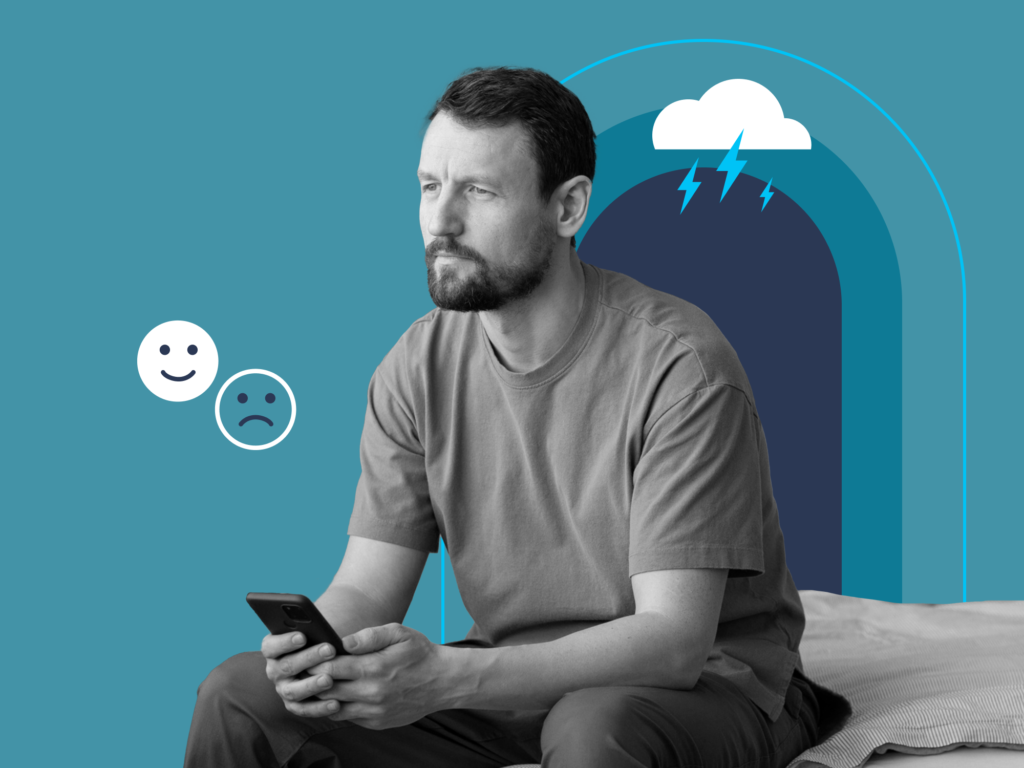
Humans are wired for connection. When meaningful social interaction disappears for too long, your brain and body respond. Sometimes the effects are subtle: low motivation, irritability, or brain fog. Other times they are intense: depression, anxiety, or deep loneliness that feels hard to explain.
What Are the Psychological Effects of Social Isolation?
The social isolation psychological effects can impact your emotions, thinking patterns, behavior, and even how your brain processes connection. Isolation doesn’t just feel lonely — it changes how you experience the world.
Summary
The psychological effects of social isolation can include loneliness, depression, anxiety, negative thinking patterns, reduced social confidence, and emotional numbness. Long-term isolation may alter stress hormones, increase sensitivity to rejection, and reduce overall well-being.
Emotional Effects
Isolation often begins as quiet alone time — but over time, it may trigger deeper emotional changes.
1. Persistent Loneliness
Loneliness isn’t simply being alone. It’s the distress that comes from feeling disconnected. Even if you prefer solitude, prolonged lack of meaningful interaction can create a subtle emotional ache.
2. Sadness and Low Mood
Research suggests that social connection plays a role in regulating mood. Without it, emotional resilience decreases, making sadness more likely to linger.
3. Irritability
When social needs aren’t met, frustration can build. Small inconveniences feel larger. Patience becomes thinner.
4. Emotional Numbness
Some people stop feeling intensely at all. Chronic isolation can blunt emotional responsiveness as a protective mechanism.
Cognitive Effects
Isolation doesn’t only affect emotions — it influences how you think.
1. Negative Thinking Patterns
Without social feedback, your inner dialogue can become harsher. You may overanalyze conversations or assume rejection more quickly.
2. Rumination
With fewer distractions and fewer shared experiences, thoughts may loop repeatedly. You replay interactions. You question your worth.
3. Brain Fog
Chronic loneliness has been linked to decreased concentration and mental clarity.
4. Increased Social Anxiety
Ironically, the longer you isolate, the harder social situations can feel. Skills feel rusty. Confidence declines.
Behavioral Effects
Isolation changes habits.
- Avoiding phone calls
- Canceling plans
- Spending more time online passively
- Withdrawing from hobbies
- Sleeping more or less than usual
Over time, avoidance reinforces itself. The less you engage, the more intimidating engagement feels.
What Happens If You Isolate Yourself for Too Long?
If isolation continues long-term, psychological and physical risks increase.
Increased Risk of Depression
Studies indicate that prolonged loneliness is strongly associated with depressive symptoms. Without connection, motivation declines and negative self-perception can grow.
Anxiety Disorders
Isolation may heighten the brain’s threat response. The amygdala becomes more sensitive, increasing stress reactivity.
Cognitive Decline
Social interaction stimulates cognitive processes like memory, attention, and emotional regulation. Long-term withdrawal may reduce this stimulation.
Lower Self-Esteem
Without positive social reinforcement, self-doubt increases. You may begin believing you’re unwanted or incapable socially.
Heightened Mistrust
Chronic isolation can make social cues harder to interpret, increasing suspicion or defensiveness.
Physical Health Effects
Research links prolonged loneliness to:
- Increased stress hormones
- Higher blood pressure
- Weakened immune response
Isolation affects both mind and body.
The Difference Between Solitude and Social Isolation
Not all alone time is harmful.
Healthy solitude can:
- Restore energy
- Increase creativity
- Strengthen self-awareness
Harmful isolation typically involves distress.
Comparison Table
| Healthy Solitude | Harmful Social Isolation |
|---|---|
| Chosen willingly | Often unwanted |
| Restorative | Draining |
| Temporary | Prolonged |
| Does not cause distress | Causes loneliness or sadness |
| Balanced with connection | Lacks meaningful interaction |
The key difference is emotional impact.
What Are the Psychological Effects of Ignoring People?
Ignoring others — or being ignored — carries psychological consequences on both sides.
If You Ignore Others
Consistent avoidance can lead to:
- Emotional detachment
- Avoidance habits
- Increased guilt
- Relationship breakdown
Over time, this reinforces isolation.
If Others Ignore You
Being ignored activates the same neural regions associated with physical pain. Social rejection feels real because your brain processes it as a threat to survival.
Psychological effects may include:
- Rejection sensitivity
- Self-doubt
- Heightened anxiety
- Withdrawal
Humans evolved in groups. Being excluded historically meant danger.
Why Social Isolation Affects the Brain
The brain is social by design.
Stress Response Activation
Isolation increases cortisol, the stress hormone. Chronic elevation can impair sleep, mood, and focus.
Dopamine Reduction
Social interaction releases dopamine — associated with pleasure and reward. Reduced connection lowers this stimulation.
Oxytocin Decrease
Oxytocin supports bonding and trust. Limited interaction reduces opportunities for its release.
Heightened Threat Sensitivity
Lonely individuals often show increased vigilance toward social threats, interpreting neutral cues as negative.
Chronic Loneliness vs. Temporary Isolation
Temporary isolation (moving cities, starting a new job, recovering from illness) may feel uncomfortable but usually resolves.
Chronic loneliness is different.
It involves:
- Ongoing perception of disconnection
- Persistent distress
- Reduced sense of belonging
Importantly, loneliness is subjective. You can have many contacts and still feel alone.
Signs You May Be Experiencing Social Isolation Psychological Effects
Here are 18 signs to watch for:
- Avoiding calls or messages
- Feeling drained after short interactions
- Increased overthinking
- Trouble making eye contact
- Fear of being judged
- Loss of interest in group activities
- Spending excessive time scrolling
- Difficulty trusting others
- Irritability
- Feeling invisible
- Emotional numbness
- Sleep disruption
- Low motivation
- Frequent sadness
- Reduced empathy
- Talking less overall
- Avoiding conflict entirely
- Preferring isolation even when lonely
If multiple signs resonate persistently, it may be time to gently re-engage.
How Do You Recover from Social Isolation?
Recovery is possible. It requires gradual, sustainable steps.
Start Small and Gradual
You don’t need to attend a large event immediately.
Start with:
- Sending one message
- Making a short phone call
- Meeting one trusted person
- Joining a small group
Micro-steps rebuild confidence.
Rebuild Social Confidence
Practice matters.
- Join structured activities (classes, volunteer groups)
- Engage in shared-interest communities
- Set realistic social goals
Exposure reduces anxiety over time.
Address Underlying Mental Health Issues
Isolation often overlaps with:
- Depression
- Social anxiety
- Trauma
- Burnout
Therapy can help identify and treat root causes.
Build Meaningful Connection
Quality matters more than quantity.
Focus on:
- Shared experiences
- Active listening
- Emotional openness
- Mutual vulnerability
Connection grows through depth, not just frequency.
Create Digital Boundaries
Passive scrolling increases loneliness.
Instead:
- Use technology intentionally
- Schedule real conversations
- Limit comparison-based platforms
Improve Daily Regulation
- Maintain sleep routines
- Exercise regularly
- Eat balanced meals
- Spend time outdoors
Physical stability supports emotional resilience.
When to Seek Professional Help
Seek support if you experience:
- Persistent depression
- Suicidal thoughts
- Panic in social settings
- Severe withdrawal
- Loss of functioning
Mental health professionals can help create safe re-entry plans.
Final Thoughts on Social Isolation Psychological Effects
Social isolation psychological effects are powerful because humans are biologically designed for connection. When connection fades, your mind and body respond — not because you are weak, but because you are wired for belonging.
Isolation can alter mood, thinking, and behavior. It can shrink your world quietly over time.
But recovery is absolutely possible.
Connection can be rebuilt. Confidence can return. Social skills can be strengthened again.
You don’t need to transform overnight.
Sometimes recovery begins with one small step:
Replying to a message.
Saying yes once.
Stepping outside.
Belonging is not lost forever — it can be rediscovered.