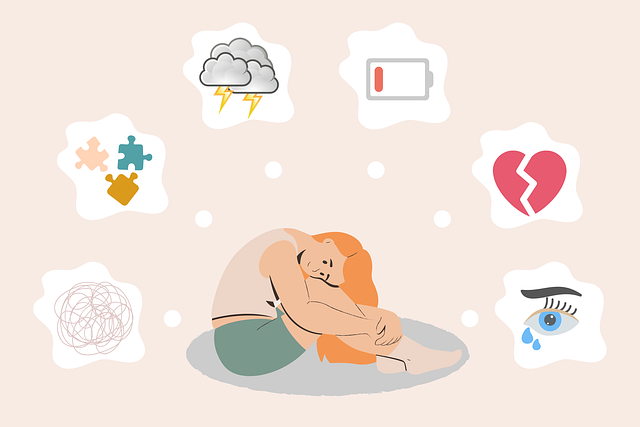
Sleep hygiene refers to the habits, routines, and environmental factors that help people achieve consistent, high-quality sleep. In today’s fast-paced world, many people struggle with poor sleep due to stress, late-night screen use, irregular schedules, and unhealthy lifestyle habits. These issues can significantly affect both mental and physical health.
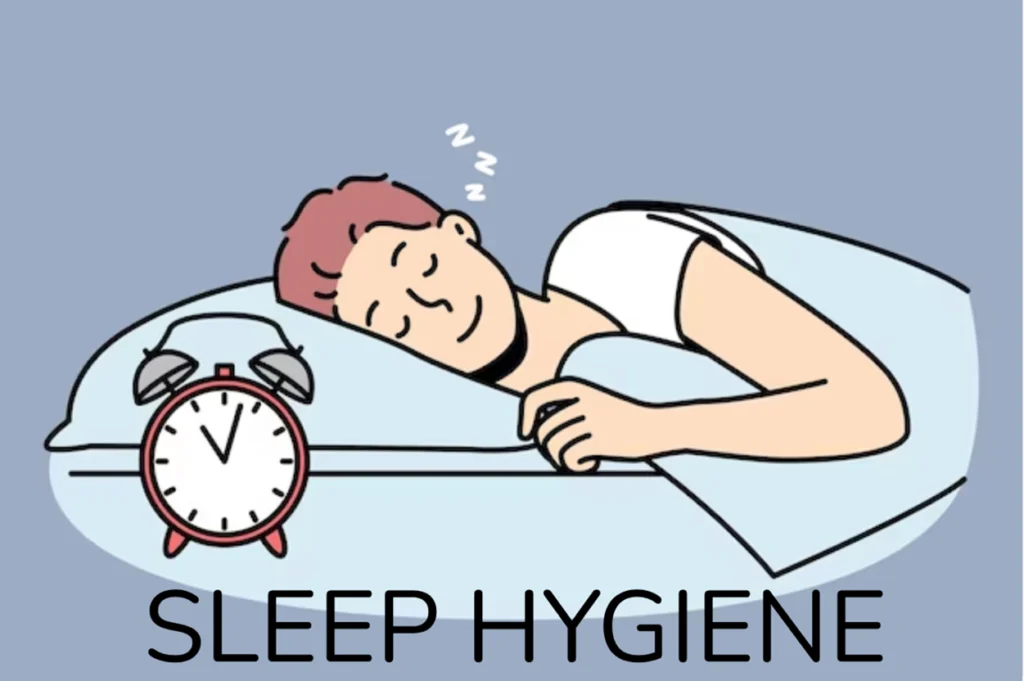
Healthy sleep is not only about the number of hours you sleep but also about the quality and consistency of your sleep routine. Practicing good sleep hygiene helps regulate your body’s internal clock, improves mood, strengthens the immune system, and enhances daily productivity.
Research shows that poor sleep habits are linked to problems such as anxiety, depression, reduced concentration, weakened immunity, and increased risk of chronic diseases. On the other hand, maintaining healthy sleep practices can improve emotional stability, cognitive performance, and overall well-being.
Understanding the importance of sleep hygiene and learning how to improve your sleep habits can transform your mental clarity, physical health, and daily energy levels. In this guide, we will explore what sleep hygiene is, how it affects mental and physical health, the benefits of good sleep habits, and practical strategies to improve sleep quality.
What Is Sleep Hygiene?
Sleep hygiene refers to a set of healthy habits and environmental practices designed to promote consistent, restful sleep. The concept comes from sleep science and focuses on creating conditions that allow the body and mind to rest effectively each night.
Good sleep hygiene includes behaviors such as maintaining a regular sleep schedule, limiting stimulants before bedtime, and creating a comfortable sleep environment.
Key Components of Sleep Hygiene
Some of the most important aspects of good sleep hygiene include:
- maintaining a consistent bedtime and wake-up time
- keeping the bedroom quiet, dark, and comfortable
- limiting caffeine and heavy meals before bed
- reducing screen exposure at night
- practicing relaxation techniques before sleep
These habits help regulate the body’s circadian rhythm, which is the internal clock that controls when we feel awake and when we feel sleepy.
When sleep hygiene practices are consistent, the body naturally learns when to prepare for rest and when to wake up, making sleep easier and more restorative.
Why Sleep Hygiene Is Important for Mental Health
Sleep plays a critical role in maintaining emotional balance and mental clarity. When sleep habits are poor, mental health can suffer significantly.
Mood Regulation
Sleep helps regulate brain chemicals responsible for mood stability. When people experience poor sleep hygiene, they may feel irritable, anxious, or emotionally overwhelmed.
Reduced Anxiety and Stress
Quality sleep helps the brain process emotional experiences and stress. Individuals who maintain good sleep hygiene often find it easier to manage daily challenges.
Cognitive Function
Sleep supports essential brain functions such as:
- memory consolidation
- problem-solving ability
- concentration
- decision-making
When sleep quality decreases, these cognitive processes can become impaired.
Prevention of Mental Health Disorders
Chronic sleep deprivation has been linked to several mental health conditions, including:
- anxiety disorders
- depression
- mood instability
Maintaining healthy sleep routines can significantly reduce the risk of developing these problems.
How Sleep Hygiene Affects Physical Health
Sleep is equally important for the body’s physical health. During sleep, the body repairs tissues, regulates hormones, and strengthens the immune system.
Immune System Support
Quality sleep helps the body produce infection-fighting cells that protect against illness.
Heart Health
Poor sleep hygiene has been associated with increased risk of:
- high blood pressure
- heart disease
- stroke
Consistent sleep helps maintain healthy blood pressure and cardiovascular function.
Hormone Regulation
Sleep regulates hormones responsible for:
- appetite
- metabolism
- stress response
Poor sleep habits can disrupt these hormones, leading to weight gain and fatigue.
Energy and Physical Performance
People who maintain proper sleep hygiene often experience higher energy levels, improved physical endurance, and faster recovery from physical activity.
What Are the 5 Principles of Sleep Hygiene?
Sleep experts often highlight five fundamental principles that help maintain healthy sleep habits.
1. Maintain a Consistent Sleep Schedule
Going to bed and waking up at the same time each day helps regulate the body’s internal clock.
Even on weekends, maintaining a consistent schedule improves sleep quality.
2. Create a Relaxing Bedtime Routine
Relaxing activities before bed help signal the brain that it is time to sleep.
Examples include:
- reading a book
- gentle stretching
- meditation
- listening to calming music
3. Optimize the Sleep Environment
A comfortable bedroom environment can significantly improve sleep quality.
Important factors include:
- cool room temperature
- minimal noise
- comfortable mattress and pillows
- dark lighting conditions
4. Limit Stimulants Before Bed
Caffeine, nicotine, and energy drinks can interfere with sleep.
Experts recommend avoiding stimulants several hours before bedtime.
5. Reduce Screen Exposure at Night
Electronic devices emit blue light, which suppresses melatonin production.
Melatonin is the hormone responsible for regulating sleep cycles.
Reducing screen time helps maintain healthy sleep hygiene.
What Is the 10-3-2-1-0 Rule for Sleep?
The 10-3-2-1-0 rule is a simple framework designed to help people improve their bedtime routine.
10 Hours Before Bed: No Caffeine
Avoid coffee, tea, or energy drinks to prevent sleep disruption.
3 Hours Before Bed: No Heavy Meals or Alcohol
Large meals and alcohol can interfere with digestion and sleep quality.
2 Hours Before Bed: Stop Working
Mental stimulation from work tasks can make it difficult to relax.
1 Hour Before Bed: No Screens
Avoid smartphones, tablets, and computers to reduce blue light exposure.
0: No Snooze Button
Waking up immediately helps maintain a consistent sleep schedule.
Following this routine can significantly improve sleep hygiene and overall sleep quality.
What Are Signs of Poor Sleep Hygiene?
Poor sleep hygiene often shows up through noticeable physical and mental symptoms.
Common Signs
Some of the most common indicators include:
- difficulty falling asleep
- frequent waking during the night
- daytime fatigue
- irritability or mood swings
- trouble concentrating
- headaches or brain fog
- low productivity
Behavioral Indicators
People with poor sleep hygiene may also experience:
- irregular sleep schedules
- excessive late-night screen use
- dependence on caffeine
- sleeping in uncomfortable environments
Recognizing these signs is the first step toward improving sleep habits.
Common Causes of Poor Sleep Hygiene
Several modern lifestyle habits contribute to poor sleep routines.
Excessive Screen Time
Digital devices expose the brain to bright light and stimulating content late at night.
Irregular Sleep Schedules
Changing sleep times frequently disrupts the circadian rhythm.
Stress and Anxiety
Mental stress makes it difficult for the brain to relax before sleep.
Caffeine Consumption
Drinking caffeine too late in the day can delay sleep onset.
Lack of Physical Activity
Regular exercise helps regulate sleep cycles.
Without it, sleep quality may decline.
Benefits of Good Sleep Hygiene
Maintaining proper sleep hygiene provides numerous mental and physical benefits.
Mental Health Benefits
- improved mood stability
- reduced anxiety
- better stress management
- improved focus and creativity
Physical Health Benefits
- stronger immune system
- improved heart health
- balanced hormones
- healthier metabolism
Lifestyle Benefits
- increased productivity
- improved energy levels
- better decision-making ability
These advantages highlight the importance of maintaining healthy sleep habits.
How to Improve Sleep Hygiene
Improving sleep hygiene does not require drastic changes. Small adjustments can significantly improve sleep quality.
Maintain a Regular Sleep Routine
Go to bed and wake up at the same time every day.
Create a Comfortable Sleep Environment
Ensure the bedroom is dark, cool, and quiet.
Exercise Regularly
Physical activity improves sleep quality and helps regulate the circadian rhythm.
Avoid Late-Night Stimulation
Limit caffeine, heavy meals, and stimulating activities before bedtime.
Practice Relaxation Techniques
Meditation, deep breathing, and gentle stretching can help prepare the body for sleep.
Consistent application of these habits can dramatically improve sleep hygiene.
Sleep Hygiene Tips for Modern Lifestyles
Modern lifestyles often make sleep challenging. However, practical strategies can help maintain healthy routines.
For Busy Professionals
- schedule consistent sleep times
- avoid late-night work sessions
- practice stress management techniques
For Students
- avoid studying in bed
- limit caffeine intake
- maintain a structured study schedule
For Digital Users
- use blue-light filters
- set screen-free bedtime routines
- avoid social media before sleep
These approaches make it easier to protect sleep quality in a technology-driven world.
Long-Term Health Benefits of Healthy Sleep Habits
Consistently practicing good sleep hygiene offers long-term health benefits.
Improved Brain Health
Sleep supports memory formation and cognitive development.
Better Emotional Resilience
People who sleep well are better equipped to handle stress and emotional challenges.
Increased Longevity
Healthy sleep patterns are associated with longer life expectancy.
Enhanced Quality of Life
Regular restful sleep improves energy, mood, and productivity.
Conclusion
Sleep hygiene is one of the most important yet often overlooked factors influencing overall health. By developing consistent sleep routines and creating a sleep-friendly environment, individuals can significantly improve both mental and physical well-being.
Healthy sleep habits support emotional stability, cognitive performance, immune function, and long-term health. In contrast, poor sleep hygiene can lead to fatigue, reduced productivity, and increased risk of chronic diseases.
Fortunately, improving sleep hygiene does not require complicated changes. Simple actions such as maintaining a regular sleep schedule, limiting screen exposure before bed, and creating a relaxing bedtime routine can make a significant difference.
By prioritizing sleep hygiene, individuals can improve sleep quality, enhance daily energy levels, and enjoy better overall health.