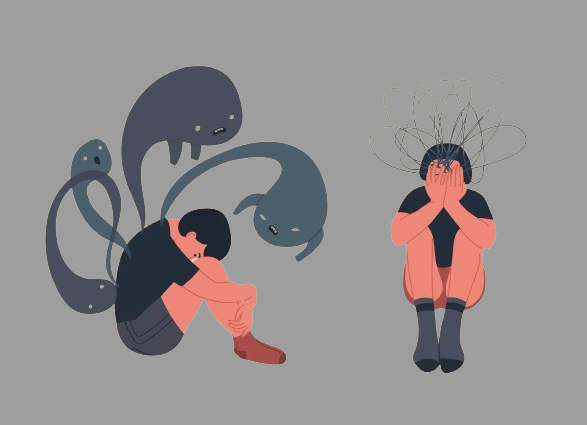
Many people live for years carrying the effects of trauma without realizing it. Trauma does not always come from extreme or dramatic events. It can develop from emotional neglect, chronic stress, childhood instability, relationship wounds, or repeated experiences of feeling unsafe, unseen, or overwhelmed.

Because trauma often becomes a normal state, people may dismiss their symptoms as personality traits, weakness, or “just anxiety.” They may function on the outside while feeling disconnected, exhausted, emotionally numb, or constantly on edge inside.
What Is Trauma?
Trauma is not defined by the event itself, but by how the nervous system experiences and processes it. Trauma occurs when something overwhelms your ability to cope and leaves you feeling unsafe, helpless, or powerless.
Types of trauma
- Acute trauma: A single overwhelming event
- Chronic trauma: Repeated exposure to distress over time
- Developmental trauma: Ongoing emotional neglect or instability in childhood
- Relational trauma: Betrayal, abandonment, or emotional harm in relationships
Trauma changes how the brain and nervous system function. Even long after the event has passed, the body may continue to react as if danger is still present.
Common Signs You Need Trauma Therapy
Trauma often hides in everyday struggles. You may not consciously think about the past, yet your body and emotions continue to respond to it.
Emotional signs
- Feeling emotionally numb or disconnected
- Intense emotional reactions that feel out of proportion
- Chronic anxiety or fear without a clear cause
- Sudden mood shifts
- Persistent sadness or emptiness
Behavioral signs
- Avoiding certain people, places, or emotions
- People-pleasing or fear of conflict
- Difficulty setting boundaries
- Self-sabotaging patterns
- Overworking or constant busyness
Mental signs
- Racing or intrusive thoughts
- Difficulty concentrating
- Negative self-talk or shame
- Feeling “broken” or defective
If these patterns feel familiar and long-lasting, trauma therapy may be beneficial.
What Are the Symptoms of Emotional Trauma?
Emotional trauma affects multiple areas of life, often simultaneously.
Emotional symptoms
- Emotional numbness
- Irritability or anger
- Fear of closeness
- Persistent guilt or shame
- Feeling unsafe even in calm situations
Physical symptoms
- Chronic fatigue
- Muscle tension
- Digestive issues
- Headaches
- Sleep disturbances
Cognitive symptoms
- Difficulty making decisions
- Memory problems
- Hypervigilance
- Constant anticipation of danger
Relationship symptoms
- Fear of abandonment
- Avoidance of intimacy
- Difficulty trusting others
- Strong reactions to rejection
These symptoms are not personal flaws—they are adaptive responses to overwhelming experiences.
How Trauma Shows Up in the Body
Trauma is stored not only in memory, but in the nervous system. When trauma is unresolved, the body may remain stuck in survival mode.
Common trauma responses
- Fight: Anger, irritability, defensiveness
- Flight: Anxiety, restlessness, overthinking
- Freeze: Numbness, shutdown, dissociation
- Fawn: People-pleasing, self-abandonment
Your body may react before your mind understands why. Trauma therapy helps the nervous system learn that it is safe again.
How to Release Trauma Trapped in the Body?
Releasing trauma from the body requires safety, patience, and awareness.
Helpful self-regulation practices
- Gentle body awareness
- Slow, intentional breathing
- Grounding through the senses
- Stretching or mindful movement
- Emotional expression through writing or art
While these practices can support healing, deeply stored trauma often requires professional guidance. Trauma therapy helps ensure that emotional release happens safely and without overwhelm.
How Long Does Trauma Take to Heal?
Trauma healing is not linear and does not follow a fixed timeline.
Factors that affect healing
- Type and duration of trauma
- Age at which trauma occurred
- Level of support
- Nervous system sensitivity
- Current stress levels
Healing may involve periods of progress, plateaus, and setbacks. Trauma therapy focuses on capacity, not speed. True healing happens when the body feels safe enough to let go of survival patterns.
How Trauma Affects Relationships and Self-Identity
Trauma often reshapes how a person sees themselves and others.
Effects on relationships
- Fear of closeness
- Emotional withdrawal
- Strong reactions to conflict
- Difficulty asking for support
Effects on self-identity
- Chronic self-doubt
- Feeling unworthy of care
- Loss of identity or direction
- Living in survival mode
Trauma therapy helps rebuild a secure connection with both self and others.
How to Heal from Trauma Without Therapy?
Some people begin healing outside of therapy, especially when symptoms are mild.
Supportive self-healing approaches
- Establishing routine and predictability
- Journaling emotional experiences
- Practicing grounding techniques
- Building supportive relationships
- Developing self-compassion
However, self-help has limits. If symptoms persist, intensify, or interfere with daily life, professional trauma therapy is strongly recommended.
When Trauma Therapy Is Strongly Recommended
Trauma therapy is especially important if you experience:
- Flashbacks or intrusive memories
- Dissociation or emotional shutdown
- Panic attacks
- Difficulty functioning daily
- Chronic emotional distress
These signs indicate that the nervous system needs structured, compassionate support.
What Happens in Trauma Therapy?
Trauma therapy prioritizes safety and pacing.
What you can expect
- Building trust and emotional safety
- Learning regulation skills
- Processing emotions gradually
- Understanding trauma responses
- Reconnecting with your body
You are never forced to relive trauma. Healing unfolds at your pace.
Myths and Misconceptions About Trauma Therapy
“My trauma isn’t bad enough”
If it affects your life, it matters.
“Talking about trauma makes it worse”
Proper trauma therapy prevents overwhelm and promotes safety.
“Time alone heals trauma”
Time can reduce pain, but unresolved trauma often remains stored in the nervous system.
Frequently Asked Questions (FAQs)
How do I know if I need trauma therapy?
If emotional or physical symptoms persist, interfere with life, or feel overwhelming, trauma therapy may help.
Can trauma symptoms appear years later?
Yes. Trauma symptoms often emerge when the nervous system finally has space to process unresolved experiences.
Is trauma therapy emotionally overwhelming?
No. Trauma-informed therapy is paced carefully to avoid emotional flooding.
Can trauma heal on its own?
Some healing can happen naturally, but deeper trauma often requires professional support.
What kind of therapist treats trauma?
Licensed, trauma-informed therapists trained in trauma-specific approaches.
Conclusion
Trauma does not mean you are broken. It means your nervous system adapted to survive something overwhelming. The signs that point toward trauma therapy are not weaknesses—they are messages from your body asking for safety, understanding, and care.
Healing is possible. With the right support, the nervous system can learn that the danger has passed, and life can feel grounded, connected, and meaningful again.
Seeking trauma therapy is not giving up—it is choosing yourself.