Sadness vs depression is a topic that many people struggle to understand, especially because both involve feelings of low mood, emotional pain, and distress. At first glance, sadness and depression may seem similar, but they are fundamentally different in terms of intensity, duration, and impact on daily life.
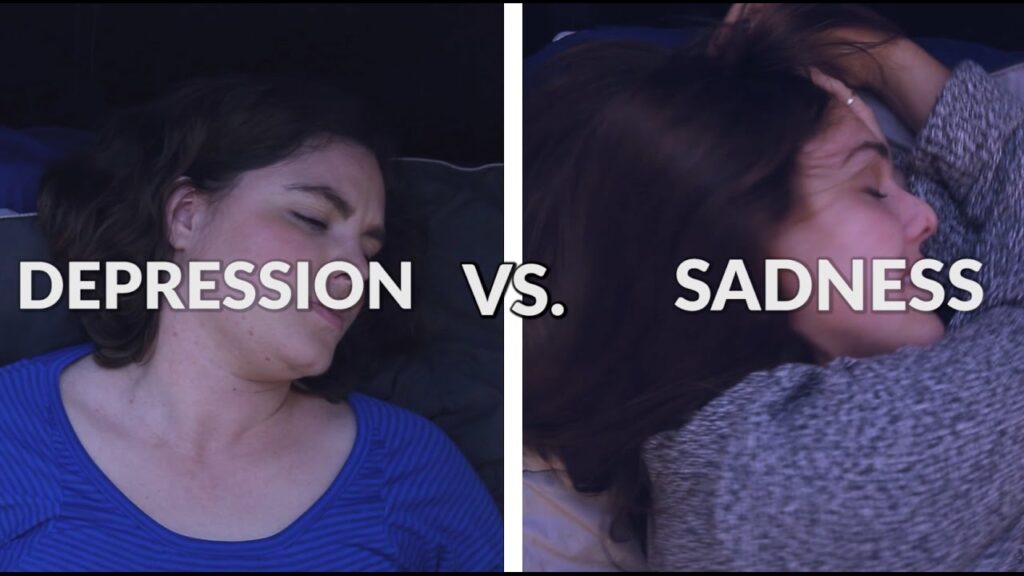
Sadness is a natural human emotion. It is a normal response to life events such as loss, disappointment, or failure. Everyone experiences sadness at different points in life, and in most cases, it fades with time, support, or changes in circumstances. Depression, on the other hand, is a serious mental health condition that goes beyond temporary emotional responses. It affects how a person thinks, feels, and behaves, often interfering with daily functioning.
Understanding the difference between emotional sadness vs mental illness is crucial. Many individuals ignore early warning signs of depression because they assume it is just sadness. This can delay treatment and worsen symptoms over time. Conversely, labeling normal sadness as depression can lead to unnecessary worry.
In this article, we will explore the difference between sadness and depression, their symptoms, causes, duration, and treatment options. By the end, you will have a clear understanding of how to identify each and when to seek help.
What is Sadness?
Sadness is a basic human emotion that everyone experiences. It is a natural reaction to situations that involve loss, disappointment, rejection, or emotional pain. Unlike depression, sadness is usually tied to a specific cause and tends to decrease over time as circumstances improve or as the individual processes the experience.
For example, feeling sad after losing a loved one, ending a relationship, or failing an important exam is completely normal. This type of emotional response is part of being human and can even be beneficial. Sadness allows individuals to reflect, process emotions, and eventually grow from difficult experiences.
One of the defining characteristics of sadness is that it is temporary. While it may feel intense in the moment, it does not usually last for extended periods without relief. People experiencing sadness can still find moments of happiness, maintain hope, and continue functioning in their daily lives.
Another important aspect of sadness is that it does not significantly impair a person’s ability to perform daily tasks. While motivation may be slightly reduced, individuals can still work, socialize, and take care of themselves.
Temporary sadness also tends to improve with:
- Social support
- Time
- Positive experiences
- Problem-solving
In summary, sadness is a healthy emotional response that plays an important role in emotional regulation. It becomes a concern only when it persists, intensifies, or begins to interfere with daily life—at which point it may indicate something more serious, such as depression.
What is Depression?
Depression, also known as clinical depression or major depressive disorder, is a serious mental health condition that affects a person’s mood, thoughts, and behavior over an extended period. Unlike sadness, depression is not always linked to a specific event and does not simply go away with time or positive experiences.
Depression involves persistent feelings of hopelessness, emptiness, and loss of interest in activities that were once enjoyable. It can affect how a person eats, sleeps, thinks, and interacts with others. In many cases, individuals with depression struggle to function in their daily lives.
One of the key differences in sadness vs clinical depression is the duration and severity. Depression typically lasts for at least two weeks or longer and can continue for months or even years if left untreated. It is not just “feeling down”—it is a complex condition involving both psychological and biological factors.
Common symptoms of depression include:
- Persistent low mood
- Loss of interest in activities
- Fatigue and low energy
- Changes in appetite or sleep
- Difficulty concentrating
- Feelings of worthlessness or guilt
Depression can also have physical effects, such as headaches, body pain, or digestive issues.
Importantly, depression often requires professional treatment. Unlike sadness, it may not improve on its own and can worsen without intervention. Therapy, medication, and lifestyle changes are commonly used to manage depression effectively.
Sadness vs Depression: Key Differences
Understanding sadness vs depression requires looking at several important distinctions. While both involve negative emotions, they differ significantly in how they affect a person’s life.
1. Duration
- Sadness is temporary and fades with time
- Depression is persistent and long-lasting
2. Cause
- Sadness is usually linked to a specific event
- Depression may occur without a clear reason
3. Intensity
- Sadness varies and can improve with positive experiences
- Depression is more intense and constant
4. Functioning
- Sadness allows normal functioning
- Depression interferes with daily life
5. Emotional Experience
- Sadness still allows moments of happiness
- Depression often involves emotional numbness
Another key difference is that sadness is a natural emotional response, while depression is a mental health condition that may require treatment. Understanding these differences helps individuals recognize when they need support and when their feelings are part of normal emotional experiences.
Symptoms of Sadness vs Depression
The symptoms of sadness and depression can overlap, but their severity and impact differ greatly.
Symptoms of Sadness
- Feeling low or upset
- Crying occasionally
- Temporary loss of motivation
- Emotional sensitivity
Symptoms of Depression
- Persistent sadness or emptiness
- Loss of interest in activities
- Fatigue and low energy
- Sleep disturbances
- Difficulty concentrating
- Feelings of worthlessness
In sadness vs depression, the key difference lies in persistence and intensity. Depression symptoms are more severe and long-lasting, often affecting multiple areas of life.
When Does Sadness Become Depression?
Sadness becomes depression when it:
- Lasts longer than two weeks
- Intensifies over time
- Interferes with daily functioning
Other warning signs include:
- Loss of interest in everything
- Constant fatigue
- Negative thoughts about self
Recognizing these signs early can help prevent worsening symptoms and allow timely intervention.
Conclusion
Understanding sadness vs depression is essential for mental health awareness. While sadness is a normal part of life, depression is a serious condition that requires attention and care.
Sadness is temporary
Depression is persistent
Help is available
If you’re unsure whether you’re experiencing sadness or depression, seeking professional support can help you gain clarity and begin your journey toward healing.