| QUICK ANSWER
The PTSD awareness ribbon is teal. It represents Post-Traumatic Stress Disorder survivors, symbolizes healing and open conversation about trauma, and is worn throughout June, National PTSD Awareness Month, with June 27 marked as National PTSD Awareness Day. Wearing teal signals solidarity with the millions living with trauma-related stress. |
Every June, a small piece of teal fabric does something most public health campaigns cannot: it turns an invisible condition into something visible, pinned to a jacket, tied to a porch railing, or set as a profile-picture frame. For the millions of adults who live with Post-Traumatic Stress Disorder, that visibility matters. This guide breaks down exactly what the PTSD ribbon color means, why teal was chosen over any other shade, how it fits into the wider landscape of mental health advocacy, and what genuinely helpful support looks like, for one day, one month, and every ordinary day in between.
Understanding PTSD: A Brief Clinical Overview
Post-Traumatic Stress Disorder is a recognized psychiatric condition that can develop after a person experiences or witnesses a traumatic event. In the DSM-5, the American Psychiatric Association moved PTSD out of the anxiety disorders category and into its own group, Trauma- and Stressor-Related Disorders, a reclassification that reflects how central the traumatic event itself is to diagnosis, not just the anxiety that follows it. For a deeper look at how clinicians formally classify PTSD, the distinction matters for treatment planning, insurance coding, and disability claims alike.
Roughly 6 out of every 100 U.S. adults will be diagnosed with PTSD at some point in their lives, and an estimated 13 million Americans live with it in any given year, according to figures compiled by the National Center for PTSD. Trauma doesn’t discriminate by circumstance: combat exposure, sexual assault, a car accident, a natural disaster, a medical emergency, or witnessing violence can all trigger it.
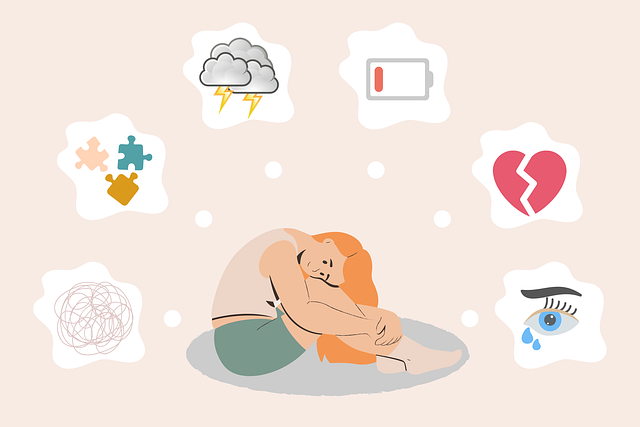
Clinically, symptoms cluster into four groups that a licensed provider looks for together, not in isolation: intrusive memories (flashbacks, nightmares), avoidance of reminders, negative shifts in mood and thinking (guilt, detachment, distorted self-blame), and heightened arousal or reactivity (hypervigilance, irritability, sleep disruption). A diagnosis generally requires this pattern to persist for more than a month and meaningfully interfere with daily functioning.
The PTSD Ribbon: Color, Meaning, and Symbolism
What Color Is the PTSD Awareness Ribbon?
If you searched “ptsd ribbon color” or “what color represents ptsd awareness,” the answer is straightforward: teal. Teal ribbons, lapel pins, wristbands, and social-media profile frames appear throughout June to mark PTSD Awareness Month. Many organizations pair the ribbon with a secondary symbol, the lotus flower, because the flower grows up through muddy water before blooming above the surface, a visual metaphor advocates use for trauma recovery.
The Psychology of Teal: Why This Particular Shade
Color choice in health advocacy is rarely arbitrary, and PTSD’s is a good example of deliberate, clinically informed design. Teal sits at the intersection of blue and green on the color wheel. Color-psychology research consistently links blue with calm, trust, and open communication, while green is associated with renewal, balance, and growth. For a condition defined by hypervigilance and a nervous system that gets stuck in “threat mode,” pairing the cause with a color associated with safety and calm is a considered choice, the same logic trauma-informed care spaces use when they favor soft, cool tones over high-arousal colors like red.
It’s worth noting that teal isn’t exclusive to PTSD. The same shade is shared with sexual assault awareness, suicide prevention (paired with purple), anxiety disorders, and ovarian cancer, among other causes. There is no single global registry that assigns awareness colors, so overlap between causes is common; the month, the campaign, or the accompanying hashtag usually clarifies which cause a given ribbon points to.

Where the Awareness Day Came From
The ribbon’s color is only half the story, the date behind it has a specific, human origin. In 2010, the U.S. Senate designated June 27 as National PTSD Awareness Day, a resolution proposed by Senator Kent Conrad of North Dakota in memory of Army Staff Sergeant Joe Biel. Biel, a North Dakota National Guard member, developed PTSD after two tours in Iraq and died by suicide in 2007; June 27 was his birthday. The observance later expanded to cover the entire month of June, giving advocates, clinicians, and survivors more room to educate, screen, and connect people with care.
| A NOTE ON SAFETY
PTSD Awareness Day exists because of a life lost to suicide. If you or someone you know is having thoughts of suicide or self-harm, the 988 Suicide & Crisis Lifeline (call or text 988) is available free, 24/7, in the United States. |
PTSD Awareness Month: June and the Bigger Picture of Advocacy
June’s designation didn’t happen in isolation. It sits inside a year-round calendar of mental health observances, Mental Health Awareness Month in May, Sexual Assault Awareness Month in April, Suicide Prevention Awareness Month in September, each using color and timing to carve out dedicated attention for a specific population. For the broader calendar of mental health awareness months and how they connect to one another, it helps to see PTSD Awareness Month as one part of a coordinated, year-long advocacy rhythm rather than an isolated event.
That timing matters strategically, not just symbolically. Awareness months are when advocacy organizations push hardest for legislative funding, when employers are most likely to revisit mental health policy, and when media coverage briefly spikes, creating a narrow window where public attention can convert into systemic change: expanded insurance coverage for trauma therapy, veteran mental health funding, and trauma-informed training requirements in schools and workplaces. Wearing the ribbon is the visible entry point; the deeper value is the time-limited leverage it creates for policy conversations that are otherwise difficult to schedule.
Not All Awareness Ribbons Look Alike: A Comparison Table
Ribbon colors are easy to confuse, especially since several causes share the same shade. Here’s how the PTSD ribbon compares to other trauma- and mental-health-related awareness symbols:
| Cause | Ribbon Color | Observance |
| PTSD | Teal | June (PTSD Awareness Month); June 27 (PTSD Awareness Day) |
| Suicide Prevention | Teal and purple | September (Suicide Prevention Awareness Month) |
| Sexual Assault Awareness | Teal | April (Sexual Assault Awareness Month) |
| General Mental Health | Green | May (Mental Health Awareness Month) |
| Domestic Violence | Purple | October (Domestic Violence Awareness Month) |
The overlap between PTSD, suicide prevention, and sexual assault ribbons isn’t a coincidence. Trauma, suicidality, and sexual violence are clinically and statistically intertwined, and several organizations intentionally reuse teal to visually connect these causes rather than compete for a unique shade.
Beyond the Ribbon: How PTSD Reaches Into Relationships and Daily Life
A ribbon captures a moment; PTSD lives in the everyday. Hypervigilance can look like a partner who startles at a slammed door. Avoidance can look like someone who cancels plans repeatedly with no clear explanation. Emotional numbing is frequently misread as disinterest, when it’s actually a nervous system trying to protect itself.
These patterns place real, often invisible strain on relationships. Partners of people with PTSD frequently describe a slow erosion of intimacy and communication, not because love is absent, but because trauma responses were never designed for a shared bedroom or a joint calendar. Untreated PTSD is consistently linked to higher rates of relationship conflict and separation, which is why professional couples counseling that addresses trauma directly has become a standard, evidence-based part of trauma recovery rather than an optional add-on. Structured support gives both partners a shared vocabulary for what’s happening and a practical path back toward connection.
It’s also worth naming that PTSD doesn’t always follow a single, identifiable incident. Survivors of prolonged or repeated trauma, childhood abuse, long-term domestic violence, human trafficking, often meet criteria for Complex PTSD, a related but clinically distinct diagnosis. The teal ribbon is inclusive of both presentations; public awareness campaigns rarely distinguish between them, but treatment planning absolutely should.
Practical Ways to Show Support During (and After) PTSD Awareness Month
- Wear the ribbon and explain it. A teal ribbon, pin, or bracelet is a low-effort, high-signal way to open a conversation, but be ready to explain what it means when someone asks.
- Share vetted resources, not slogans. Point people toward the National Center for PTSD or a licensed clinician rather than generic self-help content.
- Practice trauma-informed listening. Let someone share on their own timeline, and avoid pressing for details of the traumatic event itself.
- Check in after June ends. Trauma doesn’t observe a calendar. A message in October matters just as much as one on June 27.
- Support workplace and school policy. Advocate for trauma-informed training and reasonable accommodations wherever you have influence.
- Avoid armchair diagnosis. Recognizing symptoms in someone is not the same as diagnosing them, leave that to licensed professionals.
- Normalize professional treatment. Evidence-based therapies like Cognitive Processing Therapy, EMDR, and trauma-focused CBT have strong track records, say so plainly and often.
- Donate or volunteer with trauma-informed organizations. Time and funding sustain the infrastructure that awareness months depend on.
Recognizing the Signs: When to Encourage Professional Help
Ribbon-level awareness should translate into real recognition. PTSD symptoms generally cluster into four groups, and clinicians look for a persistent pattern across all four before diagnosing:
- Intrusive memories: flashbacks, nightmares, distressing involuntary thoughts
- Avoidance: steering clear of people, places, or conversations tied to the trauma
- Negative changes in mood or thinking: persistent guilt, detachment, distorted self-blame
- Changes in arousal and reactivity: hypervigilance, irritability, an exaggerated startle response, sleep disruption
If these patterns last longer than a month and interfere with work, relationships, or daily functioning, a formal evaluation, starting with a primary care provider, a licensed therapist, or a free screening through the National Center for PTSD, is a reasonable next step, not an overreaction.
Frequently Asked Questions
Q: What color is the PTSD awareness ribbon?
A: Teal. It’s worn throughout June, PTSD Awareness Month, and especially on June 27, National PTSD Awareness Day.
Q: Is teal used for causes other than PTSD?
A: Yes. Teal is also associated with sexual assault awareness, suicide prevention (paired with purple), anxiety disorders, and ovarian cancer, among other causes. There’s no central authority that assigns awareness colors, so overlap is common.
Q: When is PTSD Awareness Month?
A: June. June 27 specifically marks National PTSD Awareness Day, established by the U.S. Senate in 2010.
Q: What does the PTSD ribbon actually symbolize?
A: Beyond marking the cause, the teal color is meant to evoke calm, trust, and open communication, qualities directly relevant to a condition defined by hypervigilance and difficulty discussing trauma. Some campaigns pair it with a lotus flower to symbolize recovery.
Q: Is there a specific ribbon for combat or veteran PTSD?
A: The core PTSD awareness color remains teal for veterans and civilians alike, though some veteran-focused advocacy groups also use a yellow-and-black ribbon to highlight the combined impact of PTSD and traumatic brain injury (TBI) in military populations.
Q: How can I support someone with PTSD if I don’t want to wear a ribbon?
A: Skip the symbol and go straight to the substance: learn the symptoms, avoid pressuring someone for trauma details, check in consistently (not just in June), and encourage, without insisting on, professional treatment.
Q: Is PTSD Awareness Day different from Suicide Prevention Awareness Month?
A: Yes, they’re distinct observances, PTSD Awareness Day falls on June 27, while Suicide Prevention Awareness Month is in September, but they’re closely related, since untreated PTSD is a significant risk factor for suicidal ideation.
A ribbon is not treatment. It’s an invitation, to notice, to ask, to learn, and occasionally, to have a harder conversation than usual. Whether you’re wearing teal this June or reading this in the middle of October, the same rule applies: consistent, informed support for the people around you does more than any single symbol ever could.
Medical Disclaimer & E-E-A-T AttributionThis article is for educational purposes and does not replace personalized medical or psychological advice. If you are recovering from a brain injury, trauma, or a mental health condition, work with a licensed clinician to build a plan suited to your situation. Written by: Adil Farooq, Psychiatry Magazine Medically reviewed by: [Dr. Adil Farooq MS · PhD] · Updated: 2026 |