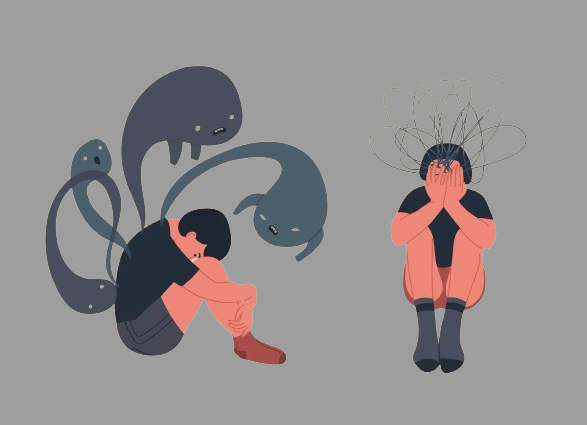
Many people experience physical symptoms that seem to appear “out of nowhere.” Persistent headaches, stomach problems, chest tightness, muscle pain, fatigue, or dizziness often lead to repeated medical visits—yet test results come back normal. This can be confusing, frightening, and deeply invalidating.
What many people don’t realize is that emotional distress can manifest physically. The body and mind are not separate systems. Emotional pain, stress, unresolved trauma, and chronic anxiety frequently express themselves through physical sensations and symptoms.
These symptoms are real, not imagined, and they are not a sign of weakness. They are signals from the nervous system that something inside needs attention, safety, or regulation.

What Is Emotional Distress?
Emotional distress is a state of psychological suffering that occurs when a person feels overwhelmed, threatened, unsupported, or unable to cope with internal or external stressors.
It can be caused by:
- Chronic stress
- Anxiety or depression
- Trauma (past or ongoing)
- Grief or loss
- Relationship conflict
- Burnout
- Emotional suppression
- Childhood adversity
Emotional distress exists on a spectrum. Everyone experiences it at times, but when it becomes chronic or unprocessed, the body often steps in to express what words or awareness cannot.
Can Emotional Stress Cause Physical Symptoms?
Yes. Emotional stress is one of the most common causes of physical symptoms without a clear medical explanation.
When the brain perceives emotional threat, it activates the stress response system, involving:
- The autonomic nervous system
- Stress hormones like cortisol and adrenaline
- The immune system
- Muscle tension patterns
- Digestive and cardiovascular changes
If stress becomes prolonged, the body remains in a state of fight, flight, or freeze, even when no immediate danger is present. Over time, this leads to physical symptoms.
These symptoms are sometimes labeled:
- Psychosomatic symptoms
- Functional symptoms
- Stress-related conditions
- Somatic symptoms
None of these mean the symptoms are “all in your head.” They reflect a real physiological response to emotional overload.
The Mind–Body Connection Explained Simply
The body stores experiences—especially those that were overwhelming, frightening, or emotionally unsafe.
When emotions are:
- Suppressed
- Ignored
- Invalidated
- Too intense to process at the time
…the nervous system holds onto them.
Instead of emotional awareness, the distress appears as:
- Pain
- Tension
- Illness
- Fatigue
- Sensory discomfort
This is the body’s way of saying: something needs attention.
Common Physical Symptoms of Emotional Distress
Emotional distress can affect nearly every system in the body. Below are the most commonly reported physical symptoms.
Headaches and Migraines
Chronic tension, stress, and emotional suppression often lead to:
- Tension headaches
- Migraines
- Pressure behind the eyes
- Neck and shoulder tightness
Chest Tightness and Heart Symptoms
Many people experience:
- Chest pain
- Heart palpitations
- Shortness of breath
- A feeling of heaviness or constriction
These symptoms often mimic heart conditions but are commonly linked to anxiety and emotional stress.
Digestive Problems
The gut is highly sensitive to emotional states. Symptoms may include:
- Stomach pain
- Nausea
- Bloating
- Diarrhea or constipation
- Irritable bowel symptoms
- Loss of appetite
Muscle Tension and Body Pain
Emotional distress often shows up as:
- Chronic muscle tightness
- Jaw clenching
- Back pain
- Neck and shoulder pain
- Fibromyalgia-like symptoms
Fatigue and Low Energy
Prolonged emotional distress can lead to:
- Constant exhaustion
- Heavy limbs
- Burnout
- Feeling “drained” even after rest
Dizziness and Lightheadedness
Stress-related hyperventilation and nervous system dysregulation can cause:
- Dizziness
- Feeling faint
- Brain fog
- Disorientation
Skin Issues
Emotional distress may worsen:
- Eczema
- Psoriasis
- Hives
- Acne
- Skin sensitivity
Sleep Disturbances
Common sleep-related symptoms include:
- Insomnia
- Frequent waking
- Vivid or disturbing dreams
- Restless sleep
What Are the Physical Effects of Emotional Distress Over Time?
When emotional distress becomes chronic, the body remains in survival mode. Over time, this can contribute to:
- Nervous system dysregulation
- Weakened immune response
- Hormonal imbalances
- Chronic inflammation
- Increased pain sensitivity
- Digestive disorders
- Cardiovascular strain
Long-term emotional distress does not just affect mood—it affects whole-body health.
What Is Severe Emotional Distress?
Severe emotional distress occurs when emotional overload exceeds the nervous system’s ability to regulate.
It may look like:
- Constant anxiety or panic
- Emotional numbness or shutdown
- Feeling unsafe in your body
- Dissociation
- Loss of motivation or pleasure
- Persistent physical symptoms without relief
Physically, severe emotional distress may involve:
- Severe fatigue
- Chronic pain
- Digestive shutdown
- Frequent illness
- Panic-like bodily sensations
This level of distress often requires professional support.
What Are the Five Signs of Emotional Distress?
1. Emotional Signs
- Persistent sadness or fear
- Irritability
- Emotional numbness
- Feeling overwhelmed
2. Physical Signs
- Unexplained aches and pains
- Digestive issues
- Sleep problems
- Fatigue
3. Cognitive Signs
- Racing thoughts
- Brain fog
- Difficulty concentrating
- Catastrophic thinking
4. Behavioral Signs
- Avoidance
- Withdrawal
- Overworking
- Increased reliance on substances or distractions
5. Relational Signs
- Isolation
- Difficulty trusting others
- Increased conflict
- Feeling misunderstood
Why Medical Tests Often Show “Nothing Wrong”
Many people with emotional distress feel dismissed after normal test results. This can increase fear and frustration.
Medical tests often focus on:
- Structural damage
- Infection
- Disease markers
Emotional distress affects function and regulation, not structure. The body is reacting appropriately to perceived threat, even if no disease is present.
This does not mean nothing is wrong—it means the issue is functional and nervous-system based.
How Trauma Contributes to Physical Symptoms
Trauma—especially early or repeated trauma—can profoundly affect the body.
Trauma may lead to:
- Hypervigilance
- Chronic muscle tension
- Digestive shutdown
- Pain syndromes
- Immune dysregulation
The body remembers what the mind may forget. Trauma stored in the nervous system often shows up physically until it is processed safely.
How to Relieve Physical Symptoms of Emotional Distress
Healing requires addressing both emotional and physical regulation.
Nervous System Regulation
- Slow breathing
- Gentle movement
- Predictable routines
- Creating safety cues
Grounding Techniques
- 5-4-3-2-1 sensory grounding
- Temperature awareness
- Foot-to-floor awareness
Somatic Awareness
- Noticing bodily sensations without judgment
- Tracking tension and release
- Learning the body’s stress signals
Emotional Expression
- Journaling
- Talking with safe people
- Therapy
- Creative expression
Therapy Approaches
Helpful modalities may include:
- Cognitive Behavioral Therapy (CBT)
- Somatic therapy
- Trauma-informed therapy
- Mindfulness-based approaches
When to Seek Professional Help
Seek support if:
- Symptoms persist or worsen
- Emotional distress interferes with daily life
- Physical symptoms cause significant fear
- You feel emotionally unsafe or overwhelmed
Integrated care that respects both physical and emotional experiences is often most effective.
Reassurance and Hope
Physical symptoms of emotional distress are common, real, and reversible. The body is not broken—it is communicating.
With understanding, compassion, and proper support, the nervous system can learn safety again. Healing does not mean eliminating all stress—it means restoring regulation, resilience, and trust in your body.
FAQ Section (Schema-Friendly)
Can emotional stress cause physical symptoms?
Yes. Emotional stress activates the nervous system and stress hormones, which can lead to real physical symptoms such as pain, digestive issues, fatigue, and chest tightness.
What are the physical effects of emotional distress?
Physical effects include headaches, muscle tension, digestive problems, sleep disturbances, fatigue, immune changes, and increased pain sensitivity.
What is severe emotional distress?
Severe emotional distress occurs when emotional overload overwhelms the nervous system, leading to intense anxiety, shutdown, chronic physical symptoms, or functional impairment.
What are the five signs of emotional distress?
The five signs include emotional changes, physical symptoms, cognitive difficulties, behavioral shifts, and relational problems.