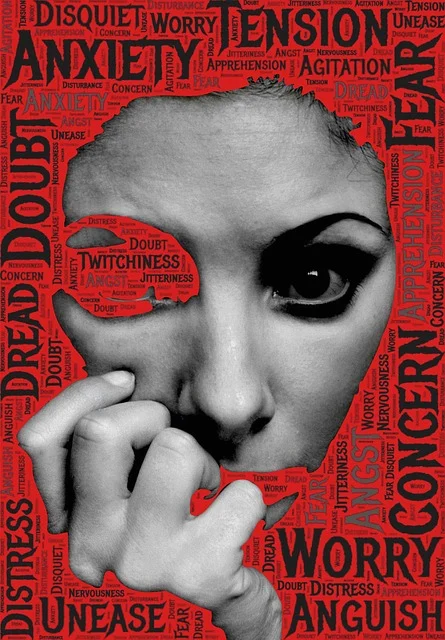
Obsessive-Compulsive Disorder (OCD) is a mental health condition that affects how people think, feel, and behave in their daily lives. It is characterized by persistent, unwanted thoughts known as obsessions and repetitive behaviors or mental actions called compulsions. These obsessions can cause intense anxiety or distress, while compulsions are performed in an attempt to reduce that anxiety or prevent feared outcomes. However, the relief from these behaviors is usually temporary, creating a cycle that can be difficult to break.

People living with Obsessive-Compulsive Disorder often experience intrusive thoughts that feel overwhelming or uncontrollable. These thoughts may revolve around fears of contamination, the need for symmetry, worries about causing harm, or doubts about everyday decisions. To cope with these thoughts, individuals may engage in repeated behaviors such as excessive handwashing, checking locks or appliances, counting, or arranging objects in specific ways.
Although many people occasionally experience intrusive thoughts or feel the urge to double-check something, OCD goes beyond normal habits or concerns. The disorder can consume significant time, interfere with daily activities, and impact relationships, work, or school performance. According to the World Health Organization, obsessive-compulsive disorder is one of the most common mental health conditions worldwide, affecting millions of individuals across different age groups.
Obsessions: Intrusive Thoughts or Urges
- Fear of contamination or germs
- Intrusive thoughts about harming oneself or others
- Fear of making a mistake
- Need for symmetry or exactness
- Unwanted religious, sexual, or violent thoughts
Compulsions: Repetitive Behaviors or Mental Acts
- Excessive hand-washing or cleaning
- Checking (e.g., doors, locks, appliances) repeatedly
- Counting, tapping, or repeating words silently
- Arranging items in a specific order
- Seeking constant reassurance
These actions are not enjoyable—they are performed to reduce anxiety caused by obsessions.
What Causes OCD?
OCD is thought to be caused by a combination of:
- Genetics: Family history can increase risk.
- Brain Structure and Function: Differences in the brain’s circuits may contribute.
- Life Events: Trauma, abuse, or prolonged stress can trigger or worsen symptoms.
- Other Mental Health Conditions: Anxiety disorders, depression, and tic disorders may co-occur.
How OCD Affects Daily Life
Living with OCD can be exhausting and time-consuming. Individuals might spend hours performing rituals, struggle to concentrate at work or school, or avoid situations that trigger their obsessions.
Real-Life Example:
A college student with contamination fears may avoid public restrooms entirely, leading to pain, illness, or isolation.
How OCD Is Diagnosed
Diagnosis is made by a mental health professional using criteria from the DSM-5 (Diagnostic and Statistical Manual of Mental Disorders).
Assessment may include:
- Personal and family medical history
- Psychological evaluation
- Observations of thoughts and behaviors
- Rule-out of other mental health conditions
How to Treat OCD: Effective Options
OCD is treatable, and many people see significant improvement with the right approach.
1. Cognitive Behavioral Therapy (CBT)
The gold standard is a type of CBT called Exposure and Response Prevention (ERP), which helps individuals face their fears without performing compulsions.
2. Medications
- SSRIs (Selective Serotonin Reuptake Inhibitors) like fluoxetine or sertraline are commonly prescribed.
- Medication may take several weeks to show benefits.
3. Lifestyle Changes
- Regular exercise
- Healthy sleep habits
- Stress reduction techniques (yoga, meditation)
- Balanced diet
Coping Strategies for Living with OCD
- Create a structured daily routine
- Limit avoidance behaviors (face fears gradually with support)
- Educate family members to understand and reduce enabling behaviors
- Join support groups online or in your area
- Track triggers and progress in a journal