In today’s fast-paced world, many people feel constantly on edge, exhausted, emotionally overwhelmed, or disconnected—yet they don’t always understand why. Often, the root cause isn’t a mental illness or a physical disease but something more subtle: nervous system overload. When your nervous system is overwhelmed for too long, it begins to malfunction, sending confusing signals to both your body and mind.
What Is Nervous System Overload?
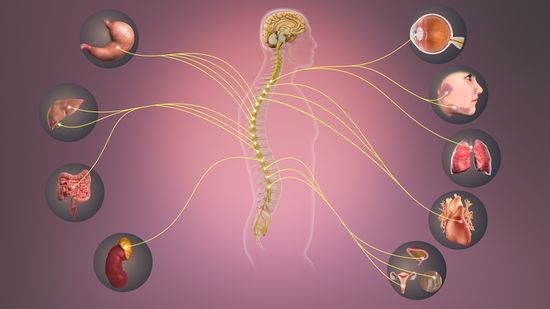
Your nervous system is your body’s command center. It controls how you respond to stress, danger, rest, pleasure, and recovery. Ideally, it moves fluidly between activation and calm. But when stress becomes constant, your nervous system may become overloaded.
Nervous system overload occurs when the body remains in a state of high alert—or shutdown—for too long without enough recovery. This can happen even if you don’t consciously feel stressed.
There are two main systems involved:
- Sympathetic nervous system (fight or flight)
- Parasympathetic nervous system (rest and digest)
When balance is lost, the nervous system becomes dysregulated, leading to physical, emotional, and cognitive symptoms.
Common Nervous System Overload Symptoms
Nervous system overload does not always feel like panic or anxiety. In fact, many symptoms are quiet, confusing, and often misinterpreted.
Physical Symptoms
- Chronic fatigue or exhaustion
- Tight chest or shallow breathing
- Muscle tension or body aches
- Digestive problems
- Dizziness or lightheadedness
- Headaches or pressure in the head
- Sensitivity to noise, light, or touch
Emotional Symptoms
- Irritability or emotional reactivity
- Feeling overwhelmed easily
- Emotional numbness or detachment
- Sudden sadness or unexplained crying
- Loss of joy or motivation
Cognitive Symptoms
- Brain fog
- Racing thoughts
- Difficulty concentrating
- Memory problems
- Feeling mentally “fried”
These symptoms often come and go, which makes them harder to identify as nervous system related.
What Happens When You Overload Your Nervous System?
When overload continues without relief, the nervous system shifts into survival mode. This affects the body in powerful ways.
Short-Term Effects
- Heightened alertness
- Increased cortisol
- Faster heart rate
- Reduced digestion and immune function
Long-Term Effects
- Chronic anxiety or burnout
- Emotional shutdown or dissociation
- Increased inflammation
- Hormonal imbalance
- Reduced resilience to stress
Eventually, the nervous system may move from hyperactivation (anxiety, tension) into shutdown (numbness, exhaustion).
How to Tell If the Nervous System Is Dysregulated?
Nervous system dysregulation often hides behind everyday complaints. You may notice:
- You feel “on edge” even when nothing is wrong
- You struggle to relax, even during rest
- Small stressors feel overwhelming
- You feel tired but wired
- Your body reacts before your mind
A key sign is lack of flexibility—your system gets stuck in one state and struggles to return to balance.
How Do You Know If Your Nervous System Is Shutting Down?
When overload becomes too much, the body may enter a freeze or shutdown response. This is a protective mechanism, not a failure.
Signs of nervous system shutdown include:
- Emotional numbness
- Feeling disconnected from yourself or others
- Extreme fatigue
- Lack of motivation
- Feeling “blank” or empty
- Difficulty feeling pleasure
This state is often mistaken for depression, but it is primarily physiological, not psychological.
Causes of Nervous System Overload
Nervous system overload doesn’t happen overnight. It builds slowly.
Common causes include:
- Chronic stress
- Emotional suppression
- Trauma (even subtle or childhood trauma)
- Constant overstimulation (screens, noise, multitasking)
- Poor sleep
- Lack of emotional safety
You don’t need a traumatic event for your nervous system to become overwhelmed—long-term pressure is enough.
How Do I Reset My Nervous System?
Resetting your nervous system is not about forcing calm—it’s about creating safety.
Gentle Ways to Reset the Nervous System
1. Regulated Breathing
Slow, deep breathing sends a signal of safety to the brain.
- Inhale through the nose
- Exhale longer than you inhale
2. Grounding the Body
- Walking barefoot
- Holding a warm object
- Feeling your feet on the floor
3. Reduce Stimulation
- Lower screen time
- Reduce multitasking
- Create quiet moments
4. Consistent Routines
Predictability helps the nervous system relax.
5. Self-Compassion
Harsh self-talk keeps the nervous system in threat mode.
How to Stop Physical Symptoms of Anxiety Caused by Overload
Physical symptoms are not dangerous—they are messages.
Helpful approaches include:
- Somatic exercises
- Gentle stretching
- Body scanning
- Progressive muscle relaxation
Avoid forcing symptoms away; regulation comes from listening, not resisting.
Nervous System Overload Treatment
There is no single cure, but many effective treatments support regulation.
Self-Regulation Tools
- Breathing practices
- Mindfulness
- Movement-based regulation
Therapy Options
- Somatic therapy
- EMDR
- Trauma-informed CBT
- Emotionally focused therapy
When to Seek Professional Help
- Symptoms persist for months
- Daily functioning is impaired
- Emotional numbness worsens
A trained professional can help guide your nervous system back to balance safely.
Lifestyle Changes That Support Nervous System Healing
Small daily habits make a huge difference:
- Prioritize sleep
- Eat regularly
- Set emotional boundaries
- Limit caffeine and stimulants
- Spend time in nature
Healing is not dramatic—it is consistent and gentle.
Conclusion: Healing Is Possible
Nervous system overload is not a personal weakness—it is a biological response to prolonged stress. Your body is not broken; it is trying to protect you.
With patience, safety, and the right support, your nervous system can relearn balance. Healing doesn’t require force—it requires gentleness, awareness, and time.
Your nervous system is not your enemy.
It is asking for care.
Frequently Asked Questions (FAQ)
Is nervous system overload a medical condition?
No, but it is a real physiological state that affects health and well-being.
Can nervous system overload cause physical illness?
Yes. Long-term dysregulation can contribute to chronic pain, digestive issues, and fatigue.
How long does it take to reset the nervous system?
Some relief can be felt in days; deeper healing takes weeks or months.
Is nervous system overload the same as anxiety?
No. Anxiety is a symptom; overload is a broader nervous system state.