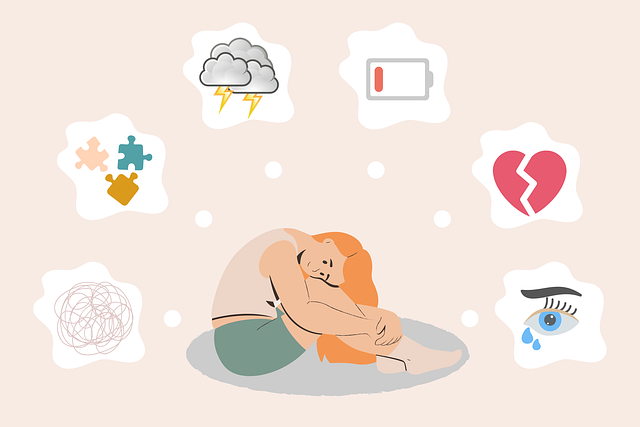
Kundalini awakening is often described as a powerful internal experience involving a surge of energy rising through the body, leading to deep emotional, psychological, and spiritual changes. While rooted in ancient spiritual traditions, modern psychology examines Kundalini awakening through the lens of mental health, emotional regulation, and altered states of consciousness.

For some, it can feel enlightening and transformative. For others, it may be overwhelming, confusing, or even distressing—especially without proper understanding or support.
What is Kundalini Awakening?
Kundalini awakening refers to the activation of a dormant energy believed to reside at the base of the spine. As this energy rises, individuals may experience shifts in:
- Awareness
- Emotions
- Perception of reality
From a psychological perspective, it can resemble a deep internal reorganization of thoughts, emotions, and identity.
Kundalini Awakening Symptoms
The experience varies widely, but common kundalini awakening symptoms include:
Physical Symptoms
- Tingling or heat along the spine
- Sudden body movements
- Changes in sleep patterns
Emotional Symptoms
- Intense mood swings
- Sudden emotional releases
- Feelings of bliss or fear
Mental Symptoms
- Heightened awareness
- Racing thoughts
- Altered perception of reality
Psychological Effects of Kundalini Awakening
The psychological effects of kundalini awakening can be both positive and challenging.
Positive Effects
- Increased self-awareness
- Emotional clarity
- Personal growth
Challenging Effects
- Anxiety or panic
- Emotional overwhelm
- Confusion or disorientation
In psychology, such experiences may be linked to nervous system activation, trauma release, or intense introspection.
Kundalini Awakening and Mental Health
There is growing discussion about the relationship between kundalini awakening and mental health.
Possible Overlaps with Mental Health Conditions
- Anxiety disorders
- Depression
- Dissociation
In some cases, individuals may misinterpret psychological distress as a spiritual awakening—or vice versa.
Kundalini Awakening vs Psychosis
One of the most important distinctions is between kundalini awakening vs psychosis.
Kundalini Awakening
- Awareness is often retained
- Experiences may feel meaningful
- Person can reflect on their state
Psychosis
- Loss of contact with reality
- Delusions or hallucinations
- Impaired functioning
If reality testing is lost, it is important to seek immediate professional help.
Kundalini Syndrome & Spiritual Emergency
Some individuals experience what is called kundalini syndrome or a spiritual emergency.
Signs Include:
- Intense anxiety or fear
- Sensory overload
- Difficulty functioning in daily life
This is not uncommon and should be treated with psychological care and grounding techniques.
Emotional Release and Trauma Healing
A significant aspect of kundalini awakening is emotional release.
What Happens?
- Suppressed emotions surface
- Past trauma may re-emerge
- Emotional cleansing occurs
While this can be healing, it may also feel overwhelming without guidance.
Altered States of Consciousness
Kundalini awakening often involves altered states of consciousness, such as:
- Feeling deeply connected to everything
- Distorted sense of time
- Heightened sensory perception
Psychologically, this can be linked to changes in brain activity and awareness levels.
Is Kundalini Awakening Safe?
The answer depends on how it occurs.
Generally Safer When:
- Gradual and guided
- Supported by experienced practitioners
Risky When:
- Sudden and intense
- Triggered without preparation
- Lacking emotional support
How to Handle Kundalini Awakening
If you are experiencing this, focus on stability and grounding.
Helpful Strategies
- Practice deep breathing
- Maintain a daily routine
- Stay socially connected
- Avoid isolation
Grounding Techniques for Kundalini Awakening
Grounding is essential to balance intense experiences.
Effective Techniques
- Walking barefoot on natural surfaces
- Focusing on physical sensations
- Eating nourishing food
- Limiting overstimulation
When to Seek Psychological Help
Seek professional support if you experience:
- Persistent anxiety or panic
- Loss of control
- Disconnection from reality
- Difficulty functioning daily
A trained therapist can help differentiate between spiritual experiences and mental health concerns.
Therapy and Support for Kundalini Experiences
Helpful Approaches
- Cognitive Behavioral Therapy (CBT)
- Trauma-informed therapy
- Mindfulness-based therapy
Therapy can help you:
- Stay grounded
- Process emotions safely
- Regain stability
Conclusion
Kundalini awakening is a complex experience that lies at the intersection of spirituality and psychology. While it can lead to personal growth and insight, it can also trigger intense emotional and mental challenges.
The key is balance:
- Stay grounded
- Seek understanding
- Get support when needed
Remember, not every intense inner experience is purely spiritual—sometimes, it’s your mind asking for care,