If you’ve been feeling constantly on edge, overwhelmed, or stuck in anxiety, your amygdala may be working overtime. The amygdala is the part of your brain responsible for detecting danger and triggering fear responses. When it becomes overactive, it can make everyday stress feel like a threat.
Learning how to calm the amygdala is possible.
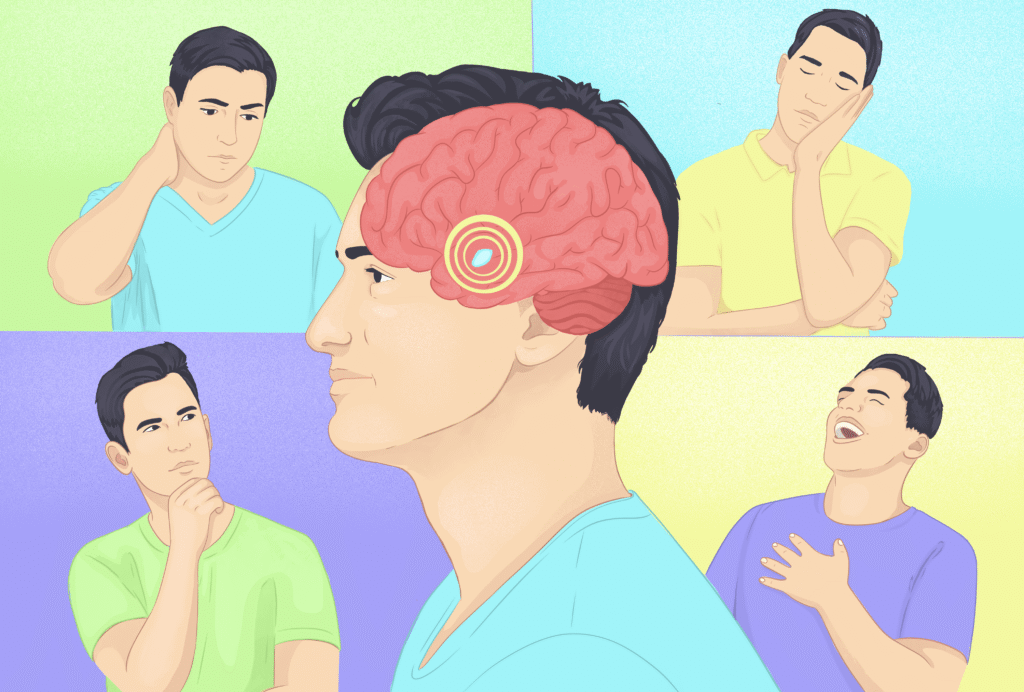
Your brain is not fixed. It is adaptable. Through simple, consistent practices, you can retrain your nervous system and reduce anxiety naturally.
Let’s break this down in a clear and supportive way.
What Is the Amygdala and What Does It Do?
The amygdala is a small almond-shaped structure located deep in the brain, inside the limbic system.
Its main job is survival.
It helps you:
- Detect threats
- Process fear
- Store emotional memories
- Trigger fight, flight, or freeze
- Activate stress hormones
When the amygdala senses danger, it reacts instantly — often before your logical brain (prefrontal cortex) has time to assess the situation.
That’s why anxiety can feel automatic.
The amygdala isn’t trying to hurt you. It’s trying to protect you.
Does an Overactive Amygdala Cause Anxiety?
Yes, it plays a major role.
When the amygdala becomes hypersensitive, it may:
- Overestimate danger
- React to minor stressors
- Stay activated longer than necessary
- Trigger chronic stress hormones
This leads to:
- Racing thoughts
- Muscle tension
- Panic symptoms
- Hypervigilance
- Irritability
Chronic stress, trauma, sleep deprivation, and constant stimulation can keep the amygdala in “threat mode.”
Over time, your brain learns to expect danger — even when none is present.
Signs of an Overactive Amygdala
You might notice:
- Constant worry
- Difficulty relaxing
- Strong startle response
- Feeling “on edge”
- Trouble sleeping
- Emotional overreactions
- Catastrophic thinking
- Panic attacks
These symptoms don’t mean you’re broken. They mean your nervous system needs regulation.
How to Calm the Amygdala Naturally
Here’s where things get empowering.
Learning how to calm the amygdala involves signaling safety to your nervous system.
1. Deep Breathing Techniques
Slow breathing directly communicates safety to the brain.
Try:
- Inhale for 4 seconds
- Hold for 4 seconds
- Exhale for 6–8 seconds
Longer exhales activate the parasympathetic nervous system — the “rest and digest” state.
Practice daily, not just during anxiety.
2. Cold Exposure (Vagus Nerve Stimulation)
Splashing cold water on your face can reset stress responses.
It stimulates the vagus nerve, which helps slow heart rate and calm the amygdala.
Even holding a cold object can help interrupt panic.
3. Grounding Exercises
Grounding pulls attention out of fear and into the present moment.
Try the 5-4-3-2-1 method:
- 5 things you see
- 4 things you feel
- 3 things you hear
- 2 things you smell
- 1 thing you taste
This signals the brain that you are safe right now.
4. Mindfulness and Meditation
Research shows mindfulness reduces amygdala reactivity over time.
Meditation strengthens the prefrontal cortex — the rational brain that calms fear.
Start with just 5 minutes daily.
Consistency matters more than duration.
5. Movement and Exercise
Physical activity burns excess stress hormones.
Walking, stretching, yoga, or strength training all help regulate the stress response.
You don’t need intense workouts. Gentle consistency works.
6. Progressive Muscle Relaxation
Tense and release muscle groups slowly.
This teaches your brain the difference between tension and relaxation.
It also reduces physical anxiety symptoms.
7. Limit Caffeine
Caffeine stimulates adrenaline.
If your amygdala is already sensitive, caffeine can amplify anxiety.
Try reducing gradually and observe changes.
8. Improve Sleep Hygiene
Sleep deprivation heightens amygdala reactivity.
To improve sleep:
- Keep a consistent bedtime
- Avoid screens before bed
- Keep your room cool and dark
- Limit late caffeine
Rest strengthens emotional regulation.
9. Reduce Constant Stimulation
Social media, news cycles, and notifications keep the brain in alert mode.
Try:
- Digital breaks
- Notification limits
- News boundaries
Your nervous system needs quiet time.
How to Heal a Damaged Amygdala?
First, it’s important to clarify:
In anxiety, the amygdala is rarely “damaged.”
It’s usually dysregulated.
Thanks to neuroplasticity — the brain’s ability to rewire — healing is possible.
Therapies that support amygdala regulation include:
- Cognitive Behavioral Therapy (CBT)
- EMDR (Eye Movement Desensitization and Reprocessing)
- Somatic therapy
- Trauma-focused therapy
Gradual exposure to feared situations can reduce reactivity over time.
Healing is a process — not an overnight fix.
How to Calm the Nervous System
The amygdala doesn’t calm alone. It calms when the entire nervous system feels safe.
Ways to activate the parasympathetic system:
- Slow breathing
- Gentle stretching
- Humming or singing
- Safe social connection
- Warm baths
- Nature exposure
Connection is powerful. Co-regulation with safe people reduces fear responses.
How to Calm Anxious Thoughts
Anxious thoughts fuel amygdala activation.
To interrupt them:
1. Label the Thought
“This is anxiety speaking.”
2. Challenge Catastrophic Thinking
Ask: “What evidence do I have?”
3. Replace With Balanced Statements
“This is uncomfortable, but not dangerous.”
4. Write It Down
Journaling reduces mental loops.
Self-compassion is key. Harsh self-criticism increases stress.
How Trauma Affects the Amygdala
Trauma can sensitize the amygdala.
After repeated stress:
- The brain becomes hyper-alert
- Neutral events feel threatening
- Triggers activate quickly
This is not weakness. It’s learned survival.
Over time, safety-based experiences can retrain these patterns.
Can You Rewire the Amygdala?
Yes.
Neuroplasticity allows your brain to change.
Repeated calming practices:
- Strengthen prefrontal cortex control
- Reduce amygdala hyperactivity
- Lower stress hormone baseline
- Improve emotional regulation
Small habits practiced consistently create lasting change.
Daily Routine to Keep the Amygdala Calm
Here’s a simple structure:
Morning
- 5 minutes breathing
- Light movement
- Limit news exposure
Midday
- Short walk
- Hydration
- Stretching
Evening
- Digital wind-down
- Journaling
- Gentle breathing before sleep
Consistency builds resilience.
When to Seek Professional Help
Consider support if:
- Panic attacks are frequent
- Trauma memories feel intrusive
- Anxiety disrupts daily life
- Sleep is severely affected
- You avoid many situations
Anxiety disorders are recognized in the Diagnostic and Statistical Manual of Mental Disorders.
A licensed mental health professional can assess and guide treatment.
This article is educational and not medical advice.
Frequently Asked Questions
Can you shrink the amygdala?
Research suggests long-term mindfulness may reduce amygdala volume slightly, but the goal is regulation — not shrinking.
How long does it take to calm an overactive amygdala?
Some techniques work immediately (like breathing). Long-term change may take weeks or months of consistent practice.
Is anxiety caused by the amygdala?
The amygdala plays a central role, but anxiety involves multiple brain regions.
Can meditation calm the amygdala?
Yes. Studies show reduced reactivity over time with regular practice.
What part of the brain calms the amygdala?
The prefrontal cortex helps regulate emotional responses and inhibit fear signals.
Final Thoughts on How to Calm the Amygdala
Learning how to calm the amygdala is about retraining your nervous system — not fighting your brain.
Your amygdala is not your enemy.
It’s a protector that learned to work overtime.
With:
- Gentle daily habits
- Breath awareness
- Movement
- Healthy sleep
- Supportive therapy
You can reduce anxiety and build resilience.
Healing is possible.
Your brain can change.
And safety can become your new baseline — one small step at a time.