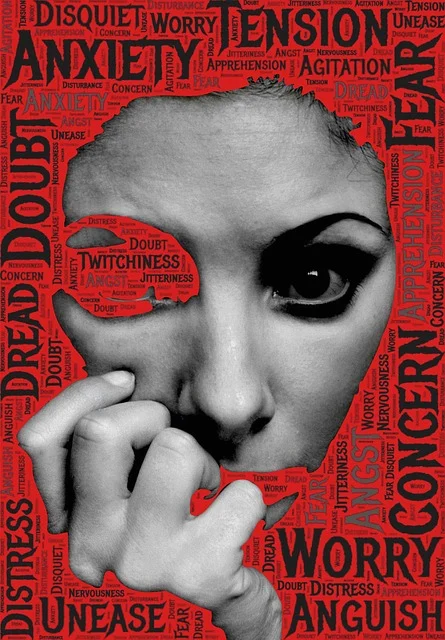
Fear feels powerful.
But fear is not permanent.
Many people believe they are “stuck” with anxiety, panic, trauma reactions, phobias, or nervous system symptoms forever. In reality, the brain is designed to learn safety just as strongly as it learns fear.
The process that makes this possible is called gradual desensitization.

This simple but powerful method is how the nervous system slowly unlearns fear and returns to calm.
What Is Gradual Desensitization?
Gradual desensitization is a brain-retraining process that reduces fear by slowly and safely exposing the nervous system to what it fears — without forcing, flooding, or overwhelming.
Instead of avoiding triggers, you meet them gently, in small steps, until the brain stops treating them as danger.
It works because:
- The brain cannot stay afraid of something that repeatedly proves to be safe.
- Safety learning replaces fear learning.
Gradual desensitization is the foundation of:
- Exposure therapy
- Phobia treatment
- Panic disorder recovery
- PTSD healing
- Health anxiety recovery
- Somatic symptom healing
What Does Being Desensitized Mean?
Being desensitized means your nervous system no longer reacts with fear to something that once triggered danger.
You may still notice it —
But your body does not go into survival mode.
Desensitized does NOT mean numb.
It means calm in the presence of something that used to feel threatening.
What Is an Example of Desensitized?
Imagine someone afraid of elevators.
At first:
- Heart races
- Chest tightens
- Fear of being trapped
- Panic
After gradual desensitization:
- They ride the elevator
- Feel a little nervous
- But remain calm
- No panic
- No emergency feeling
The elevator didn’t change.
Their nervous system did.
What Is the Desensitization of the Brain?
The brain learns fear through a structure called the amygdala.
When something feels dangerous:
- Amygdala triggers fight-or-flight
- Body floods with adrenaline
- Memory stores “this is dangerous”
Desensitization rewires this system by teaching:
“I was exposed and nothing bad happened.”
Each safe exposure weakens the fear pathway and strengthens the safety pathway.
This is called neuroplasticity — the brain’s ability to change.
Why Avoidance Makes Fear Stronger
Avoidance teaches the brain:
“This is dangerous — I survived by avoiding it.”
So fear grows.
Every time you avoid:
- The brain never gets proof of safety
- Fear remains locked in
Gradual exposure gives the brain new evidence.
How Fear Gets Stored in the Nervous System
Fear isn’t just a thought.
It is a body memory.
The nervous system stores:
- Panic
- Trauma
- Stress
- Pain
- Threat
That is why fear can show up as:
- Dizziness
- Tight chest
- Nausea
- Shortness of breath
- Tingling
- Weakness
Gradual desensitization teaches the body:
“These sensations are safe.”
How Gradual Desensitization Works
It follows 5 steps:
- Identify the trigger
- Start with the smallest safe exposure
- Stay long enough for fear to rise and fall
- Repeat until fear decreases
- Move up slowly
This trains the nervous system to calm itself.
Example: Panic Disorder
Trigger: Fast heartbeat
Step 1: Sit and notice your heartbeat
Step 2: Walk lightly to raise heart rate
Step 3: Let heart beat fast
Step 4: Stay with it
Step 5: Brain learns it is safe
Eventually:
Fast heartbeat = no fear
Example: Health Anxiety
Trigger: Body sensations
Instead of checking:
- You allow sensations
- You do not Google
- You do not seek reassurance
The brain learns:
“I am safe even with these feelings.”
Fear fades.
Example: Trauma
Trigger: Loud sounds
Start:
- Soft noise exposure
- Safe environment
- Gentle repetition
Over time:
- The brain stops reacting
- Trauma loosens
Why Gradual Is Important
Flooding (forcing fear) can backfire.
Gradual desensitization works because:
- It feels manageable
- It avoids overwhelm
- It builds confidence
- It teaches safety
The nervous system must feel safe enough to learn.
How Long Does Desensitization Take?
This depends on:
- How long fear existed
- How intense it is
- How consistent exposure is
Some feel relief in weeks.
Others take months.
The brain learns through repetition, not force.
Why Setbacks Are Normal
Fear will spike sometimes.
That does not mean failure.
It means the nervous system is learning.
Healing is not linear.
Common Mistakes
• Avoiding exposure
• Seeking reassurance
• Checking symptoms
• Quitting too early
• Forcing instead of allowing
These keep fear alive.
Why This Works for Physical Symptoms
Somatic symptoms are caused by fear.
Expose yourself to:
- Sensations
- Symptoms
- Triggers
Without fighting them.
Your body learns safety — symptoms fade.
You Are Not Broken
Your nervous system learned fear.
It can learn safety.
Gradual desensitization is not about bravery —
It is about retraining your brain.
FAQ
Q: Can desensitization cure anxiety?
Yes, it retrains the nervous system to stop overreacting.
Q: Does fear go away permanently?
When the brain learns safety, fear no longer triggers panic.
Q: Is exposure dangerous?
No — when done gradually and safely, it is how the brain heals.