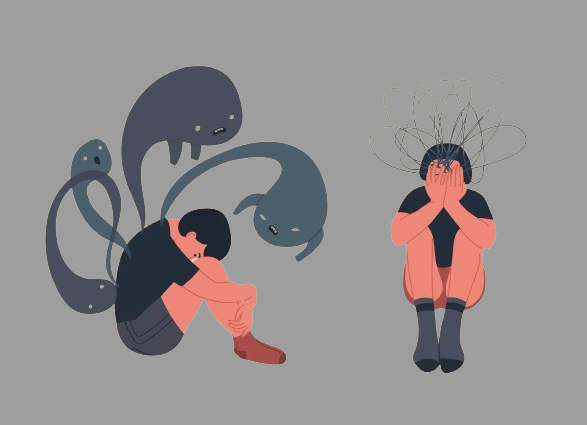
Generalized anxiety vs constant fear is a topic many people search when they experience persistent worry, tension, or a feeling that something bad might happen. While anxiety and fear are closely related emotions, they are not exactly the same. Many people struggle to understand whether they are experiencing a normal stress response, ongoing anxiety, or a deeper mental health condition.
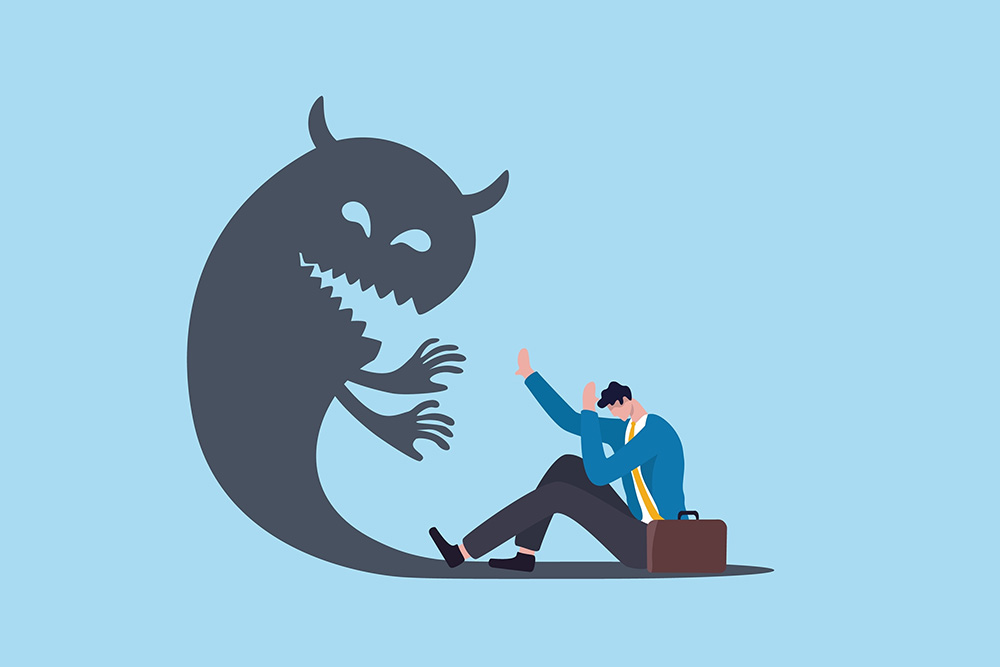
In modern life, feelings of worry and fear are becoming increasingly common. Fast-paced lifestyles, information overload, social pressures, and uncertainty about the future can all contribute to emotional distress. However, distinguishing between generalized anxiety and constant fear is important because each can affect your thoughts, emotions, and daily functioning in different ways.
Understanding Anxiety and Fear
Anxiety and fear are both natural emotional responses designed to protect us from danger. They activate the body’s stress response, preparing us to respond to threats.
However, the experience and triggers of anxiety and fear differ significantly.
What Is Fear?
Fear is a response to an immediate and identifiable threat. For example:
- Seeing a dangerous animal
- Hearing a loud explosion
- Being in a risky situation
Fear is short-term and specific. Once the threat disappears, the feeling usually fades.
Key Characteristics of Fear
- Triggered by a clear danger
- Intense but short-lived
- Focused on the present moment
- Activates fight-or-flight response
Fear is an essential survival mechanism that helps humans respond quickly to threats.
What Is Anxiety?
Anxiety, on the other hand, is more complex. It involves anticipation of future threats or uncertainty rather than an immediate danger.
People with anxiety may worry about:
- Health
- Relationships
- Work performance
- Finances
- Everyday responsibilities
Unlike fear, anxiety can persist even when there is no immediate threat present.
Key Characteristics of Anxiety
- Often triggered by uncertainty
- Long-lasting
- Future-oriented
- Involves excessive worry
When anxiety becomes persistent and difficult to control, it may develop into generalized anxiety disorder (GAD).
Generalized Anxiety vs Constant Fear
Understanding generalized anxiety vs constant fear requires examining the emotional, cognitive, and physical differences between the two experiences.
While both involve distress and heightened alertness, they arise from different psychological processes.
| Feature | Generalized Anxiety | Constant Fear |
|---|---|---|
| Trigger | Often unclear or multiple worries | Usually perceived threat |
| Duration | Long-term and chronic | Can feel ongoing but often linked to perceived danger |
| Thought Patterns | Excessive worrying about many areas of life | Persistent feeling that something bad will happen |
| Physical Symptoms | Muscle tension, fatigue, restlessness | Rapid heartbeat, sweating, hypervigilance |
| Emotional Experience | Worry and unease | Intense dread or alarm |
Generalized anxiety is often diffuse and broad, while constant fear tends to involve a persistent sense of danger or threat.
Symptoms of Generalized Anxiety Disorder
Generalized anxiety disorder involves excessive worry that occurs most days for several months or longer.
Common symptoms include:
Persistent Worry
People with GAD often find it difficult to stop worrying, even when they realize their concerns may be unrealistic.
Restlessness
Many individuals feel constantly on edge or unable to relax.
Difficulty Concentrating
Anxiety can make it difficult to focus, leading to mental fatigue and reduced productivity.
Muscle Tension
Chronic anxiety frequently causes physical tension, particularly in the neck, shoulders, and jaw.
Sleep Problems
People with generalized anxiety often struggle with:
- Difficulty falling asleep
- Frequent waking
- Restless sleep
Irritability
Long-term anxiety can reduce emotional tolerance, making people more easily frustrated.
What Constant Fear Feels Like
Constant fear can feel like living in a state of permanent alertness, as if danger is always nearby.
People experiencing constant fear may feel:
- A persistent sense of dread
- Strong anticipation that something bad will happen
- Heightened sensitivity to potential threats
This experience often overlaps with trauma responses or chronic stress.
Emotional Experience
Emotionally, constant fear may feel overwhelming. People often describe it as:
- A feeling of impending doom
- Difficulty relaxing
- Emotional exhaustion
Physical Experience
Constant fear can create intense physical reactions such as:
- Rapid heartbeat
- Shortness of breath
- Sweating
- Shaking
- Muscle tightness
These reactions occur because the body remains in a prolonged fight-or-flight state.
Behavioral Changes
People experiencing constant fear may develop avoidance behaviors such as:
- Avoiding social situations
- Staying in safe environments
- Overchecking for safety
These behaviors can reinforce the fear response over time.
Is GAD a Lifelong Condition?
One common concern people have is whether generalized anxiety disorder lasts forever.
The answer is not necessarily.
While GAD can be a chronic condition, many individuals learn effective strategies to manage their symptoms and lead fulfilling lives.
Factors That Influence Recovery
Several factors affect how anxiety develops and improves:
- Access to mental health support
- Personal coping skills
- Lifestyle habits
- Stress levels
With appropriate treatment and self-care, many people experience significant improvement.
Why Does Everyone Have Anxiety Now?
In recent years, anxiety has become one of the most common mental health challenges worldwide.
Several modern factors contribute to this trend.
Information Overload
Constant exposure to news, social media, and online information can overwhelm the brain, increasing worry and stress.
Social Comparison
Social media platforms often create unrealistic expectations about success, appearance, and lifestyle.
This can lead to feelings of inadequacy and anxiety.
Economic and Career Pressure
Financial instability and career uncertainty contribute to chronic stress for many individuals.
Global Uncertainty
Events such as pandemics, political conflict, and environmental concerns can increase collective anxiety.
Reduced Social Connection
Ironically, technology can sometimes reduce meaningful social interaction, which is important for emotional support.
How to Stop Constant Anxiety
While anxiety can feel overwhelming, there are many effective ways to manage it.
Developing healthy coping strategies can significantly improve emotional well-being.
Cognitive Behavioral Techniques
Cognitive behavioral therapy (CBT) helps people identify and challenge unhelpful thought patterns.
By replacing catastrophic thinking with realistic perspectives, anxiety can gradually decrease.
Breathing Exercises
Slow breathing techniques can calm the nervous system.
One effective method is box breathing:
- Inhale for four seconds
- Hold for four seconds
- Exhale for four seconds
- Pause for four seconds
Repeating this cycle helps regulate stress responses.
Mindfulness and Meditation
Mindfulness encourages awareness of the present moment instead of worrying about the future.
Regular meditation can reduce anxiety levels over time.
Physical Activity
Exercise releases natural mood-boosting chemicals that help reduce stress.
Activities such as walking, yoga, and swimming can improve emotional resilience.
Reducing Stimulants
High intake of caffeine or energy drinks can worsen anxiety symptoms.
Limiting stimulants may help stabilize mood.
Can a Person With Generalized Anxiety Disorder Live a Normal Life?
Yes. Many individuals with generalized anxiety disorder live successful, meaningful lives.
With the right strategies and support, anxiety can become manageable rather than overwhelming.
Building Healthy Coping Skills
Learning effective coping techniques helps people handle stress more confidently.
Examples include:
- Emotional regulation
- Stress management
- Healthy communication
Therapy and Support
Professional therapy can help individuals understand their anxiety patterns and develop personalized strategies for improvement.
Support groups can also provide a sense of connection and shared understanding.
Lifestyle Habits
Healthy routines support mental well-being:
- Regular sleep schedule
- Balanced nutrition
- Physical activity
- Social interaction
Small lifestyle adjustments can have a significant impact on emotional health.
When to Seek Professional Help
Occasional anxiety is normal, but professional support may be helpful if anxiety:
- Interferes with daily life
- Causes panic attacks
- Leads to persistent fear or avoidance
- Disrupts sleep or relationships
Mental health professionals can provide therapy, coping strategies, and treatment options tailored to individual needs.
Recovery and Long-Term Mental Health
Managing anxiety is often an ongoing process rather than a quick fix. However, people can develop resilience and emotional strength over time.
Building long-term mental health involves:
- Self-awareness
- Healthy coping mechanisms
- Support networks
- Balanced lifestyle habits
By understanding the difference between generalized anxiety vs constant fear, individuals can better recognize their experiences and take steps toward improved mental well-being.
Conclusion
Understanding generalized anxiety vs constant fear can help people recognize what they are experiencing and why. Fear typically arises in response to immediate danger, while generalized anxiety involves persistent worry about potential future problems.
Both experiences can be challenging, but they are also manageable with the right strategies. By learning about anxiety, practicing healthy coping techniques, and seeking support when needed, individuals can regain a sense of stability and control.
Mental health challenges do not define a person’s future. With knowledge, support, and patience, it is possible to reduce anxiety, strengthen emotional resilience, and build a balanced and fulfilling life.