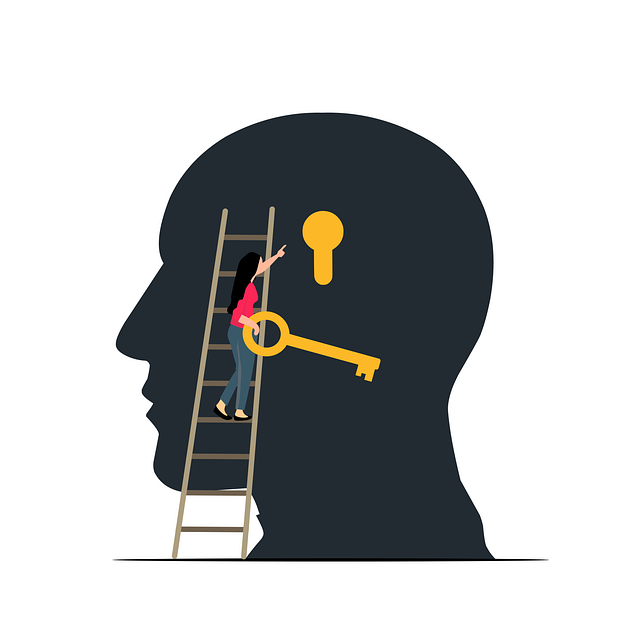
Emotional regulation is the ability to understand, manage, and respond to your emotions in a healthy and balanced way. It plays a crucial role in how we handle stress, interact with others, and make decisions in everyday life.
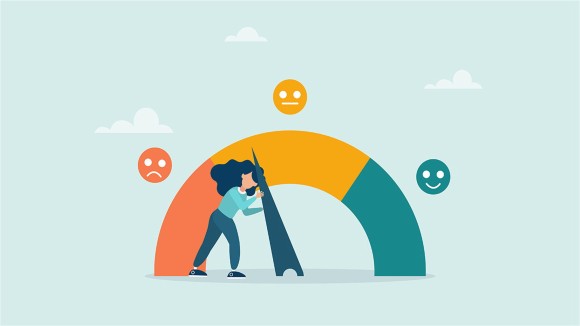
When emotional regulation is strong, individuals can stay calm under pressure, think clearly, and respond thoughtfully. However, when it is weak, it can lead to emotional outbursts, impulsive behavior, and strained relationships.
What is Emotional Regulation?
In psychology, emotional regulation refers to the processes through which individuals influence:
- Which emotions they experience
- When they experience them
- How they express those emotions
It is a core part of emotional intelligence and mental well-being.
Why Emotional Regulation is Important
Strong emotional regulation helps in:
1. Better Relationships
- Improves communication
- Reduces conflict
2. Mental Health Stability
- Prevents anxiety and depression
- Promotes emotional balance
3. Improved Decision-Making
- Helps think rationally
- Reduces impulsivity
Emotional Regulation Skills
Developing emotional regulation skills is essential for managing life’s challenges.
Key Skills Include:
- Emotional awareness – recognizing your feelings
- Impulse control – pausing before reacting
- Cognitive reframing – changing negative thoughts
- Emotional acceptance – allowing feelings without judgment
What Causes Poor Emotional Regulation?
Several factors can contribute to emotional difficulties:
1. Childhood Experiences
- Lack of emotional support
- Exposure to conflict or trauma
2. Trauma
- Past emotional or psychological wounds
3. Chronic Stress
- Ongoing pressure overwhelms coping ability
4. Brain Function
- Differences in emotional processing
Emotional Dysregulation ADHD
Emotional dysregulation ADHD is common in individuals with ADHD.
Common Signs:
- Intense emotional reactions
- Difficulty calming down
- Impulsive behavior
This can affect:
- Relationships
- Work or school performance
Signs of Emotional Dysregulation
- Sudden mood swings
- Anger outbursts
- Overreacting to situations
- Difficulty managing stress
Emotional Regulation Techniques
Practical emotional regulation techniques can help regain control.
1. Deep Breathing
- Calms the nervous system
2. Mindfulness
- Focuses on the present moment
3. Cognitive Reframing
- Changing negative thoughts
4. Grounding Techniques
- Bringing attention to the present
Emotional Self Regulation
Emotional self regulation is the ability to manage emotions independently.
How to Build It:
- Practice self-awareness
- Develop coping strategies
- Reflect on emotional triggers
Emotional Regulation for Teens
Emotional regulation for teens is especially important due to developmental changes.
Challenges:
- Hormonal shifts
- Identity development
- Peer pressure
Tips:
- Encourage open communication
- Teach coping skills
- Provide emotional support
What are the 4 R’s of Emotional Regulation?
The 4 R’s provide a simple framework:
- Recognize – Identify the emotion
- Reflect – Understand the cause
- Respond – Choose a reaction
- Regulate – Manage the emotion effectively
What are the 5 Stages of Emotional Regulation?
According to psychology, the 5 stages include:
- Situation selection
- Situation modification
- Attention deployment
- Cognitive change
- Response modulation
Psychological Impact of Poor Emotional Regulation
Poor emotional control can lead to:
- Anxiety
- Depression
- Relationship conflicts
- Low self-esteem
How to Improve Emotional Regulation
Daily Habits:
- Maintain a routine
- Get enough sleep
- Exercise regularly
Mental Practices:
- Journaling
- Meditation
- Positive self-talk
Therapy for Emotional Regulation
Professional support can be highly effective.
1. Cognitive Behavioral Therapy (CBT)
- Changes negative thought patterns
2. Dialectical Behavior Therapy (DBT)
- Focuses on emotional control
3. Counseling
- Provides guidance and support
When to Seek Professional Help
Consider therapy if:
- Emotions feel overwhelming
- You struggle with daily functioning
- Relationships are affected
Conclusion
Emotional regulation is a vital life skill that affects every aspect of your mental and emotional well-being. By developing strong emotional regulation skills, practicing effective emotional regulation techniques, and seeking support when needed, you can gain better control over your emotions.
Remember:
Emotions are natural
Control is learnable
Growth is possible
If you struggle with managing your emotions, professional therapy can help you build healthier emotional patterns and improve your quality of life.