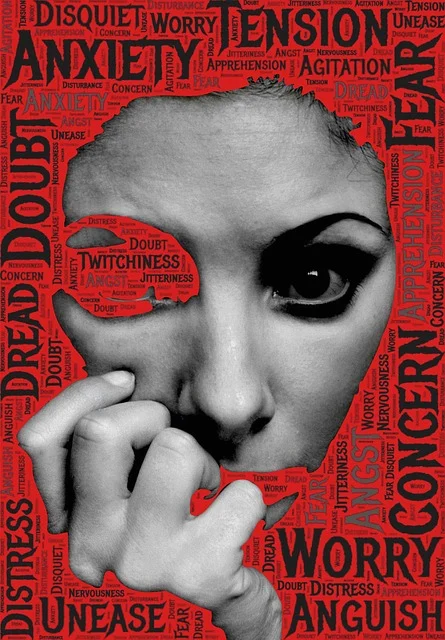
Quick AnswerConversion disorder, clinically classified as Functional Neurological Symptom Disorder (FND), causes real neurological symptoms such as paralysis, seizures, tremors, or blindness without an underlying structural disease. It is the nervous system’s involuntary response to overwhelming psychological or physiological stress. These symptoms are not faked, and most patients improve with targeted psychotherapy and neurological rehabilitation. |
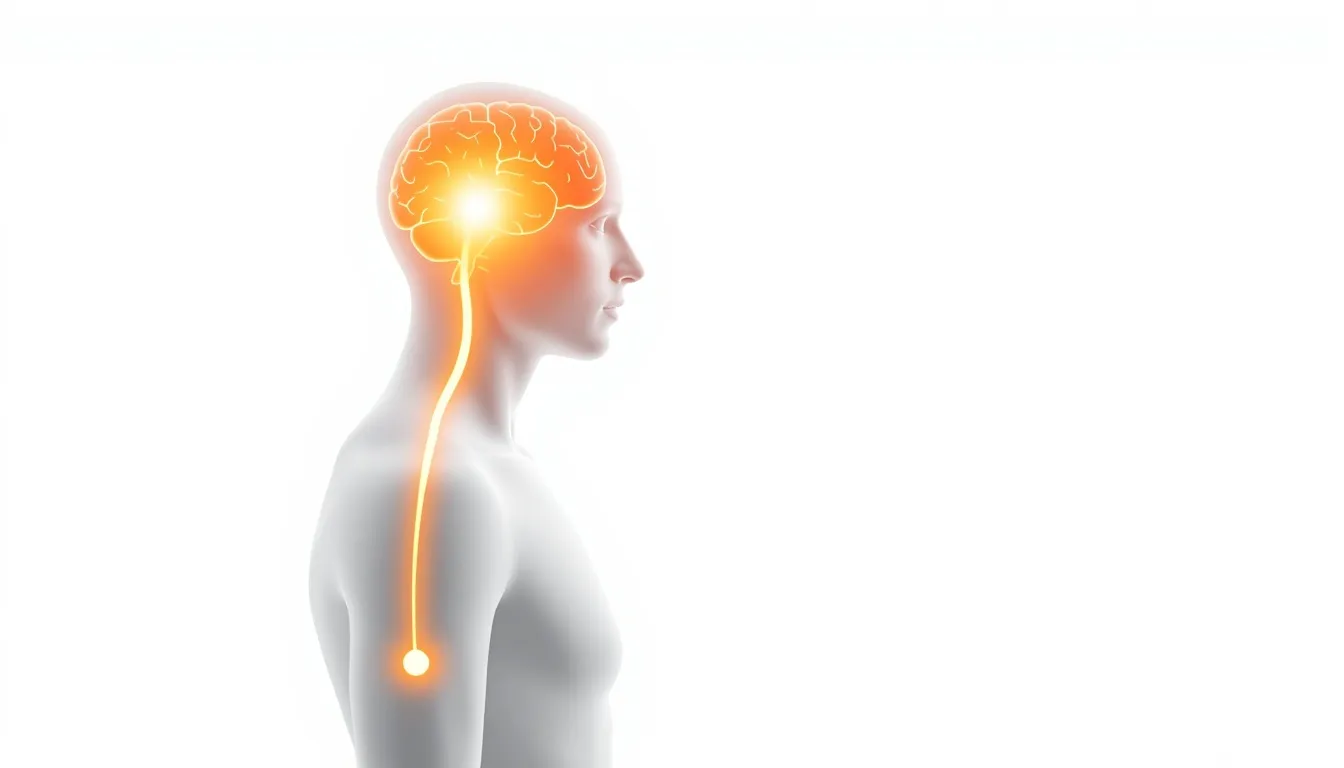
Conversion disorder, now formally recognized in the DSM-5-TR as Functional Neurological Symptom Disorder (FND), is a condition where acute psychological stress or emotional conflict translates into real, involuntary physical symptoms. Even when brain scans (MRIs), EEGs, and nerve-conduction tests show no structural damage, the nervous system essentially “short-circuits,” misfiring signals between the brain and the body.
The resulting conversion disorder symptoms are never imagined, exaggerated, or consciously controlled. They are profoundly distressing and frequently disabling. In fact, FND is currently recognized as one of the most common conditions encountered in modern neurology clinics. Current epidemiological data shows a prevalence of 80 to 140 per 100,000 people, with a strong female predominance of roughly 70%. Despite its prevalence, it remains one of the most misunderstood diagnoses in the medical system, leaving many patients feeling dismissed or confused by their symptoms.
This comprehensive clinical guide explains the top 10 symptoms of conversion disorder, the underlying biopsychosocial causes, exactly how neurologists confirm the diagnosis, and the timeline for recovery.
What Is Conversion Disorder (FND)?
In the DSM-5-TR, conversion disorder is categorized under Somatic Symptom and Related Disorders and is coded in the ICD-10 as F44. It occurs when a person develops sudden neurological deficits that cannot be explained by a traditional medical or neurological disease.
From a clinical perspective, the brain is not “faking” the illness. The leading scientific framework, the biopsychosocial model, suggests that the nervous system involuntarily reroutes overwhelming emotional tension into physical expressions. It is a maladaptive survival mechanism where the body absorbs the shock that the mind cannot process.
Key Characteristics:
- Sudden onset, frequently following a period of acute emotional or physical trauma.
- Symptoms that fluctuate, often worsening under stress or direct attention.
- Standard medical testing (blood work, imaging) returns completely normal results.
- Symptoms cause severe impairment in daily occupational or social functioning.
The Top 10 Conversion Disorder Symptoms
The presentation of FND varies wildly from patient to patient. Below are the 10 most common conversion disorder symptoms reported in clinical settings. Severity ranges from mild, intermittent disruptions to chronic, debilitating episodes.
1. Motor Weakness or Paralysis
The most recognizable presentation is a sudden, terrifying inability to move an arm, leg, or one entire side of the body. To the patient, the limb feels dead or disconnected, despite muscle strength and nerve-conduction findings appearing completely normal to a doctor. This symptom often mimics a stroke, complete with facial drooping. However, a neurologist will look for specific clinical markers, such as Hoover’s sign (where the “paralyzed” leg unconsciously extends when the patient flexes their healthy leg), to confirm a functional, rather than structural, origin.
2. Psychogenic Non-Epileptic Seizures (PNES)
PNES closely resemble epileptic seizures, presenting with violent shaking, unresponsiveness, and post-episode confusion. However, they are not caused by the abnormal brain electrical discharges that define true epilepsy. A key clinical clue during an episode is that the patient’s eyes are frequently tightly closed, whereas they generally remain open during epileptic events. Because the visible signs are so similar, many patients are misdiagnosed with epilepsy and prescribed ineffective medications before understanding the true what causes psychogenic non-epileptic seizures (PNES) behind their attacks.
3. Abnormal Gait or Difficulty Walking
Mobility can become profoundly disrupted. Walking patterns may become stiff, highly uncoordinated, jerky, or accompanied by a dramatic limp. In severe cases, the patient may lose the ability to stand entirely. A hallmark feature of functional gait is that the patient’s balance and movement often improve when they are heavily distracted by another cognitive task, but severely deteriorate when they consciously focus on trying to walk normally.
4. Sensory Loss or Numbness
Patients may experience sudden, dense numbness on one side of their body, a total loss of temperature sensation, or an inability to feel pain in a specific limb. Diagnostically, this sensory loss frequently does not match the actual anatomical distribution of nerve pathways. This anatomical mismatch is a primary signal to neurologists that the nervous system’s “software” is malfunctioning, rather than the hardware being broken.
5. Tremors or Involuntary Movements
Shaking, twitching, and whole-body trembling are extremely common conversion disorder symptoms. While these movements are entirely real, they differ physiologically from a Parkinsonian or essential tremor. During an exam, a neurologist will perform an entrainment test, asking the patient to tap a specific rhythm with their healthy hand. In FND, the functional tremor will often inadvertently match the new rhythm or stop entirely, proving the tremor is functional and connected to the brain’s attention center.
6. Speech Difficulties (Functional Dysphonia)
Sudden speech disruptions can manifest as severe stuttering, slurred words, a sudden drop to a whisper-only voice, or psychogenic aphonia (the total inability to speak). This often occurs immediately following an emotional shock or a severe interpersonal conflict where the patient felt silenced or unable to express their true feelings.
7. Non-Epileptic Fainting or Blackouts
Patients may experience sudden fainting spells or a temporary loss of physical strength, leading them to collapse without any cardiac or circulatory cause. These blackouts are deeply intertwined with the body’s acute stress response. Often, a profound feeling of unreality or detachment precedes the fainting spell, making it crucial to understand the causes of dissociation episodes to predict and manage these events.
8. Swallowing Difficulties (Globus Sensation)
Globus sensation is the persistent, uncomfortable feeling of a lump in the throat that makes swallowing feel impossible, despite imaging showing a completely clear airway. It is one of the least discussed but most frequently experienced conversion symptoms, acting as a physical manifestation of high-functioning anxiety and suppressed emotional expression.
9. Functional Vision Problems
Vision symptoms can include intense blurring, double vision, tunnel vision, or even temporary total blindness. For the patient, losing their sight suddenly is a deeply traumatic experience. However, neuro-ophthalmologists can confirm through pupillary reflex testing that the eyes and optic nerves are fully intact. The prognosis for functional vision loss is highly optimistic, with sight typically returning once the nervous system regulates.
10. Emotional Dysregulation & System Overload
While conversion disorder is characterized by physical deficits, chronic emotional dysregulation is the engine driving the condition. Patients endure heightened physiological arousal, extreme stress sensitivity, and emotional numbing. The physical symptoms are the end result of a nervous system that has been stuck in “fight, flight, or freeze” for too long without relief.
What Causes Conversion Disorder?
Conversion disorder rarely stems from a single factor; it is typically the culmination of a system overloaded by stress, trauma, or internal conflict.
- Trauma (Especially Childhood Trauma): Physical, emotional, or sexual trauma alters how the developing brain processes threat. The nervous system becomes conditioned to route distress into physical symptoms rather than verbalizing pain. Engaging in trauma-informed therapy is vital for healing from childhood trauma to permanently untangle this trauma-to-body response.
- Chronic Stress & Burnout: Unlike a single acute shock, sustained pressure from caregiving, toxic work environments, or relationship instability slowly degrades the nervous system’s regulatory capacity until the system forces a physical “shutdown.”
- Internal Emotional Conflict: When a person is trapped in an emotional paradox, such as immense suppressed anger toward a loved one they also care for, the mind may convert that forbidden emotion into a physical symptom to avoid consciously processing the conflict.
Diagnostic Transparency: How Doctors Test for FND
Many patients endure months of terrifying uncertainty, bouncing between specialists to find out what is failing in their bodies. Modern diagnosis requires a collaborative approach between neurology and psychiatry.
It is no longer a “diagnosis of exclusion” (meaning doctors just rule everything else out and guess it is FND). Today, neurologists look for positive clinical signs:
- Rule Out Structural Disease: An MRI is used to rule out brain lesions or strokes, while an EEG is used to ensure no epileptic electrical storms are occurring in the brain.
- Positive Functional Tests: The doctor will use Hoover’s Sign for leg weakness or tremor entrainment tests to confirm the symptoms behave according to functional, attention-driven pathways rather than structural damage.
- Psychological Profiling: A psychiatrist evaluates the DSM-5-TR criteria, exploring the timeline of symptom onset and any overlapping emotional distress.
The Stigma: Why FND is NEVER “Faking It”
One of the most painful aspects of experiencing conversion disorder symptoms is the skepticism patients face from friends, family, and occasionally, uneducated healthcare professionals.
Is conversion disorder the same as faking it? Absolutely not.
FND is an entirely involuntary condition. The patient has zero conscious control over the paralysis, the seizures, or the blindness. This is clinically and fundamentally different from malingering (consciously faking an illness for financial or legal gain) or factitious disorder (consciously producing symptoms to receive attention and assume a “sick role”). Treating an FND patient as if they are faking their symptoms causes immense psychological harm and actively worsens their condition by increasing their stress load.
Treatment Timelines & Proven Therapies
Because FND sits at the intersection of neurology and psychology, effective treatment requires a dual-track approach. Healing the mind without retraining the body, or vice versa, rarely results in long-term success.
- Cognitive Behavioral Therapy (CBT): CBT is the gold standard for treating the underlying anxiety driving FND. Patients learn to identify their specific symptom triggers and dismantle the fear-avoidance cycles that keep the nervous system on high alert. To see durable changes in neuroplasticity, applying Cognitive Behavioral Therapy techniques usually requires a committed timeline of 12 to 16 weeks of consistent sessions.
- Specialized Physical Therapy: Traditional physical therapy builds muscle strength; FND physical therapy focuses on “rewiring” brain-to-body communication. Therapists use distraction techniques to trick the brain into allowing normal movement patterns again.
- Trauma Processing (EMDR): Eye Movement Desensitization and Reprocessing (EMDR) helps patients safely process the root traumatic memories that originally taught the nervous system to express pain physically.
- Medication Management: While there is no “FND pill,” psychiatrists often prescribe SSRIs or SNRIs to lower the baseline severity of co-occurring depression, anxiety, or insomnia, giving the patient the energetic bandwidth required to participate in therapy.

Outlook and Realistic Recovery
The prognosis for conversion disorder is generally encouraging, but it requires managing expectations. When diagnosed early and treated with a multidisciplinary approach, many patients experience a total remission of symptoms within a few months.
However, for patients who went years without a proper diagnosis, or those living in continually stressful environments, FND can take on a chronic, relapsing-remitting course. The goal of treatment in these cases shifts from a “quick cure” to symptom management, giving the patient the tools to recognize an impending flare-up and regulate their nervous system before the physical symptoms escalate.
Frequently Asked Questions (FAQ)
Is conversion disorder the same as Functional Neurological Disorder (FND)?
Yes. “Conversion disorder” is the historical terminology, while “Functional Neurological Symptom Disorder (FND)” is the modern, clinically accurate term used in the DSM-5-TR to describe the exact same condition.
Can stress and anxiety alone really cause paralysis or seizures?
Yes. When the nervous system’s capacity to handle psychological stress is breached, it can involuntarily disrupt motor or sensory functions as a radical defense mechanism, completely independent of any physical nerve damage.
How can a doctor confidently diagnose FND if my MRI is normal?
Neurologists do not diagnose FND solely because a scan is normal. They utilize specific physical exams (like Hoover’s sign or reflex testing) that actively prove the motor pathways are intact but the functional “software” communicating with the limb is temporarily malfunctioning.
What is the difference between conversion disorder and somatic symptom disorder?
Conversion disorder strictly involves neurological deficits (blindness, paralysis, seizures). Somatic symptom disorder involves chronic, distressing physical symptoms of any kind (like joint pain or severe fatigue) paired with intense, disproportionate anxiety regarding those physical sensations
Medical Disclaimer & E-E-A-T AttributionThis article is for educational purposes and does not replace personalized medical or psychological advice. If you are recovering from a brain injury, trauma, or a mental health condition, work with a licensed clinician to build a plan suited to your situation. Written by: Adil Farooq, Psychiatry Magazine Medically reviewed by: [Dr. Adil Farooq MS · PhD] · Updated: 2026 |