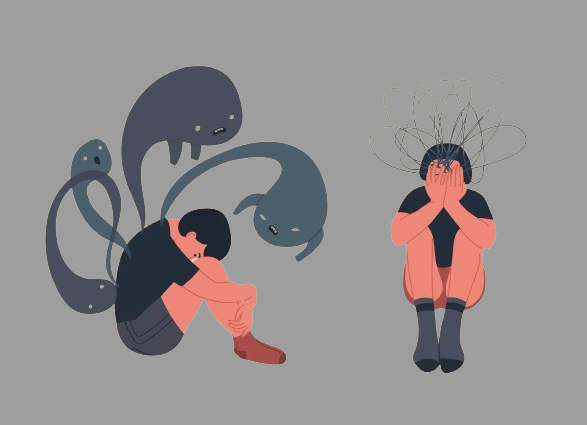
constant uneasiness psychology :Feeling uneasy for a moment is part of being human. Life is uncertain, emotions fluctuate, and stress comes and goes. But when that uneasy feeling never seems to leave — when your mind is always on edge and your body feels tense even during calm moments — it can become deeply confusing and exhausting.
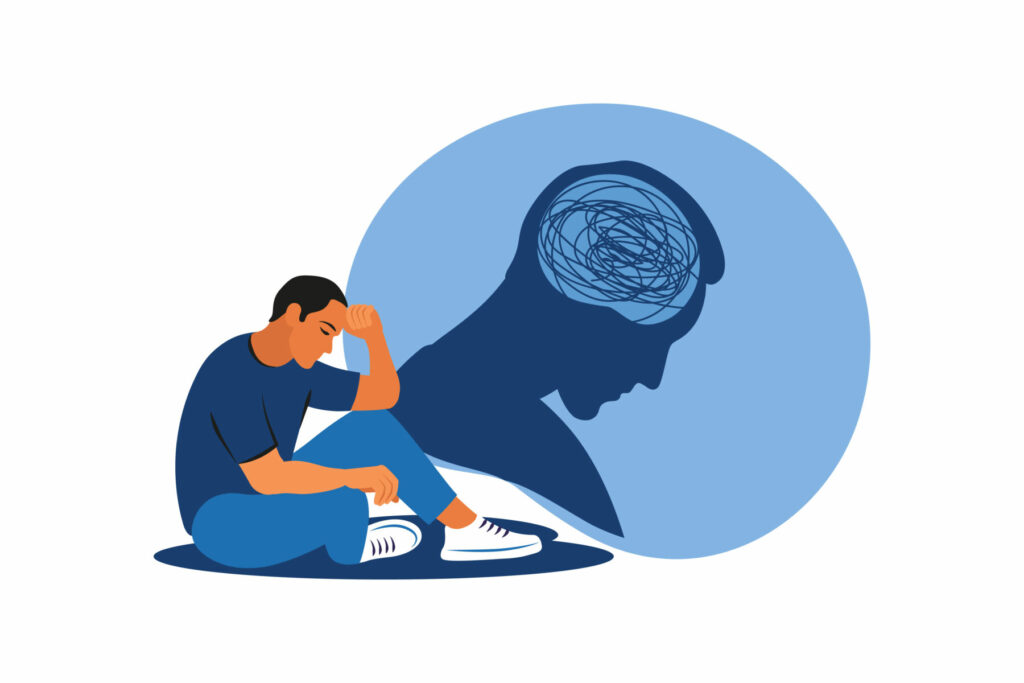
This persistent state of discomfort is often described as constant uneasiness. In psychology, constant uneasiness is not a diagnosis on its own, but it is a very real psychological experience that affects millions of people worldwide. Many individuals live with this feeling without fully understanding why it happens or how to make sense of it.
Why am I constantly feeling uneasy?
One of the most frustrating aspects of constant uneasiness is that it often appears without an obvious cause. Nothing bad is happening, yet your body and mind feel as if something is wrong.
From a psychological perspective, constant uneasiness usually comes from a mismatch between perceived safety and internal alarm systems.
The brain’s threat system stays active
Your brain is designed to protect you. When it senses danger, it activates the fight-or-flight response. However, in some people, this system becomes overactive, even when no immediate threat exists. This can create a lingering sense of unease, tension, or anticipation.
Hypervigilance and overthinking
People who experience constant uneasiness often:
- Scan their environment for potential problems
- Overanalyze conversations and decisions
- Feel unable to fully relax
- Expect something bad to happen
This state of mental alertness is called hypervigilance, and it keeps the nervous system from settling down.
Emotional suppression
Psychology also shows that unprocessed emotions — such as grief, anger, fear, or disappointment — don’t disappear when ignored. Instead, they often surface as vague discomfort, restlessness, or uneasiness.
Learned anxiety patterns
If you’ve spent long periods in stressful, unpredictable, or emotionally unsafe environments, your brain may have learned that “being on edge” is normal. Even when life improves, the body continues reacting as if danger is still present.
What causes chronic anxiety?
Constant uneasiness is closely linked to chronic anxiety, but they are not exactly the same. Chronic anxiety refers to long-lasting anxiety that persists for months or years, while constant uneasiness is often the felt experience of that anxiety.
Psychological causes of chronic anxiety include:
1. Long-term stress exposure
Ongoing stress — whether emotional, financial, relational, or occupational — keeps the nervous system activated for too long.
2. Nervous system dysregulation
When the body doesn’t return to a calm state after stress, anxiety becomes the baseline rather than the exception.
3. Cognitive distortions
Persistent anxious thinking patterns such as:
- Catastrophizing
- Overgeneralizing
- Mind-reading
- Fear of uncertainty
These thought patterns reinforce uneasiness even when there’s no real danger.
4. Early life experiences
Psychology shows that childhood environments shape emotional regulation. Growing up in unpredictable, critical, or unsafe environments can program the brain to expect threat.
5. Fear of internal sensations
Many people become anxious about feeling anxious. This creates a feedback loop where fear of uneasiness keeps the uneasiness alive.
What are 10 types of anxiety disorders?
Understanding anxiety disorders helps explain why constant uneasiness can feel different for different people. Not everyone with uneasiness has a disorder, but these conditions illustrate how anxiety can manifest.
- Generalized Anxiety Disorder (GAD) – persistent worry and uneasiness about daily life
- Panic Disorder – sudden panic attacks and fear of future attacks
- Social Anxiety Disorder – fear of judgment or embarrassment
- Specific Phobias – intense fear of particular objects or situations
- Agoraphobia – fear of situations where escape feels difficult
- Obsessive-Compulsive Disorder (OCD) – intrusive thoughts and compulsions
- Post-Traumatic Stress Disorder (PTSD) – anxiety linked to traumatic experiences
- Separation Anxiety Disorder – fear of separation from attachment figures
- Health Anxiety – excessive worry about physical health
- Adjustment Disorder with Anxiety – anxiety following major life changes
Notably, constant uneasiness can exist without fitting neatly into any category, which is why many people struggle to explain what they’re feeling.
What are 5 warning signs of anxiety?
Anxiety doesn’t always announce itself loudly. Often, it shows up subtly through ongoing uneasiness.
1. Persistent physical tension
- Tight chest
- Jaw clenching
- Shallow breathing
- Restless muscles
2. Racing or looping thoughts
- Replaying conversations
- Anticipating negative outcomes
- Difficulty quieting the mind
3. Emotional irritability
- Feeling easily overwhelmed
- Reduced patience
- Sudden emotional reactions
4. Sleep disturbances
- Trouble falling asleep
- Waking up feeling tense
- Racing thoughts at night
5. Avoidance behaviors
- Avoiding decisions
- Avoiding social situations
- Avoiding rest because stillness feels uncomfortable
What is the 3-3-3 rule of anxiety?
The 3-3-3 rule is a grounding technique used to interrupt anxious spirals and reduce immediate uneasiness.
How it works:
- Name 3 things you can see
- Name 3 things you can hear
- Move 3 parts of your body
Why it helps psychologically:
- Shifts attention from internal fear to external reality
- Activates the present moment
- Reduces mental rumination
While it doesn’t cure chronic anxiety, it can lower intensity during moments of heightened uneasiness and help retrain the brain to feel safer.
Can you live with chronic anxiety?
The honest answer is: yes, people do — but that doesn’t mean they should have to suffer silently.
Many individuals function outwardly while living with constant uneasiness internally. They work, raise families, and maintain relationships, all while feeling tense beneath the surface.
Psychological impact of living with chronic anxiety:
- Emotional exhaustion
- Reduced enjoyment of life
- Difficulty feeling present
- Increased risk of burnout
Psychology emphasizes that coping is not the same as healing. While people can adapt to anxiety, long-term relief comes from understanding and addressing its roots, not just enduring it.
How psychology explains constant uneasiness
Psychology views constant uneasiness as the result of interacting systems, not a single flaw.
The nervous system perspective
When the sympathetic nervous system stays activated, the body remains in a state of readiness. Calm becomes unfamiliar, and uneasiness becomes the norm.
The cognitive perspective
Anxious thought patterns reinforce threat perception, even when evidence is minimal.
The emotional perspective
Suppressed or unresolved emotions often manifest as discomfort rather than clear sadness or fear.
The behavioral perspective
Avoidance behaviors prevent the brain from learning that situations are actually safe, keeping uneasiness alive.
How to reduce constant uneasiness naturally
Psychology supports multiple approaches that work together rather than quick fixes.
1. Increase nervous system safety
- Slow breathing
- Gentle movement
- Consistent sleep routines
2. Reduce avoidance
Facing mild discomfort gradually teaches the brain that uneasiness is tolerable and temporary.
3. Build emotional awareness
Naming emotions reduces their intensity and prevents them from surfacing as vague unease.
4. Challenge anxious thoughts
Questioning catastrophic assumptions weakens their power over time.
5. Practice self-compassion
Uneasiness often intensifies when people judge themselves for feeling it.
When to seek professional help
Professional support may be helpful if:
- Uneasiness lasts for months
- Daily functioning is affected
- Physical symptoms increase
- Self-help strategies don’t bring relief
Therapy doesn’t mean something is “wrong” with you — it means your nervous system needs support recalibrating.
Conclusion
Constant uneasiness is not weakness, laziness, or overreaction. From a psychological perspective, it is a learned response, shaped by experiences, stress, and nervous system patterns.
Understanding constant uneasiness psychology helps remove the mystery and self-blame surrounding this experience. When you recognize that your mind and body are trying — imperfectly — to protect you, the path toward calm becomes clearer.
With awareness, patience, and the right tools, uneasiness does not have to define your life. Calm isn’t something you force — it’s something you relearn.