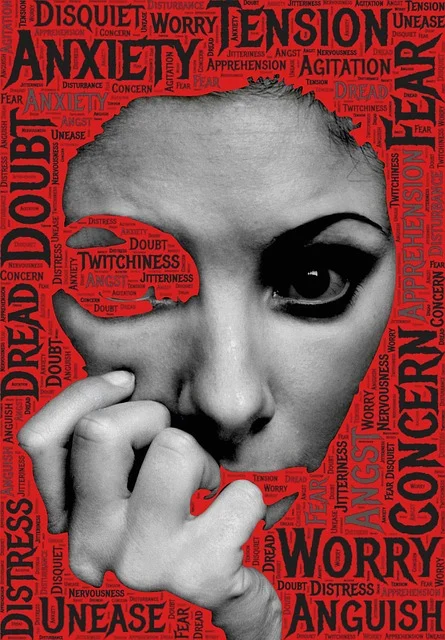
It is 2:14 in the morning, and you are suddenly wide awake. Your heart is hammering, your chest feels tight, your hands are tingling, and a wave of terror is rolling through you for no reason you can name. You were asleep a moment ago, and now your body is convinced that something terrible is happening. If this has ever happened to you, you may have experienced nocturnal panic attacks.

These night-time episodes are far more common than most people realize, and they are far less dangerous than they feel. Still, they can leave you afraid to fall asleep, exhausted the next day, and full of questions. Why did it happen while I was asleep? Is something wrong with my heart? Will it happen again?
In this guide, you will learn what nocturnal panic attacks are, how they differ from nightmares and other sleep problems, why they happen, what to do when one strikes, and how to treat them for good. This article is for education only and is not a substitute for care from a doctor or mental health professional.
What Are Nocturnal Panic Attacks?
A panic attack is a sudden surge of intense fear or discomfort that peaks within minutes and comes with powerful physical symptoms. A nocturnal panic attack is simply a panic attack that wakes you from sleep. The word nocturnal just means night-time.
What makes these attacks so unsettling is that there is usually no obvious trigger. During a daytime attack, you might at least be in a crowded store or stuck in traffic. At night, you are lying in a dark, quiet room, and your body sounds the alarm anyway.
People often describe it as being jolted out of sleep by a fear alarm. You do not drift awake slowly. You are suddenly alert, frightened, and physically overwhelmed, usually within seconds. Most episodes peak in around ten minutes, although the shaky, wired feeling afterward can last much longer.
Nocturnal panic attacks are especially common among people who also have daytime panic attacks or panic disorder, but they can appear on their own. Many people who experience them describe a period of high stress, a major life change, or simply a stretch of poor sleep beforehand. Researchers believe a large share of people with panic disorder have experienced at least one night-time attack in their lives.
The most important thing to understand is this: a panic attack is frightening, but it is not harmful on its own. Your body is reacting as though there were danger, when there is none.
What Do Panic Attacks at Night Feel Like?
If you have had one, you know how vivid the experience is. Yet many people are not sure that what they felt was a panic attack at all, especially because they were half asleep when it began.
The physical symptoms are usually the loudest. Your heart may pound or race, and you may feel short of breath or as if you cannot get enough air. Chest tightness is common, and so are sweating, trembling, nausea, dizziness, and a tingling or numb feeling in your hands and face. Some people wake up drenched in sweat or feeling hot and flushed, while others feel chilled and shaky.

The emotional symptoms can be just as intense. You may feel a sense of impending doom, a certainty that something awful is about to happen. Some people fear they are having a heart attack, going to die, or losing control. Others feel detached from their body or the room, as if the world has gone unreal, a sensation called derealization.
It helps to know that these feelings are shared by many people. A sense of dread that arrives with no clear cause, described in more detail in our guide on why you may feel impending doom without a reason, is a classic part of panic.
After the peak passes, you may be left trembling, drained, and too wired to sleep. Many people lie awake for an hour or more, listening to their heartbeat and worrying that it will come back. That worry can become its own problem, which we will explore shortly.
If you want a fuller picture of the experience, our guide to what a panic attack feels like walks through the typical symptoms, triggers, and recovery.
Nocturnal Panic Attacks vs Nightmares, Night Terrors and Other Night-Time Problems
Waking up scared does not always mean a panic attack. Several different things can jolt you awake, and telling them apart can point you toward the right help.
Nightmares
Nightmares are frightening dreams that usually happen during REM sleep, which is the stage when most vivid dreaming occurs. When you wake from a nightmare, you can typically remember the dream in detail, and your fear is tied to its story. With a nocturnal panic attack, you often wake with intense fear but no dream to explain it.
Night terrors
Night terrors happen during deep, non-REM sleep and are most common in children. A person having one may scream, thrash, or sit up with their eyes open, yet they are not truly awake and usually remember nothing in the morning. In contrast, someone having a nocturnal panic attack wakes fully, remembers the episode clearly, and feels frightened afterward.
Sleep apnea
Obstructive sleep apnea causes repeated pauses in breathing during sleep. People may wake gasping or choking, often with a dry mouth or headache, and a partner may notice loud snoring. Because the experience can feel like a panic attack, it is worth asking a doctor about sleep apnea if you wake up struggling to breathe, snore heavily, or feel tired all day.
Acid reflux and other body causes
Gastroesophageal reflux can cause burning chest pain and a choking feeling at night. An overactive thyroid, low blood sugar, heart rhythm problems, and certain medications can also cause racing hearts or sudden alarm during sleep. These conditions are another reason to see a doctor, especially for a first episode.
Trauma-related awakenings
People who have lived through trauma may wake in a panic from nightmares or flashbacks tied to what happened. This overlaps with post-traumatic stress and deserves compassionate, specialized support.
The key difference with a nocturnal panic attack is that it hits you from out of nowhere during sleep, with no dream behind it, and leaves you fully awake and physically alarmed.
Why Do Nocturnal Panic Attacks Happen?
It seems baffling that your body could panic while you are unconscious. After all, panic is usually tied to worry or fear, and you are asleep with no thoughts at all. The answer lies in how your brain and body behave during sleep.
Research suggests that nocturnal panic attacks tend to occur during the transition between light and deeper stages of non-REM sleep. This is a period when your body is shifting gears, and it appears that, in some people, the alarm system of the brain misfires during this change. The result is a sudden fight-or-flight response without any outside threat.

The amygdala, a small almond-shaped part of the brain that detects danger, plays a central role. In people who are prone to anxiety, it can be extra sensitive, reacting to subtle internal signals such as a slightly faster heartbeat or a change in breathing. Our guide on how to calm the amygdala explains why this alarm center can become overactive.
Your body also tends to be hypervigilant when you are under stress. Stress hormones such as cortisol and adrenaline do not simply switch off at bedtime. If you have had a demanding day, they may still be circulating, ready to trigger an alarm response in the quiet hours.
Another piece of the puzzle is something called interoceptive sensitivity, which is how strongly you notice your internal body signals. During sleep, your body makes small normal changes, such as shifts in breathing or heart rate. A person who is highly sensitive to these signals may wake up and misread them as danger, which sparks panic, which then intensifies the signals. It is a loop, and it can build in seconds.
In other words, nocturnal panic attacks are not a sign that you are weak, broken, or going crazy. They are a sign that your alarm system is a little too eager to protect you, and that can be retrained.
Common Triggers Behind Waking Up in a Panic
While nocturnal panic attacks often seem random, several factors make them more likely. Knowing your personal triggers can help you reduce them.
Chronic stress is one of the biggest. Long periods of worry, work pressure, grief, or relationship strain keep your nervous system on high alert, and that tension does not stay at the office. If you want to understand how stress carries into the night, our article on anxiety at night explores why symptoms often feel stronger after dark.
Sleep deprivation is another major factor. Being overtired makes your body more reactive, and irregular sleep schedules can make nighttime awakenings more likely. It becomes a cycle, because panic attacks disrupt sleep, and poor sleep increases the chance of another attack.
Caffeine, nicotine, and certain stimulants can speed up your heart and make panic more likely, especially in the evening. Alcohol can also play a surprising role. It may help you fall asleep, but as it wears off in the middle of the night, it can cause a rebound effect with a racing heart and restless sleep.
Hormonal changes can contribute too. Some people notice episodes around their menstrual cycle, during pregnancy or postpartum, or in perimenopause, when shifting hormones can affect both sleep and anxiety.
Past trauma, a family history of anxiety, other mental health conditions such as depression, and certain medical issues can also raise the risk. Even medication changes or withdrawing from certain drugs can bring on night-time panic.
If you often wake at the same hour with a racing heart, you may be interested in our guide on why you wake up at 3 AM with dread, which looks at the body clock and stress hormones behind that pattern.
Nocturnal Panic Attacks and Panic Disorder
Having a single panic attack does not mean you have a disorder. Many people experience one or two in their lifetimes, often during an especially stressful period, and never have another.
Panic disorder is diagnosed when attacks happen repeatedly and unexpectedly, and when a person spends at least a month worrying about future attacks or changing their behavior to avoid them. Nocturnal panic attacks are a common feature in this condition.
The fear of the next attack is often called anticipatory anxiety, and it can be the cruelest part. You may dread bedtime, avoid sleep, or lie awake monitoring your heartbeat. Unfortunately, this vigilance keeps your body on alert, which can make another attack more likely.
If your attacks are frequent, if you are avoiding sleep, or if you are fearful about when the next one will strike, it is a good time to talk to a professional. Panic disorder is one of the most treatable anxiety conditions, and most people improve significantly with the right care.
What to Do During a Nocturnal Panic Attack
When you are in the middle of one, it can feel as if nothing will help. But there are simple steps that can ease the intensity and shorten the episode. The first and most important thing to tell yourself is that this will pass, usually within minutes, and that panic itself cannot hurt you.
Start with your breathing. Panic often brings fast, shallow breaths, which can make you feel dizzy and tingly. Try breathing in slowly through your nose for about four seconds, then out through your mouth for six or more. A longer exhale tells your nervous system to slow down, and a few minutes of this can make a noticeable difference.
Next, ground yourself in the present. Sit up if you can, put your feet on the floor, and press your hands against something solid. Look around the room and silently name a few things you can see, hear, and touch. Techniques like these are explained in our guide to somatic grounding exercises, which many people find calming in the middle of the night.
Try to resist fighting the feelings. Telling yourself to stop panicking often makes things worse, because it adds a second layer of fear. Instead, you can say something like, “This is panic, it is uncomfortable, and it will pass.” Allowing the wave to rise and fall tends to shorten it.
Cool air or cool water on your face can help too. Opening a window, splashing your face, or holding a cool cloth against your neck can ground your body. Some people also benefit from a few slow stretches or a short walk around the room.
If you cannot fall back asleep after about twenty minutes, it is usually best to get out of bed and do something quiet in dim light, such as reading a calm book or listening to soft music. Returning to bed only when you feel sleepy helps your brain keep bed associated with rest instead of fear. For more quick relief ideas, you may like our guide on how to calm your nervous system fast.
If you ever have chest pain that is crushing or spreading to your arm or jaw, trouble breathing that does not ease, fainting, or any symptom that feels different from your usual pattern, seek emergency medical help right away. It is always better to be checked than to wonder.
Long-Term Treatment: How to Stop Nocturnal Panic Attacks
The good news is that nocturnal panic attacks respond well to treatment. Most people see real improvement, and many stop having attacks altogether.
Talk therapy is the first-line approach. Cognitive behavioral therapy, especially a form designed for panic, helps you understand the fear cycle, challenge catastrophic thoughts, and gradually face the body sensations you have been dreading. A technique called interoceptive exposure, in which you safely practice sensations such as a racing heart, teaches your brain that those feelings are not dangerous. If getting to appointments is difficult, online therapy for anxiety can be a convenient way to start.
Medication can also help, particularly for frequent or severe attacks. Certain antidepressants, such as SSRIs and SNRIs, are commonly prescribed for panic disorder and tend to reduce both daytime and night-time attacks over several weeks. Fast-acting sedatives are sometimes used briefly, but they carry a risk of dependence and are generally not a long-term solution. Never start, change, or stop a medication without your prescriber’s guidance.
Treating other causes matters, too. If a doctor finds sleep apnea, reflux, thyroid problems, or another medical issue, addressing it can reduce night-time awakenings and panic-like symptoms.
Lifestyle changes add up. Regular exercise, a steady sleep schedule, limiting caffeine and alcohol, and finding time for stress relief all help calm an overactive alarm system. Mindfulness, gentle yoga, and breathing practices can build your ability to stay steady when sensations arise.
Most importantly, treatment works best when you stop avoiding what you fear. That might sound daunting, but a therapist can guide you at a pace that feels safe, and the relief on the other side is real.
A Calming Bedtime Routine for Fewer Night-Time Attacks
While no routine can guarantee that panic will never return, a calm and predictable evening can lower the odds and make bedtime feel safer.
Begin winding down an hour or so before bed. Dim the lights, put away work, and give your mind time to slow. Scrolling through upsetting news or emotional messages right before sleep can keep your nervous system revved up, so consider a gentle alternative such as reading, stretching, or a warm shower.
Keep your sleep schedule consistent, going to bed and waking up at roughly the same time each day, even on weekends. Good sleep hygiene habits, such as keeping the bedroom cool, dark, and quiet and reserving the bed for sleep, support deeper and more stable rest. Our guide on sleep hygiene and mental health offers more ideas.
Watch what you consume later in the day. Try to avoid caffeine in the afternoon and evening, keep alcohol modest or skip it, and avoid heavy meals close to bedtime, which can trigger reflux.
A short relaxation practice can help too. Slow breathing, progressive muscle relaxation, or a few minutes of quiet mindfulness before sleep teaches your body that it is safe to power down. Some people also find it helpful to jot down worries in a notebook earlier in the evening so they are not circling in the dark.
If you fear falling asleep, remind yourself that your body is built for rest. With patience, your confidence in sleep can return.
When to See a Doctor About Panic Attacks at Night
It is wise to see a doctor after your first night-time episode, even if you suspect it was panic. Because panic attacks can mimic heart, lung, thyroid, and other conditions, an exam can give you peace of mind and rule out anything that needs treatment.
Make an appointment if the attacks are happening repeatedly, if you are afraid to sleep, if you are drinking or using substances to cope, or if your daytime life is being affected by exhaustion and worry. A primary care doctor is a good starting point, and they can refer you to a therapist or psychiatrist if needed.
Seek urgent help if you experience chest pain, severe breathing difficulty, fainting, confusion, or any symptom that feels truly different from your usual attacks. And if you are having thoughts of harming yourself, please contact a crisis line or your local emergency number immediately. In the United States, you can call or text 988 at any time, and many other countries have similar services.
When you go to your appointment, it can help to note when the episodes happen, how long they last, what you feel, and what was going on in your life beforehand. These details make it easier for your doctor to help you.
Frequently Asked Questions
Can you have a panic attack in your sleep?
Yes. Panic attacks can happen during sleep, usually during the shift between light and deeper non-REM stages. You wake suddenly with a racing heart, fear, and physical symptoms. These episodes are called nocturnal panic attacks, and they are a recognized part of panic disorder.
Why do I wake up in a panic with no reason?
Your brain’s alarm system can misfire during sleep, especially if you are stressed, overtired, or sensitive to body sensations. Caffeine, alcohol, hormonal shifts, and unresolved trauma can also contribute. Waking in panic can also have medical causes, so a doctor visit is wise.
How long do nocturnal panic attacks last?
Most peak within about ten minutes and then fade, though you may feel shaky, tired, and wired for an hour or more afterward. The fear of another attack can keep you awake. Slow breathing and grounding techniques can help your body settle faster.
Are nocturnal panic attacks dangerous?
The attacks themselves are not harmful, even though they feel terrifying. The bigger risk is lost sleep and growing fear of bedtime. Because symptoms can mimic heart or breathing problems, it is wise to get a medical check, especially after a first episode.
What is the difference between a nocturnal panic attack and a night terror?
With a panic attack, you wake fully, remember the episode, and feel intense fear and physical symptoms. With a night terror, which is most common in children, a person appears awake but is not fully conscious and usually remembers nothing the next day.
Can anxiety cause panic attacks at night?
Yes. Ongoing anxiety keeps your nervous system on high alert, and stress hormones can remain active into the night. This makes sudden awakenings with panic more likely. Treating the underlying anxiety through therapy, lifestyle changes, or medication often reduces night-time attacks as well.
How can I stop nocturnal panic attacks from coming back?
Cognitive behavioral therapy is the most effective approach for many people, sometimes combined with medication. A steady sleep routine, less caffeine and alcohol, regular exercise, and stress management all help. Treating any medical cause, such as sleep apnea or reflux, can also make a difference.
Conclusion
Nocturnal panic attacks can turn your bedroom into a place of dread, but they do not have to stay that way. These episodes are common, they are not dangerous in themselves, and they respond well to treatment, especially when you understand the fear cycle behind them and learn to respond with calm rather than alarm.
If you have been waking in a panic, consider talking to a doctor or therapist this week, and start with small steps such as a gentler bedtime routine and a few slow breaths. You deserve restful nights, and with the right support, they are within reach.