Quick AnswerFirst responder PTSD treatment programs differ from standard psychiatric care because they address cumulative, occupational trauma rather than a single traumatic incident. Effective programs combine trauma-focused therapies like EMDR and Cognitive Processing Therapy with clinicians trained in first-responder culture, confidential access, peer support integration, and family-inclusive care designed to protect careers while restoring mental health. |
For police officers, firefighters, paramedics, EMTs, and 911 dispatchers, exposure to trauma is not an occasional event, it is a condition of employment. This distinction is exactly why first responder PTSD treatment programs are built differently than the psychiatric care designed for a single traumatic event, such as a car accident or assault. Clinical research consistently shows that first responders experience trauma at rates far exceeding the general population, with prevalence estimates ranging from roughly 18% to 33% depending on occupation, exposure history, and measurement method, as much as four times higher than population-wide averages. More than eight in ten first responders report experiencing at least one traumatic event on the job, and for many, that number climbs into the hundreds over a career. Treating this population effectively requires a fundamentally different clinical model.
Understanding PTSD as a Diagnosable Psychiatric Condition
Post-traumatic stress disorder is a formally recognized psychiatric disorder, not a personality flaw or a sign of professional weakness, a distinction that matters enormously in first-responder communities where stoicism is often prized. Clinicians rely on a structured set of diagnostic criteria to confirm the condition, evaluating intrusive symptoms (flashbacks, nightmares), avoidance behavior, negative alterations in mood and cognition, and marked changes in arousal and reactivity that persist for more than a month after trauma exposure. Understanding how PTSD is classified as a diagnosable psychiatric disorder helps first responders and their families recognize that this is a legitimate, treatable medical condition governed by clinical consensus, not a character issue.
For first responders, the diagnostic picture is often complicated by the fact that symptoms build gradually across years of service rather than emerging sharply after one incident. A firefighter may not recognize hypervigilance, emotional numbing, or irritability as trauma-related until a seemingly minor call triggers a disproportionate reaction, what clinicians call a “straw that broke the camel’s back” presentation, layered on top of years of unprocessed occupational trauma.
Why Occupational and Cumulative Trauma Changes the Clinical Picture
Civilian PTSD treatment protocols were largely developed around single-incident trauma: an assault, a natural disaster, a serious accident. First responders, by contrast, accumulate occupational trauma in repeated waves, a phenomenon psychiatric researchers increasingly describe using the language of cumulative trauma. A police officer may respond to dozens of fatal accidents, domestic violence calls, and homicides over a single year. A paramedic may perform CPR on a child who does not survive, then respond to the next call within the hour, with little time to process what occurred.
This repeated, layered exposure produces a clinical presentation that frequently resembles complex PTSD more than textbook PTSD. Rather than a single fear-based memory, first responders often carry a constellation of unresolved incidents, each reinforcing the nervous system’s baseline state of threat detection. Understanding the clinical distinctions between complex PTSD and standard PTSD is essential for accurate diagnosis, because complex presentations often include more pronounced emotional dysregulation, relational difficulty, and a fractured sense of identity, symptoms that a standard PTSD protocol may not fully address.
Secondary Traumatic Stress and Vicarious Exposure
First responders also absorb trauma that did not happen to them directly. Dispatchers who hear a caller’s final moments, officers who deliver death notifications, and paramedics who witness a colleague’s critical injury all carry a documented psychiatric burden known as secondary traumatic stress. Secondary traumatic stress shares significant symptom overlap with primary PTSD, intrusive imagery, sleep disruption, and hyperarousal, yet it is frequently underdiagnosed because the responder was never technically “at risk” during the event. Treatment programs that fail to screen for secondary exposure routinely miss a meaningful portion of first-responder trauma.
The Neurobiology: Hypervigilance and a Dysregulated Sympathetic Nervous System
First responder training deliberately conditions the body to respond instantly to danger, scanning environments, anticipating threats, and mobilizing the sympathetic nervous system for immediate action. This is protective and even life-saving on shift. The clinical problem emerges when the nervous system fails to power back down once the shift ends.
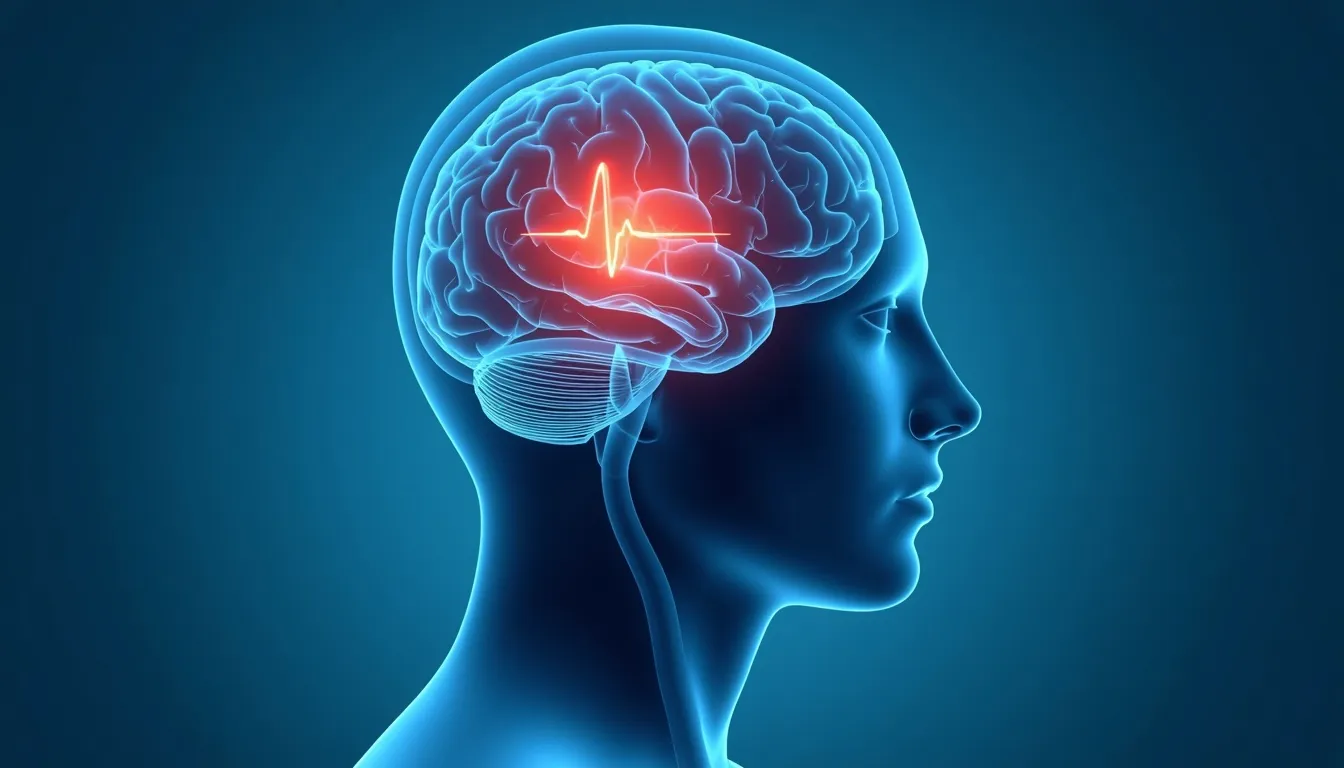
Chronic occupational exposure trains the brain’s threat-detection circuitry, particularly the amygdala, to remain in a persistent state of alert. Clinically, this manifests as hypervigilance: scanning restaurants for exits, sitting with a back to the wall, reacting explosively to sudden noise, or struggling to relax even in safe environments. Over time, an overactive sympathetic nervous system contributes to emotional dysregulation, sudden anger, emotional numbness, or difficulty modulating reactions to minor stressors, along with physical symptoms such as elevated blood pressure, chronic muscle tension, gastrointestinal distress, and disrupted sleep architecture. Psychiatric research increasingly frames first-responder PTSD as, in part, a disorder of nervous-system regulation, which is precisely why treatment must extend beyond talk therapy alone to address the body’s physiological threat response directly.
How PTSD Shows Up Differently Across First-Responder Roles
While the underlying neurobiology is consistent, the clinical presentation of PTSD varies meaningfully by profession, and effective treatment accounts for these differences.
Police and law enforcement officers frequently present with a defensive, controlled outward demeanor that masks significant internal distress. Cumulative exposure to violence, coupled with a professional culture that prizes composure and authority, often produces cynicism, moral injury related to use-of-force incidents, hyperarousal, and heightened suspicion that follows officers home. Research on cumulative PTSD in law enforcement points to an additional stressor unique to the profession: officers must maintain psychological fitness for duty, which can make voluntary disclosure of symptoms feel professionally risky.
Firefighters commonly experience trauma layered with survivor’s guilt, particularly after fatality calls or line-of-duty deaths of colleagues. Because firehouse culture emphasizes brotherhood and shared burden, firefighter PTSD often surfaces as withdrawal from the crew, substance use, or somatic complaints rather than overt emotional symptoms. Firefighter PTSD statistics consistently show elevated rates of depression and alcohol use disorder alongside trauma symptoms, underscoring the need for integrated, not siloed, treatment.
EMTs and paramedics face an unusually high volume of direct exposure to death, severe injury, and pediatric emergencies, often with minimal recovery time between calls. This population reports some of the highest rates of PTSD symptoms among first responders, frequently compounded by compassion fatigue, the gradual erosion of empathy that results from sustained exposure to others’ suffering.
911 dispatchers and telecommunicators experience a distinct form of trauma: they hear crises unfold in real time but rarely learn the outcome, and they never have the physical outlet of responding to the scene. This creates a unique clinical profile involving intrusive auditory memories, unresolved anxiety about unknown outcomes, and a form of secondary traumatic stress that is only recently receiving dedicated clinical attention.
The Cultural and Structural Barriers That Shape Treatment Design
Any first responder PTSD treatment program that ignores occupational culture will struggle to retain patients. Several barriers are specific to this population and must be actively engineered around, rather than treated as incidental obstacles.
Stigma remains the most significant barrier. Departments and crews often operate under an unspoken “suck it up” ethos, where seeking psychiatric care is misread as weakness or unreliability under pressure. Fear of losing operational credibility, being pulled from frontline duty, denied promotion, or subjected to a fitness-for-duty evaluation, keeps many first responders silent for years. Confidentiality concerns compound this: officers and firefighters frequently worry that anything disclosed to a department-affiliated clinician could reach a supervisor, affect their record, or jeopardize firearm or duty certification.
Scheduling presents a further obstacle. Rotating shifts, mandatory overtime, and unpredictable call volume make weekly, fixed-appointment therapy models impractical for much of this workforce. Programs that succeed with first responders typically offer flexible scheduling, after-hours availability, and, increasingly, remote or telehealth options that eliminate the visibility risk of being seen walking into a mental health clinic.
What Makes First Responder PTSD Treatment Programs Different
Given these clinical and cultural realities, effective first responder PTSD treatment programs are built around several defining features that distinguish them from generalized psychiatric care.
Clinicians Trained in Occupational and First-Responder Culture
The single most consistent differentiator is clinician competency. Therapists who understand department hierarchy, shift structure, use-of-force protocols, and the unwritten codes of first-responder culture build trust far faster than generalist providers. This clinical fluency allows a clinician to interpret gallows humor, operational jargon, and stoic presentation accurately rather than misreading them as resistance to treatment.
Evidence-Based, Trauma-Focused Modalities
Psychiatric research identifies a small set of therapies with the strongest evidence base for PTSD, and specialized programs lead with these rather than generic supportive counseling. Eye Movement Desensitization and Reprocessing (EMDR) helps reprocess traumatic memories without requiring extensive verbal narrative, which many first responders find more tolerable than talk-heavy approaches. Cognitive Processing Therapy (CPT) targets the distorted beliefs that often accompany occupational trauma, guilt over a death that could not have been prevented, or the conviction that vigilance must never lapse. Prolonged Exposure (PE) therapy systematically reduces avoidance by helping patients safely process trauma-related memories and triggers. The clinical consensus favors matching modality to presentation rather than applying a single protocol to every patient.
Peer Support Integration
Programs that incorporate trained peer support specialists, active or former first responders who have completed clinical peer-support training, consistently see higher engagement and retention. Peer support does not replace licensed clinical care, but it functions as a critical bridge, reducing the isolation that keeps many first responders from seeking treatment in the first place.
Confidentiality Structures That Protect Careers
Because fitness-for-duty and licensure concerns are so central to this population’s hesitation, credible programs build explicit confidentiality protections independent of department reporting chains. Many first responders will only engage with treatment once they understand, clearly and in writing, how their clinical information is protected from their employer.
Family-Inclusive Care
PTSD reshapes family systems, not just individuals. Emotional numbing, irritability, and hypervigilance affect spouses, partners, and children directly. Comprehensive programs incorporate family education and, when appropriate, family or couples sessions, since sustained recovery is significantly more likely when the people closest to a first responder understand the condition and how to respond to it constructively.
Advanced and Emerging Interventions for Treatment-Resistant Trauma
Not every first responder responds fully to first-line therapies, particularly after years of layered, cumulative exposure. For treatment-resistant presentations, psychiatric research has increasingly examined interventions that work through different biological pathways than talk therapy alone. Ketamine infusion therapy for treatment-resistant PTSD has emerged as one of the more closely studied options, showing potential to rapidly reduce PTSD and depressive symptoms in patients who have not achieved sufficient relief through EMDR, CPT, or Prolonged Exposure alone. Because ketamine works on glutamate pathways distinct from traditional antidepressants, some clinicians use it as an adjunct that helps stabilize mood and reduce symptom intensity enough for a patient to more fully engage in trauma-focused psychotherapy. As with any advanced psychiatric intervention, ketamine therapy should be administered and monitored by qualified clinicians as part of a comprehensive treatment plan, not as a standalone fix.
Accessing First Responder PTSD Care: In-Person and Online Options
One of the most significant shifts in first responder PTSD treatment programs over the past several years has been the expansion of telehealth. For a workforce constrained by rotating shifts, unpredictable overtime, and legitimate concerns about being seen entering a mental health clinic, accessible, confidential online therapy for trauma and PTSD has removed some of the most persistent barriers to consistent care. Virtual sessions allow officers, firefighters, EMTs, and dispatchers to connect with trauma-trained clinicians from a private location, on a schedule that accommodates shift work, without the visibility risk associated with in-person clinic visits.
Whether care is delivered in person or virtually, the clinical priorities remain the same: a thorough trauma-informed assessment, an evidence-based treatment plan matched to the individual’s symptom profile, and a clinician who understands the operational realities of first-responder work. First responders and their families are encouraged to ask prospective providers directly about their experience treating occupational and cumulative trauma before beginning care.

Supporting a First Responder Loved One Through Treatment
Families are often the first to notice the warning signs, withdrawal, irritability, sleep disturbance, or a loved one who no longer seems fully present even at home. Supporting a first responder through PTSD treatment starts with recognizing that recovery is rarely linear; setbacks after a difficult shift or a triggering call are common and do not indicate treatment failure. Family members can help most by learning the basics of hypervigilance and emotional dysregulation, avoiding pressure to “talk about it” before the person is ready, and gently reinforcing the value of consistent treatment engagement without ultimatums. Departments, peer support teams, and clinicians should ideally work together with the family as a unified support structure rather than isolated parts of a fragmented system.
Frequently Asked Questions
What is the most effective PTSD treatment for first responders?
The clinical consensus points to trauma-focused psychotherapies, particularly EMDR, Cognitive Processing Therapy, and Prolonged Exposure therapy, delivered by clinicians trained in occupational and first-responder culture. Effectiveness improves significantly when these evidence-based modalities are combined with peer support, confidentiality protections, and, when needed, medication management or advanced interventions for treatment-resistant symptoms.
How is first responder PTSD treatment different from standard PTSD treatment?
First responder PTSD treatment differs primarily because it addresses cumulative, occupational trauma rather than a single traumatic event. Programs designed for this population incorporate culturally competent clinicians, flexible scheduling around shift work, explicit confidentiality protections separate from department reporting chains, and family-inclusive care, all of which are less central in generalized psychiatric treatment models.
Will seeking PTSD treatment affect a first responder’s job or career?
Seeking treatment itself is not, in most jurisdictions and departments, an automatic threat to employment, though the fear of career consequences remains one of the strongest barriers to care. Reputable treatment programs build confidentiality safeguards independent of the employer, and many departments now have policies explicitly protecting officers and firefighters who voluntarily seek mental health support, though specifics vary by agency and should be confirmed directly with departmental policy or union representation.
What percentage of first responders develop PTSD?
Clinical research estimates that PTSD affects roughly 18% to 33% of first responders, depending on occupation, career length, and exposure history, compared with meaningfully lower rates in the general population. More than eight in ten first responders report experiencing at least one traumatic event on the job, which is why cumulative exposure is treated as an occupational hazard rather than an exception.
Is online therapy effective for first responder PTSD?
Online therapy can be highly effective for treating first responder PTSD, particularly when delivered through evidence-based modalities like CPT or EMDR-adapted protocols by trauma-trained clinicians. Telehealth removes several of the practical and cultural barriers unique to this population, rotating shift schedules and visibility concerns among them, which often improves treatment consistency and completion rates.
What is cumulative PTSD in law enforcement?
Cumulative PTSD in law enforcement refers to trauma that builds gradually across a career through repeated exposure to violence, death, and high-stress incidents, rather than resulting from a single defining event. This layered exposure often produces a more complex clinical presentation, including pronounced emotional dysregulation and hypervigilance, that treatment programs must specifically account for.
Does insurance or workers’ compensation cover first responder PTSD treatment?
Coverage for first responder PTSD treatment varies by state, department, and insurance plan, though a growing number of states have passed presumptive PTSD legislation that classifies the condition as a work-related injury eligible for workers’ compensation for eligible first-responder occupations. First responders should confirm specific coverage details with their department’s benefits administrator, union representative, or insurance provider, since eligibility criteria and covered treatment types differ significantly by jurisdiction.
Moving Forward
First responder PTSD treatment programs exist because generalized psychiatric care, however well-intentioned, is rarely built to address the cumulative, occupational nature of this population’s trauma. Effective care recognizes the physiological weight of years spent in a heightened sympathetic nervous system state, respects the cultural realities of first-responder work, and delivers evidence-based treatment through clinicians who understand the job. For police officers, firefighters, EMTs, dispatchers, and the families who support them, recovery is not only possible, it is well documented in the clinical literature, provided the right kind of specialized care is put in place.
Medical Disclaimer & E-E-A-T AttributionThis article is for educational purposes and does not replace personalized medical or psychological advice. If you are recovering from a brain injury, trauma, or a mental health condition, work with a licensed clinician to build a plan suited to your situation. Written by: Adil Farooq, Psychiatry Magazine Medically reviewed by: [Dr. Adil Farooq MS · PhD] · Updated: 2026 |