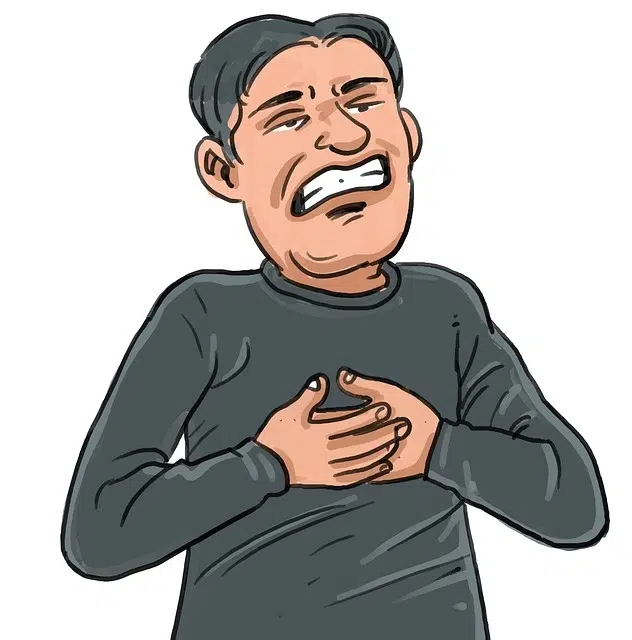
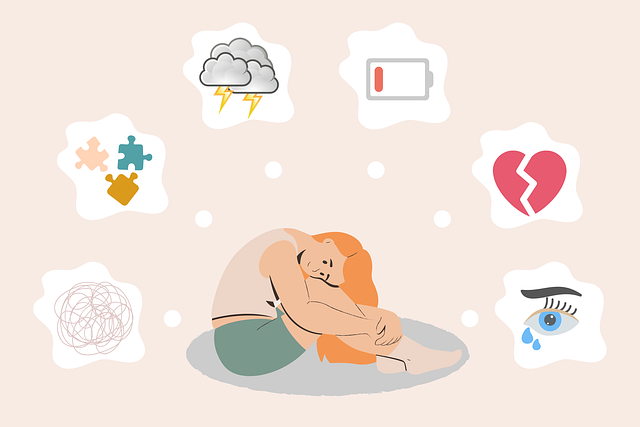
Maybe it shows up as a shoulder that won’t unclench, or a startle response to a slammed door that leaves your heart pounding for the rest of the afternoon. Maybe it’s the nights sleep won’t come, the conversations you rehearse in your head just in case, or the quiet exhaustion of managing everyone else’s emotions before you’ve had a moment to feel your own. If any of this sounds familiar, you are not too sensitive, and you are not imagining it. These reactions are often among the physical and emotional signs you need trauma therapy, even when they look nothing like the flashbacks and nightmares most people picture when they hear the word PTSD.
What often gets missed is that trauma doesn’t affect everyone the same way, and it doesn’t heal the same way either. Gender shapes the kinds of trauma a person is statistically more likely to face, how the nervous system learns to protect itself, and, just as importantly, what kind of therapeutic environment actually feels safe enough to support deep healing work. That is the reasoning behind a women’s trauma therapy program: care built specifically around how trauma lives in a woman’s body, relationships, and history.
| Quick Answer: A women’s trauma therapy program is trauma-informed treatment designed around the realities of female trauma exposure, including higher rates of sexual assault, intimate partner violence, and reproductive or medical trauma. These programs combine evidence-based approaches such as EMDR, somatic therapy, and Cognitive Processing Therapy with all-women treatment settings that reduce shame and lower the risk of retraumatization, helping women engage more fully and stay in treatment longer than they might in standard, mixed-gender care. |
Why Gender-Specific Trauma Therapy Matters
Trauma is not gender-neutral, not in how it occurs, not in how the body stores it, and not in how it responds to treatment. According to the National Center for PTSD, roughly 10 percent of women will develop PTSD at some point in their lives, compared with about 4 percent of men, making women approximately twice as likely to be diagnosed. Interestingly, men actually report slightly more lifetime exposure to traumatic events overall. The gap comes down to the type of trauma women are more likely to experience, some of which carry a far higher conditional risk of triggering PTSD than others.
Women are statistically more likely to experience:
- Sexual assault and childhood sexual abuse, which carry one of the highest conditional risks of PTSD of any trauma category
- Intimate partner violence and domestic abuse, often repeated over months or years
- Reproductive and medical trauma, including pregnancy loss, birth trauma, and invasive procedures
- Caregiving-related strain, from childhood parentification to adult caregiver burnout
- Trauma compounded by gender-based discrimination or harassment
This matters clinically because a mixed-gender treatment setting, however well-intentioned, can unintentionally recreate the power dynamics that made the original trauma feel unsafe, particularly for survivors of male-perpetrated violence. That single factor is one of the most common reasons women disengage from general trauma programs before the deeper work of healing has really begun, and it’s a major driver behind the growing demand for a dedicated women’s trauma therapy program.
Recognizing the Signs: How Trauma Shows Up Differently for Women
Trauma rarely announces itself with a diagnosis. More often, it hides inside personality traits, habits, and health complaints that get explained away for years, including:
- Chronic anxiety or hypervigilance dismissed as being a worrier or high-strung
- Difficulty setting boundaries, chronic people-pleasing, or a persistent fear of conflict
- Perfectionism and overfunctioning used as a way to control an unpredictable world
- Unexplained autoimmune flare-ups, chronic pain, or digestive issues with no clear medical cause
- Trouble trusting romantic partners, or a pattern of repeating painful relationship dynamics
- Emotional numbness, shutting down, or dissociating under stress or during intimacy
- Sleep disruption, nightmares, or an exaggerated startle response

Individually, any one of these could have another explanation. Together, and especially when they’ve persisted for months or years, they’re often exactly how unhealed trauma shows up in daily life, quietly shaping careers, friendships, and self-worth long after the original event is over.
PTSD and Complex PTSD (C-PTSD) in Women: What’s the Difference?
Post-traumatic stress disorder (PTSD) typically develops after a single, discrete traumatic event and centers on three core symptom clusters: re-experiencing the event (flashbacks, nightmares, intrusive memories), avoidance of reminders, and a persistent sense of threat, including hypervigilance and an exaggerated startle response.
Complex PTSD (C-PTSD) was formally recognized by the World Health Organization’s ICD-11 in 2022 as a distinct diagnosis; it is not currently a separate diagnosis in the DSM-5. C-PTSD typically develops after prolonged or repeated trauma, such as ongoing childhood abuse or long-term domestic violence, rather than a single incident. It includes the same core PTSD symptoms, plus three additional patterns clinicians describe as disturbances in self-organization: difficulty regulating emotions, persistent negative beliefs about oneself, and ongoing difficulty feeling close to other people.
Because women are statistically more likely to experience the prolonged, relational trauma types most associated with C-PTSD, repeated childhood abuse, extended domestic violence, trafficking, understanding this distinction matters when evaluating a women’s trauma therapy program, since C-PTSD often calls for a longer, more layered course of treatment than single-incident PTSD.
| Category | PTSD | Complex PTSD (C-PTSD) |
| Typical cause | A single or discrete traumatic event | Prolonged or repeated trauma (childhood abuse, long-term domestic violence) |
| Core symptoms | Re-experiencing, avoidance, hyperarousal / sense of threat | Same three core PTSD symptoms |
| Additional symptoms | — | Emotional dysregulation, negative self-concept, relationship difficulties |
| Formally recognized in | DSM-5 and ICD-11 | ICD-11 (WHO); not yet a separate DSM-5 diagnosis |
What Trauma-Informed Care and Psychological Safety Actually Mean
Trauma-informed care is not a single technique; it’s a framework for how an entire treatment environment operates. The Substance Abuse and Mental Health Services Administration (SAMHSA) outlines six guiding principles: safety, trustworthiness and transparency, peer support, collaboration and mutuality, empowerment and choice, and, notably, active awareness of cultural, historical, and gender-related factors. That last principle is precisely why gender-specific care exists: trauma-informed care, applied fully, requires acknowledging that gender shapes both trauma and its treatment.
Psychological safety is the clinical outcome all six principles are working toward. It means feeling secure enough, physically, emotionally, and relationally, to be vulnerable in front of a clinician or a group without fear of judgment, dismissal, or harm. For survivors of interpersonal or sexual trauma in particular, psychological safety isn’t a nice-to-have addition to treatment; it’s a prerequisite. Without it, the nervous system tends to stay in a guarded, protective state that blocks the deeper processing work trauma therapy is meant to do.
Standard Therapy vs. Gender-Specific Trauma Therapy
The comparison below outlines key differences reported between general, mixed-gender treatment settings and a dedicated women’s trauma therapy program.
| Aspect | Standard / Mixed-Gender Therapy | Gender-Specific Women’s Trauma Therapy |
| Group composition | Mixed-gender groups and general caseloads | All-women groups, often with all-women clinical teams |
| Clinical focus | General mental health concerns | Trauma types disproportionately affecting women (sexual assault, IPV, reproductive trauma) |
| Pacing & disclosure | Standardized intake and pacing | Trauma-informed pacing that allows trust to build gradually |
| Modalities offered | Often limited to general talk therapy or CBT | Integrates EMDR, somatic therapy, CPT, and body-based approaches |
| Environment design | Not specifically gender-responsive | Built around physical and psychological safety for women |
| Peer support | May feel isolating for gender-specific experiences | Shared lived experience reduces shame and isolation |
| Engagement & retention | Higher risk of early dropout when safety concerns go unaddressed | Improved engagement when women feel understood from the outset |
Evidence-Based Modalities Used in Women’s Trauma Therapy Programs
A comprehensive women’s trauma therapy program typically draws from several evidence-based modalities rather than relying on a single approach, since trauma affects the mind and body in different, overlapping ways.
EMDR (Eye Movement Desensitization and Reprocessing)
EMDR uses bilateral stimulation, typically guided eye movements, to help the brain reprocess traumatic memories that feel stuck. It’s one of the most researched treatments for PTSD and adapts well to both virtual and in-person formats.
Somatic Therapy and Somatic Healing
Trauma is stored in the body as much as the mind, which is why somatic therapy, sometimes called somatic experiencing, is a cornerstone of many women’s trauma therapy programs. Rather than focusing only on the narrative of what happened, somatic healing works with physical sensations, breath, and nervous system regulation to release trauma responses the body has been holding, sometimes for decades.
Cognitive Processing Therapy (CPT)
CPT is a structured, evidence-based therapy that helps identify and challenge stuck points, the specific beliefs a person developed about themselves or the world after a traumatic event, such as self-blame following a sexual assault. It’s particularly effective for the shame-driven thought patterns common among survivors of interpersonal trauma.
DBT Skills for Emotion Regulation
Dialectical Behavior Therapy (DBT) skills training teaches distress tolerance, emotion regulation, and interpersonal effectiveness, tools that are especially valuable for women managing the emotional dysregulation common in C-PTSD.
Group Therapy and Peer Support
Processing trauma alongside other women who understand the specific texture of gendered trauma, without having to explain or justify it, can be profoundly validating, and is one of the clearest examples of psychological safety in action.

Alongside these clinical modalities, most programs also teach trauma-informed coping skills clients can use between sessions to regulate the nervous system in real time, grounding techniques, paced breathing, and body-based practices that help interrupt a spiral before it escalates.
How Psychological Safety Is Built Into a Women’s Program
Psychological safety isn’t created by accident; it’s designed into the structure of the program, through choices like:
- The option to work with all-female clinicians and group facilitators
- A consent-based approach to any physical or somatic technique, explained before it’s used
- Predictable session structure, so clients always know what to expect
- Explicit, ongoing conversation about triggers, pacing, and what feels tolerable
- Attention to intersecting identities, LGBTQ+ women, women of color, mothers, and women navigating disability all bring different safety needs, and genuine gender sensitivity flexes around a woman’s whole identity, not just her sex
Finding the Right Women’s Trauma Therapy Program
Not every program that markets itself as trauma-informed delivers the same depth of care. A few things are worth evaluating before you commit:
- Trauma-informed and gender-responsive training among the clinical team, not just a phrase on a website
- Specialization in your specific trauma type, sexual trauma, domestic violence, reproductive or medical trauma, and so on
- A range of modalities offered (EMDR, somatic work, CPT, DBT skills) rather than a single one-size-fits-all approach
- All-women group options, if peer support with other women matters to you
- Flexible formats, including online trauma and PTSD therapy, for women balancing caregiving, work, or limited access to local specialists
- Clear, upfront communication about pacing, consent, and what a first session actually involves
For many women, the flexibility of a virtual format is what makes consistent care possible in the first place, no commute, no waiting room, and no need to explain an absence from work.
Taking the Next Step Toward Healing
Healing from trauma is not about erasing what happened; it’s about no longer having to organize your entire life around protecting yourself from it. A gender-specific, trauma-informed approach gives that process the safety it needs to actually work, rather than asking you to do the deepest work of your life in an environment that doesn’t yet feel safe enough to hold it.
If any part of this resonates, finding an online women’s trauma therapy program is a practical, private way to start, often with shorter waitlists and more flexibility than in-person care, and without having to put the rest of your life on hold to prioritize your healing.
Frequently Asked Questions
What is a women’s trauma therapy program?
A women’s trauma therapy program is trauma-informed treatment designed specifically for women, using all-female (or predominantly female) clinical teams and group settings, along with modalities like EMDR, somatic therapy, and CPT. It’s built around the trauma types most common among women, including sexual assault, intimate partner violence, and reproductive trauma.
How is gender-specific trauma therapy different from standard therapy?
The clinical modalities often overlap, but the environment differs. Gender-specific programs are structured to reduce the retraumatization risk that mixed-gender settings can inadvertently create for survivors of male-perpetrated violence, and they typically offer all-women peer support, which many women find increases both comfort and consistent engagement.
What’s the difference between PTSD and complex PTSD (C-PTSD)?
PTSD generally follows a single traumatic event and involves re-experiencing, avoidance, and hyperarousal. C-PTSD, recognized in the WHO’s ICD-11, typically develops after prolonged or repeated trauma and includes those same symptoms plus difficulty regulating emotions, negative self-beliefs, and challenges maintaining close relationships.
Can trauma therapy be done online?
Yes. Modalities including EMDR, CPT, and many somatic techniques have been adapted for secure virtual platforms, and research on telehealth trauma treatment has generally found outcomes comparable to in-person care for many clients. Online formats can also lower barriers like cost, scheduling, and geographic access to specialized women’s programs.
How do I know if I need trauma therapy?
Persistent anxiety, hypervigilance, trouble trusting others, unexplained physical symptoms, sleep disruption, or a sense of being stuck in old relationship patterns can all be signs. You don’t need a formal PTSD diagnosis to benefit from trauma-informed care, if past experiences are still shaping your present in ways that don’t feel like a choice, that’s reason enough to explore it.
How long does trauma therapy typically take to work?
It varies widely depending on the type and duration of trauma, the modality used, and individual factors. Some approaches like EMDR can produce noticeable shifts within a number of sessions for single-incident trauma, while C-PTSD stemming from prolonged trauma generally requires a longer, more gradual course of treatment.
Is group therapy with other women effective for trauma recovery?
For many women, yes. Shared lived experience can reduce shame and isolation in ways individual therapy alone sometimes can’t, though group work is typically most effective when paired with individual trauma processing rather than used as a stand-alone treatment.
Medical Disclaimer & E-E-A-T AttributionThis article is for educational purposes and does not replace personalized medical or psychological advice. If you are recovering from a brain injury, trauma, or a mental health condition, work with a licensed clinician to build a plan suited to your situation. Written by: Adil Farooq, Psychiatry Magazine Medically reviewed by: [Dr. Adil Farooq MS · PhD] · Updated: 2026 |