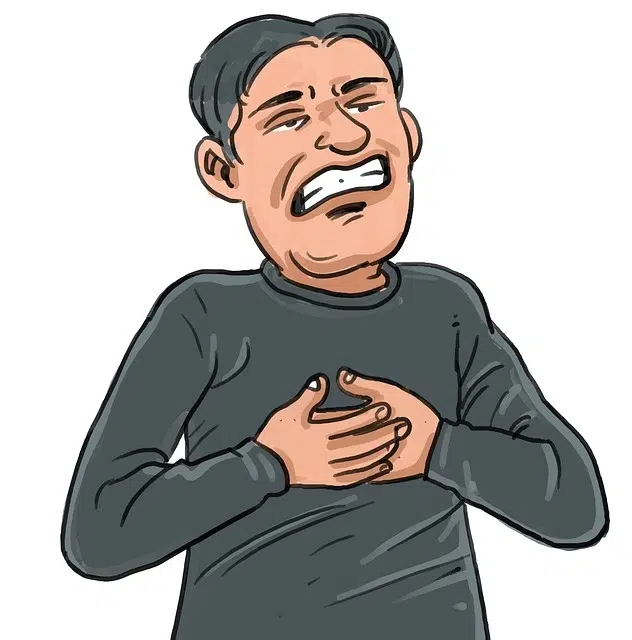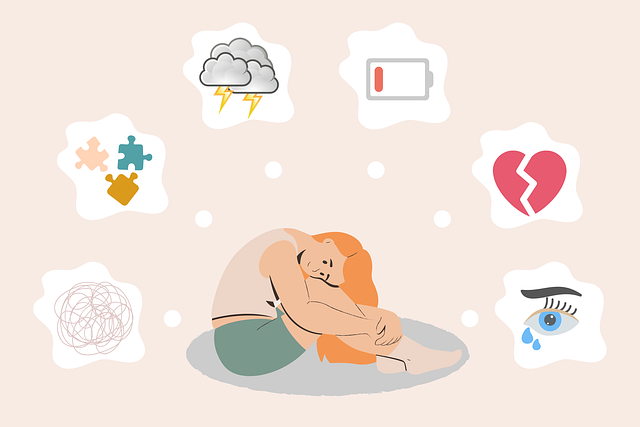
If you love or care for someone with post-traumatic stress disorder (PTSD), you already know that ordinary moments, a joke, a surprise, a raised voice, can sometimes trigger a reaction that seems out of proportion to what just happened. That’s not an overreaction. It’s a nervous system doing exactly what trauma trained it to do. Friends, partners, and family members often make things worse with the best of intentions, simply because no one ever taught them how trauma actually works in the brain and body. This guide takes a clinical, trauma-informed look at the worst thing to do to someone with PTSD, the specific words and behaviors most likely to trigger a trauma response, and what genuinely supportive care looks like instead.
| Quick Answer: What Not to Do Around Someone With PTSD
• Never minimize, mock, or dismiss their trauma response (“just get over it,” “that was ages ago”), invalidation is widely considered the single worst thing you can do, and it deepens shame rather than resolving distress. • Don’t touch, corner, or startle someone with PTSD without warning, sudden physical contact or raised voices can trigger a genuine fight-flight-freeze-fawn response in the autonomic nervous system. • Never issue ultimatums tied to their symptoms (“stop being so sensitive or we’re done”), hypervigilance and emotional dysregulation are involuntary trauma responses, not choices. • Do offer patience and consent-based communication, validate their experience and gently encourage professional trauma-focused treatment rather than trying to “fix” them yourself. |
Why Words and Actions Hit Differently When Someone Has PTSD
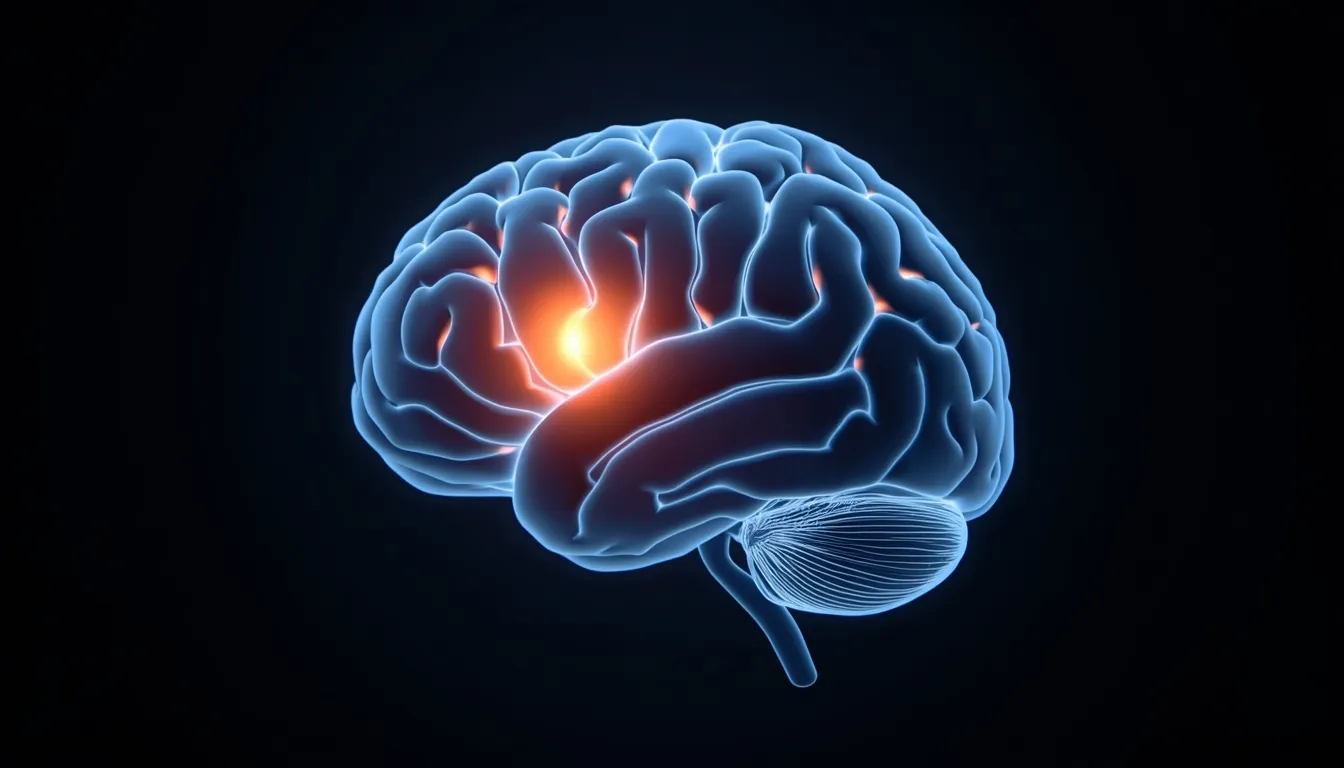
To understand why a seemingly small comment can cause such a large reaction, it helps to understand what PTSD actually does inside the nervous system. PTSD isn’t a personality flaw or a failure of willpower, it’s a physiological condition rooted in how the brain encoded an overwhelming event. During the original trauma, the amygdala, the brain’s threat-detection center, can override the prefrontal cortex, the region responsible for rational thought, impulse control, and contextual reasoning. At the same time, the hippocampus, which normally files memories with a clear timestamp and narrative, often fails to properly contextualize the experience. That’s part of why trauma memories tend to surface as fragmented sensations, images, or emotions rather than a coherent story with a beginning and an end.
The lasting result is a nervous system that stays braced for danger long after the danger has passed. Clinicians describe this as hypervigilance: a persistent, exhausting state of scanning the environment for threat, even in situations that are objectively safe. A slammed door, a particular tone of voice, or an unexpected touch on the shoulder can activate the same autonomic nervous system response, a surge of adrenaline and cortisol, that occurred during the original trauma. This is the neurobiology behind a trigger, and it’s why a reaction that looks disproportionate from the outside is, internally, the body treating an ordinary moment as an active emergency.
For many survivors, especially those living with complex PTSD, this activation shows up as what trauma clinicians and writers such as Pete Walker call an emotional flashback: a sudden regression into the emotional intensity of the original trauma, without any accompanying visual memory. Understanding what triggers emotional flashbacks and why they happen makes it much easier to see why an offhand remark can provoke a reaction that seems out of scale with the moment. The survivor isn’t reacting to you specifically, they’re reacting to a nervous system alarm that trauma wired in, sometimes decades earlier.
The Worst Thing You Can Do to Someone With PTSD
If clinicians had to name a single most damaging behavior, it would be invalidation, dismissing, minimizing, mocking, or flatly denying a trauma survivor’s experience. Statements like “you’re being dramatic,” “that happened years ago, why does it still bother you,” or “other people have it so much worse” don’t just fail to help; they actively compound the original injury. Invalidation communicates to an already-ashamed nervous system that its distress is not only unwarranted but unwelcome, which tends to increase avoidance, self-blame, and emotional dysregulation rather than reduce it.
In clinical terms, invalidation repeats the core wound of trauma: powerlessness and being unseen or unheard by the people who are supposed to protect you. When this pattern comes from someone the survivor depends on, a parent, partner, or close friend, and continues over time, it can contribute to the kind of relational injury seen in complex PTSD, particularly for survivors whose original trauma was also relational in nature (abuse, neglect, betrayal). Put simply: what you say in the aftermath of someone’s trauma response can matter almost as much as the trauma itself in shaping how they heal.
Words and Phrases That Do Real Damage
Minimizing Language and Time-Stamping Their Pain
Phrases that put an expiration date on trauma, “it’s been years, you should be over this by now”, misunderstand how the condition works entirely. PTSD is not a matter of insufficient time or effort; DSM-5-TR diagnostic criteria specifically account for symptoms that persist or even emerge months or years after the triggering event, known as delayed expression. Telling someone their timeline is wrong doesn’t motivate faster healing, it adds shame on top of an already dysregulated nervous system.
Interrogating for Details or “Proof”
Demanding a full account of what happened, “well, what exactly did they do to you?”, can function as an unintentional, unsafe re-exposure to the trauma without any of the pacing, resourcing, or professional containment a trained trauma therapist would use. Survivors may freeze, dissociate, or shut down completely when pressed for specifics before they’re ready, which can look like stonewalling but is actually the nervous system protecting itself.
Comparative Suffering
“At least it wasn’t worse” or “other people have been through worse and they’re fine” invalidates by comparison. Trauma isn’t ranked on a universal severity scale inside the nervous system, the body’s threat response is calibrated to the individual’s own history, not to an outside observer’s judgment of how bad it was.
Ultimatums Tied to Symptoms
Statements like “stop being so jumpy or I’m leaving” or “you’re too much to deal with” treat an involuntary trauma response as if it were a lifestyle choice. Hypervigilance, irritability, and emotional dysregulation are diagnostic features of PTSD, not personality defects, punishing someone for symptoms they can’t simply switch off erodes trust and often deepens the very avoidance and isolation that make PTSD harder to treat.
Actions and Behaviors That Can Trigger a PTSD Episode
Words aren’t the only risk factor, certain behaviors can activate a trigger just as quickly, sometimes faster. Sudden, unannounced touch (a hand on the shoulder from behind, an unexpected hug) can jolt the nervous system into a fight-or-flight state before the survivor has consciously registered who touched them. Raised voices, slammed doors, or other sudden loud noises can produce the same effect, particularly for survivors whose trauma involved violence or conflict. Physically cornering someone, standing between them and an exit, blocking a doorway during an argument, can intensify a threat response even when there’s no actual danger, because hypervigilance is specifically tuned to detect confinement and a lack of escape routes. Publicly confronting someone about their symptoms (“why are you acting so weird right now?” in front of others) adds a layer of shame and exposure to an already overwhelming moment.
When these triggers do activate, what a bystander sees might range from visible panic to a sudden, flat withdrawal. A PTSD episode doesn’t always look like fear on the outside, it can look like irritability, going silent, staring into space (a sign of dissociation), or leaving the room abruptly. Recognizing that these are nervous system states rather than deliberate behavior is the first step toward responding well instead of escalating further.
How PTSD Strains Romantic Relationships
Romantic relationships often absorb the heaviest impact of PTSD, because intimacy itself can become a trigger. Closeness, vulnerability, and unpredictability, the very ingredients of a healthy partnership, are exactly the conditions a hypervigilant nervous system is wired to monitor for danger. Partners frequently describe a painful, repeating cycle: the survivor withdraws, shuts down, or reacts intensely during a triggered state; the non-traumatized partner feels rejected, confused, or hurt; and both people end up more dysregulated than they started. This is not a reflection of love, commitment, or character, it’s the predictable outcome of two nervous systems trying to co-regulate without a shared framework for what’s actually happening in the moment.
Left unaddressed, this cycle tends to erode communication and trust over time, sometimes pushing otherwise strong relationships toward chronic conflict or quiet disconnection. Many couples find that trying to manage repeated trigger-and-repair cycles alone isn’t sustainable, and that professionally guided couples counseling built for trauma-impacted relationships is what actually interrupts the pattern. A therapist trained in trauma dynamics can give both partners a shared vocabulary for triggers, a concrete plan for de-escalation, and a space to slow down conflict before it becomes retraumatizing for either person.

When Trauma Runs Deep: Complex PTSD, Attachment, and Long-Term Trust
When trauma isn’t a single incident but a prolonged, repeated experience, childhood abuse, captivity, domestic violence, chronic neglect, it can develop into complex PTSD (C-PTSD), a related but clinically distinct condition formally recognized in the ICD-11. Alongside the core PTSD symptoms of re-experiencing, avoidance, and hyperarousal, C-PTSD typically adds persistent difficulty with emotional regulation, a deeply negative self-concept, and significant disturbances in relational functioning.
Because complex trauma so often occurs at the hands of a caregiver or someone the survivor depended on for safety, it can fundamentally reshape attachment style. Survivors may oscillate between anxious hyper-attunement to a partner’s every mood shift and avoidant withdrawal the moment closeness starts to feel unsafe. Some clinicians, drawing on Pete Walker’s framework, also describe a fawn response in C-PTSD, a pattern of appeasement, people-pleasing, and self-erasure developed to avoid conflict with an unpredictable caregiver. None of this makes trust impossible to rebuild, but it does mean trust-building has to be unusually consistent, patient, and predictable, directly countering what earlier relationships taught the survivor’s nervous system to expect. Understanding how complex PTSD reshapes relationship patterns can help partners and family members recognize that mixed signals, testing behaviors, or sudden withdrawal usually aren’t manipulation. They’re a nervous system that learned, accurately, that closeness once led to harm.
What to Say and Do Instead: Trauma-Informed Communication
Supporting someone with PTSD well starts with consent-based, low-demand communication. Before touching someone, especially from behind or during a stressful moment, say their name and ask first. When someone is visibly triggered, resist the urge to ask probing questions about what happened; instead, offer short, grounding statements that orient them to the present: “You’re safe. You’re here with me, right now.” Grounding techniques like the 5-4-3-2-1 method, naming five things you can see, four you can touch, three you can hear, two you can smell, and one you can taste, can help pull someone’s nervous system out of a trauma-time loop and back into the present moment, though this works best when practiced together during calm moments first, not improvised for the first time mid-crisis.
Equally important is what you don’t do: don’t demand they “calm down,” don’t take a triggered reaction personally, and don’t try to talk someone out of what their body is telling them. Validating a trauma response (“that sounds like it was really scary for your nervous system”) costs you nothing and does far more to de-escalate than logic or reassurance ever will. Learning a person’s specific triggers together, ideally during a calm conversation rather than in the heat of a triggered moment, also gives both of you a shared map for avoiding unnecessary activation going forward.
Knowing Your Limits: When to Encourage Professional Support
Being a steady, supportive presence in someone’s life is not the same as being their trauma therapist, and trying to fill both roles at once usually leads to burnout for you and inadequate care for them. Family members and partners can offer safety, patience, and validation, but they generally can’t provide the structured, evidence-based interventions, EMDR, cognitive processing therapy (CPT), trauma-focused CBT, that actually process and reduce PTSD symptoms at a neurological level.
Gently encouraging your loved one toward specialized, evidence-based online therapy for trauma and PTSD respects both your limits and their autonomy. Framing it as “I want you to have support that’s actually built for this, not just me winging it” tends to land better than an ultimatum, and normalizes treatment as a strength rather than a last resort. It’s also worth caring for your own wellbeing in parallel, supporting a trauma survivor is emotionally demanding work, and burned-out caregivers are far less able to offer the patience PTSD recovery requires.
Frequently Asked Questions About Supporting Someone With PTSD
Structure each question and answer below with FAQPage schema markup when publishing to maximize eligibility for AI overviews and People Also Ask features.
What is the worst thing to say to someone with PTSD?
The most damaging statements are those that minimize or dismiss the trauma response, phrases like “just get over it,” “that was so long ago,” or “you’re overreacting.” Clinically, this is called invalidation, and it deepens shame and can worsen symptoms rather than resolve them, because it repeats the trauma’s core message that the survivor’s experience isn’t real or valid.
What should you never do around someone with PTSD?
Avoid sudden, unannounced touch, raised voices, cornering someone physically, or confronting them about their symptoms in public. These actions can trigger a genuine autonomic nervous system response, the same fight-flight-freeze-fawn reaction that occurred during the original trauma, even though no real danger is present.
How do you talk to someone during a PTSD episode?
Keep your voice calm and low, avoid sudden movements, and use short, grounding statements like “you’re safe, you’re here with me now” rather than asking questions or demanding they calm down. Give them space and time; a triggered nervous system typically needs minutes, not logic, to return to baseline.
What triggers a PTSD flashback or emotional flashback?
Triggers are highly individual but often involve sensory cues connected to the original trauma, a specific tone of voice, a smell, a certain type of conflict, or even an anniversary date. An emotional flashback specifically involves a sudden wave of trauma-era feelings (terror, shame, helplessness) without a visual memory attached, which is why it can seem to come out of nowhere.
Can PTSD really damage or end a relationship?
PTSD alone doesn’t have to end a relationship, but unaddressed symptoms and repeated invalidation from a partner absolutely can. Communication breakdowns, cycles of withdrawal and conflict, and untreated hyperarousal put real strain on intimacy, but many couples navigate this successfully with trauma-informed communication and professional relationship support.
Is complex PTSD different from PTSD in relationships?
Yes. Complex PTSD, which develops from prolonged or repeated trauma, typically adds attachment disruptions, a harsher self-concept, and more persistent difficulty with emotional regulation on top of standard PTSD symptoms, which can make relational trust-building a longer and more delicate process.
How can I support a partner with PTSD without becoming their therapist?
Focus on the things you’re actually positioned to offer, patience, safety, consistency, and validation, while encouraging them toward licensed, trauma-focused treatment for the clinical work of processing the trauma itself. Trying to serve as both partner and therapist usually overwhelms the relationship and delays real progress.
Final Thoughts
There is no perfect script for supporting someone with PTSD, and you will occasionally get it wrong, what matters more is your willingness to learn, repair, and keep showing up without judgment. Understanding the neurobiology behind triggers, avoiding invalidating language, and respecting the limits of what you alone can provide are the foundations of genuinely trauma-informed care. When you pair that patience with professional support, for them, for your relationship, or both, you give the healing process the best possible chance to take hold.
Medical Disclaimer & E-E-A-T AttributionThis article is for educational purposes and does not replace personalized medical or psychological advice. If you are recovering from a brain injury, trauma, or a mental health condition, work with a licensed clinician to build a plan suited to your situation. Written by: Adil Farooq, Psychiatry Magazine Medically reviewed by: [Dr. Adil Farooq MS · PhD] · Updated: 2026 |