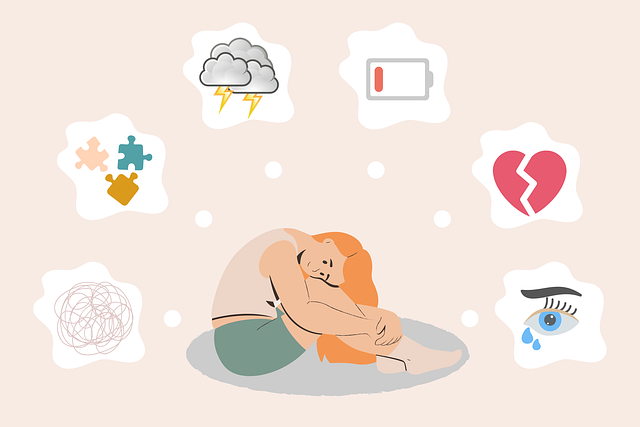
AI OverviewAsking why is trauma therapy so hard touches on a universal, grueling reality for survivors: the process of healing from psychological trauma almost always feels worse before it feels better. Trauma therapy is uniquely challenging because it requires a dysregulated nervous system to voluntarily re-engage with experiences it originally coded as life-threatening. When working through clinical modalities like EMDR, somatic experiencing, or cognitive processing, the brain temporarily reactivates survival networks, such as the fight, flight, freeze, or fawn responses, triggering severe emotional flooding, somatic exhaustion, and deep psychological resistance as the body confronts buried pain. |
The Reality of Healing: Why the Work Feels Unbearable
Entering clinical treatment to heal from post-traumatic stress disorder (PTSD), childhood adversity, or complex trauma (C-PTSD) usually begins with a singular hope: relief. Yet, for many individuals, the initial weeks and months of intervention bring unexpected turmoil. Sleep disturbances worsen, sudden irritability spikes, nightmares intensify, and everyday tasks feel monumental.
Understanding why is trauma therapy so hard requires discarding the misconception that emotional healing is simply a matter of “talking through” a painful memory. Psychological trauma is not stored in the narrative-driven, logical prefrontal cortex. Instead, it is locked deep within the subcortical brain, the autonomic nervous system, and somatic tissue. When a clinician asks you to examine those historical experiences, your biology does not register a safe, collaborative office conversation, it registers an active, present-day threat to your survival.
1. The Amygdala Cannot Tell Time
One of the foundational reasons trauma therapy causes intense distress relates to how the brain processes and archives traumatic memories. Under normal, non-traumatic circumstances, the hippocampus acts as a psychological librarian, time-stamping experiences and filing them neatly away as events that happened safely in the past.
During acute or prolonged trauma, floods of stress hormones, specifically cortisol and adrenaline, overwhelm the hippocampus, disabling its ability to time-stamp the event properly. Consequently, the amygdala, the brain’s primitive threat-detection center, files the memory not as a historical event, but as an ongoing, continuous emergency.
When therapy coaxes you to look at, speak about, or somaticize that memory, your amygdala reacts as though the original threat is happening right this second. The raw, visceral panic you feel sitting on a therapist’s couch is your body executing an ancient, hardwired survival reflex. To safely navigate this physiological activation, many individuals benefit from structured professional guidance through online therapy for trauma and PTSD, which provides a steady clinical framework during high-stress processing.

2. Operating Outside the Window of Tolerance
Coined by pioneer psychiatrist Dr. Dan Siegel, the “window of tolerance” describes the optimal zone of emotional arousal where a human being can effectively function, process information, manage emotional data, and cope with daily stressors. Severe trauma drastically narrows this window, trapping individuals in chronic states of hyperarousal (anxiety, hypervigilance, panic, rage) or hypoarousal (numbness, dissociation, dorsal vagal collapse).
Trauma therapy deliberately pushes against the edges of this fragile window to expand it over time, a clinical process known as titration. However, dipping even slightly outside your window of tolerance causes severe emotional flooding. You may experience intense flashbacks, physical pain, or total cognitive shutdown, making the therapeutic process feel overwhelming, punishing, and counterproductive. When autonomic dysregulation triggers pervasive worry or low mood alongside trauma work, incorporating online therapy for anxiety or specialized online depression therapy helps stabilize co-occurring symptoms.
3. The Exhaustion of Somatic Processing
Traditional talk therapy is frequently insufficient for deep trauma recovery because trauma lives explicitly in the body. Modalities like Somatic Experiencing, Sensorimotor Psychotherapy, and eye movement desensitization and reprocessing (EMDR) require intense body-based awareness, paying close attention to muscle bracing, visceral sensations, and autonomic shifts.
Confronting the physical manifestations of trauma is profoundly draining. When you have spent years holding your breath, tightening your shoulders, or numbing your physical sensations just to survive daily life, unfreezing those defensive armoring patterns requires massive metabolic and emotional energy. This heavy physical fatigue is a primary driver behind why people wonder why is trauma therapy so hard after spending just one hour processing historical events.
4. Grief Replaces Numbness
For many trauma survivors, emotional numbness, depersonalization, dissociation, or intellectualization served as vital survival shields for decades. These psychological defenses kept you functioning through impossible environments, holding down jobs, and interacting with the world.
As trauma therapy progresses and safety is established, those protective walls naturally begin to soften. Beneath the numbness, however, lies profound grief, rage, and terror that were far too dangerous to feel when the trauma originally occurred. Grieving the childhood you deserved, the safety you lost, or the years spent surviving in hypervigilance is agonizing. Letting go of familiar coping mechanisms, even unhealthy ones, feels terrifyingly like losing your only armor.
5. Navigating Relational Trauma and Clinical Resistance
Trusting a mental health professional when your fundamental blueprint for human relationships involves betrayal, manipulation, or danger is an immense hurdle. The therapeutic relationship itself frequently becomes a battleground for transference and triggers.
If you experienced complex relational trauma, your nervous system may actively sabotage the therapeutic alliance, constantly scanning the clinician for signs of rejection, judgment, or control. This psychological resistance is not a lack of commitment; it is your self-protective psyche guarding against perceived vulnerability.
Furthermore, when trauma responses, hypervigilance, and emotional exhaustion inevitably spill over into domestic life, integrating online couples and relationship counselling provides a structured space to navigate relational friction, rebuild mutual empathy, and support partners who feel helpless during recovery.
Recognizing the Signs You Are Pushing Too Hard
Because trauma therapy requires confronting immense psychological material, it is easy to cross the line from productive processing into re-traumatization. If you notice any of the following warning signs, your nervous system is likely overloaded:
- Chronic, debilitating exhaustion that persists for days following a therapy session.
- A sudden, sharp increase in intrusive thoughts, nightmares, or severe depressive episodes.
- Intense dread, panic, or active avoidance regarding upcoming therapy appointments.
- Extended periods of dissociation where you feel completely detached from your body or reality.
If these symptoms sound familiar, it does not mean your therapy is failing. Often, it indicates that the clinical pacing needs to be adjusted, shifting focus back toward foundational stabilization, somatic grounding exercises, and nervous system regulation before attempting to process deeper historical pain. Recognizing early signs you need trauma therapy is vital, but understanding how to pace that healing journey is equally critical for long-term recovery.
How to Navigate the Hardest Parts of Trauma Healing
Mitigating the overwhelming intensity of trauma work requires intentional pacing, radical self-compassion, and structural support both inside and outside the clinical room.
- Prioritize Stabilization Over Processing: Never rush into deep narrative trauma work before establishing internal and external safety. Work with your clinician on resource development, emotional regulation, and container exercises.
- Embrace Titration: Process your trauma in small, digestible increments, much like opening a carbonated bottle slowly to let the built-up pressure release without an explosion.
- Involve Your Support System: Healing from severe adversity, particularly early-life wounds like healing from childhood trauma, places immense strain on personal relationships. Bringing partners or family members into the loop through specialized support helps bridge the empathy gap.

Frequently Asked Questions (FAQs)
Why do I feel worse after starting trauma therapy?
Feeling worse initially is a common and expected part of trauma recovery. When you open doors that were tightly locked for years, stored emotions, somatic tension, and grief rush to the surface before neurological integration takes place.
How long does it take for trauma therapy to start feeling helpful?
There is no fixed timeline, as it depends on the severity of the trauma, the stability of your current life environment, and the therapeutic modality used. However, many clients begin noticing subtle shifts in nervous system awareness within 3 to 6 months of consistent, well-paced work.
Is it normal to want to quit trauma therapy?
Yes. Resistance and the intense urge to flee therapy are classic trauma responses. Your brain recognizes that therapy is altering its status quo and perceives that change as a direct threat to its established survival patterns.
What is the best type of therapy for complex trauma?
Modalities that incorporate both somatic regulation and cognitive processing, such as EMDR, Somatic Experiencing, Accelerated Resolution Therapy (ART), and Trauma-Focused CBT, are widely considered the most effective for complex trauma recovery.
Medical Disclaimer & E-E-A-T AttributionThis article is for educational purposes and does not replace personalized medical or psychological advice. If you are recovering from a brain injury, trauma, or a mental health condition, work with a licensed clinician to build a plan suited to your situation. Written by: Adil Farooq, Psychiatry Magazine Medically reviewed by: [Dr. Adil Farooq MS · PhD] · Updated: 2026 |