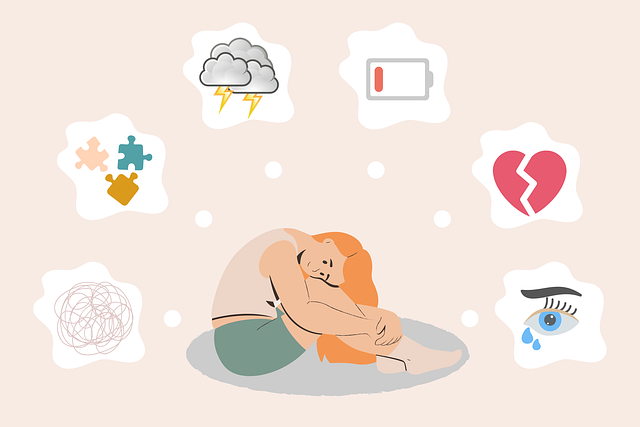
Quick Clinical AnswerA PTSD episode is a sudden, involuntary trauma response in which the brain’s threat-detection system reacts to a trigger as if the original trauma were happening again. It typically involves hyperarousal (a racing heart, panic, hypervigilance), dissociation (feeling detached or “checked out”), and intense emotional or physical distress that can last minutes to several hours. |
What Is a PTSD Episode, Exactly?
Clinicians don’t use “PTSD episode” as a formal diagnostic term, it doesn’t appear in the DSM-5-TR, but it’s the phrase most people reach for when describing an acute flare-up of post-traumatic stress disorder. Where PTSD itself is the underlying, chronic condition, an episode is the acute event: a sudden surge of one or more of the disorder’s core symptom clusters, triggered by something in the present moment that the nervous system has linked, rightly or wrongly, to a past trauma.
The signs and symptoms of PTSD are typically grouped into four clinical clusters. A PTSD episode is what happens when one or more of these clusters spikes sharply enough to overwhelm a person’s ability to stay grounded in the present:
- Intrusion, flashbacks, nightmares, or intrusive thoughts that force the trauma back into conscious awareness.
- Avoidance, steering away from people, places, or conversations that resemble the traumatic event.
- Negative alterations in cognition and mood, shame, guilt, emotional numbness, or a distorted sense of blame.
- Alterations in arousal and reactivity, hypervigilance, irritability, an exaggerated startle response, and hyperarousal.
An episode can look like a flashback, a dissociative “shutdown,” a hyperarousal spike, or, most often, some blend of all three, described in more detail below.
The Neurobiology Behind a PTSD Episode: The Amygdala Hijack
Understanding what a PTSD episode looks like starts in the brain, not the behavior. Trauma changes how three regions communicate: the amygdala (the brain’s threat detector), the hippocampus (which timestamps memories and files them as “past”), and the prefrontal cortex (which normally applies reasoning and puts the brakes on fear).
In a well-regulated nervous system, a loud noise is flagged by the amygdala, briefly raises alertness, and is quickly reassessed and dismissed by the prefrontal cortex once it’s identified as harmless. After trauma, that circuit is rewired: the amygdala becomes oversensitive, the hippocampus struggles to file trauma memories with an accurate timestamp, and the prefrontal cortex’s calming influence weakens. The result is often called an “amygdala hijack”, the threat-detection system fires before the thinking brain can evaluate whether the danger is real, and the body’s nervous system gets stuck in fear mode long after the actual danger has passed.

This hijack activates the sympathetic nervous system, the body’s fight, flight, freeze, or fawn response, flooding the bloodstream with adrenaline and cortisol. Heart rate and blood pressure spike, breathing becomes shallow, digestion pauses, and blood is redirected to the muscles. This is hyperarousal, and it is the physiological engine behind most of what a PTSD episode looks like from the outside.
What Triggers a PTSD Episode? Onset and Sensory Memory
PTSD episodes rarely appear out of nowhere; they are set off by triggers, cues the brain has associated with the original trauma. These generally fall into two categories:
- External triggers: a specific smell, a tone of voice, a crowded room, a song, a date on the calendar, a location, or a scene in a film.
- Internal triggers: a racing heart from exercise, a stray thought, a specific emotion (like feeling trapped or humiliated), or even a dream.
The reason triggers can feel so specific and seemingly random comes back to the hippocampus disruption described above. Traumatic memories are often stored as fragmented sensory impressions, an image, a sound, a smell, rather than a coherent, time-stamped narrative. When one of those fragments resurfaces, the brain can respond as though the entire event were recurring in real time. This is precisely what happens during a sudden emotional flashback: the person isn’t just remembering the trauma, they are neurologically re-experiencing it.
What a PTSD Episode Feels Like on the Inside
Bystanders can only see behavior. The internal experience of a trauma response is often far more disorienting than it appears from the outside.
- A sudden, overwhelming sense that danger is imminent, even in an objectively safe setting
- A racing heart, tight chest, nausea, or trembling
- Tunnel vision, or a sense that sounds are muffled or far away
- Time distortion, seconds can feel like minutes, or a whole event can feel compressed
- Depersonalization (feeling detached from one’s own body) or derealization (the world feeling unreal or dreamlike)
- Intrusive sensory fragments, a smell, sound, or image from the trauma resurfacing uninvited
- Shame, self-blame, or the conviction that something is “wrong with me”
- A powerful urge to flee, hide, freeze in place, or comply and appease (the lesser-known “fawn” response)
What a PTSD Episode Looks Like From the Outside
For partners, family members, coworkers, or friends, an episode can be confusing precisely because so much of it is invisible. Common external signs of a PTSD attack include:
- A sudden, blank, “thousand-yard stare” or glazed expression
- Going quiet mid-conversation or becoming unresponsive to their name
- Rapid, shallow breathing or visible shaking
- Flinching at sudden movement, touch, or sound
- Repeatedly scanning the room (hypervigilance) or positioning themselves near an exit
- Sudden irritability, anger outbursts, or snapping at a minor comment
- Pacing, rocking, or other repetitive self-soothing movements
- Crying without an obvious cause, or, conversely, an eerie emotional flatness
- Difficulty answering simple questions or seeming “not present” for several minutes
Because a PTSD episode can resemble other acute mental-health experiences, it’s often misidentified as something else entirely. The table below breaks down the clinical distinctions.
PTSD Episode vs. Panic Attack vs. Emotional Flashback: A Clinical Comparison
| Feature | PTSD Episode | Panic Attack | Emotional Flashback |
| Primary Trigger | A specific trauma-linked cue (sound, smell, sight, memory) | Often none identifiable; can be spontaneous | A trauma-linked cue, often subtle or unconscious |
| Core Experience | Re-experiencing the trauma response (fight, flight, freeze, or dissociation) | Acute, standalone surge of fear or anxiety | Overwhelming emotion (shame, fear, helplessness) without a clear visual memory |
| “Now” vs. “Then” | Often blurred, may feel like the trauma is happening again | Fully oriented to the present; fear centers on dying or losing control | Frequently no awareness a memory is the cause; feels like a mood, not a memory |
| Dissociation Present? | Common | Rare | Very common |
| Typical Duration | Minutes to a few hours | Peaks within 10 minutes, resolves in 20–30 minutes | Can last hours; sometimes bleeds into the rest of the day |
| Physical Symptoms | Racing heart, hypervigilance, muscle tension, flinching | Chest pain, choking sensation, chills, fear of dying | Variable; somatic tension without one clear symptom peak |
| Underlying Mechanism | Amygdala hijack plus sympathetic nervous system activation tied to trauma memory | Sympathetic nervous system activation, often unrelated to trauma | Implicit (non-verbal) traumatic memory activation, often from childhood |
| Best Immediate Response | Grounding and orientation to present-moment safety cues | Slow breathing and reassurance that it will pass | Grounding plus explicitly naming the present (‘I am an adult now, not back then’) |
Three Core Presentations of a PTSD Episode
Hyperarousal Episodes
The sympathetic nervous system dominates: a racing heart, a flood of adrenaline, hypervigilant scanning of the environment, irritability, and a hair-trigger startle response. From the outside, this often looks like sudden anger, restlessness, or panic.
Dissociative Episodes
The nervous system’s freeze response takes over: emotional numbing, depersonalization, derealization, “checking out” mid-conversation, zoning out, or short memory gaps. This is the quieter, more easily missed presentation of PTSD dissociation.
Re-experiencing (Flashback) Episodes
Vivid, intrusive sensory fragments of the trauma resurface, sometimes as full sensory flashbacks in which the body reacts as though the event is happening now, complete with matching posture, breathing, or vocalizations from the original experience.
These presentations aren’t mutually exclusive. Many people cycle through hyperarousal into dissociation within a single episode as the nervous system attempts, unsuccessfully at first, to regulate itself.
How Long Does a PTSD Episode Last?
Most PTSD episodes peak within the first several minutes and begin to subside within 20 minutes to a few hours, though the exact timeline varies by person, trigger intensity, and the coping resources available in the moment. Severe or complex trauma histories can produce episodes that last most of a day, particularly when dissociation is involved. What follows an episode, sometimes called an “emotional hangover”, often includes exhaustion, muscle soreness, foggy thinking, and a heightened sensitivity that can linger for the rest of the day.
The Ripple Effect: How PTSD Episodes Impact Partners and Marriages
A PTSD episode rarely stays contained to the person experiencing it. Partners often describe a bewildering cycle: their loved one seems to “disappear” mid-conversation, lash out over something minor, or withdraw completely, with no obvious cause. Over time, this can produce a specific relational pattern, the non-traumatized partner becomes hypervigilant themselves, walking on eggshells to avoid triggering an episode, while the traumatized partner may withdraw further out of shame or the belief that they’re “too much” to be loved. Left unaddressed, this dynamic can erode trust, physical intimacy, and communication faster than the original trauma itself.
Because these episodes are, at their core, a nervous-system event rather than a character flaw or a relationship failure, couples often benefit from structured, professional support that treats the trauma response as a shared problem to manage rather than a personal grievance to litigate. Working with a therapist trained in trauma’s relational impact through online couples and relationship counselling can help both partners learn to recognize the early warning signs of an episode, de-escalate safely in the moment, and rebuild a sense of security without walking on eggshells indefinitely.
Life After the Episode: Chronic Symptoms and Daily Impact
A single episode is often just the visible spike on top of a much quieter, chronic baseline. Between acute episodes, many people live with chronic PTSD symptoms: sleep disruption and nightmares, difficulty concentrating, a shortened emotional fuse, avoidance of certain routines or places, and a nervous system that never fully stands down. Understanding how trauma shows up in daily life beyond the dramatic, visible moments is often the missing piece for people who assume that because they aren’t currently having an “episode,” they must be fine.
Left unaddressed, this chronic activation is associated with cardiovascular strain, autoimmune flare-ups, chronic pain, and a significantly elevated risk of comorbid depression, anxiety, and substance use, one more reason early, targeted treatment matters as much as episode-specific coping skills.
How to Help Someone During a PTSD Episode
The goal in the moment isn’t to “fix” the episode, it’s to help the nervous system recognize that it is safe to stand down. A few evidence-informed approaches:
- Stay calm and lower your voice. A steady, quiet tone signals safety to an activated nervous system faster than words do.
- Avoid sudden touch. Ask before making physical contact, unexpected touch can intensify a fight-or-flight response.
- Use short, grounding language. Concrete, present-tense phrases work best: “You’re safe. You’re in [location]. It’s [year].”
- Try the 5-4-3-2-1 technique. Gently guide them to name 5 things they can see, 4 they can touch, 3 they can hear, 2 they can smell, and 1 they can taste.
- Don’t demand explanations mid-episode. Processing what happened can wait until the nervous system has settled.
- Give them room, but don’t disappear. Staying nearby without crowding communicates safety without adding pressure.

When to Seek Professional Help
Occasional, mild PTSD episodes are common and don’t necessarily require emergency care. Certain signs, however, warrant a prompt professional evaluation:
- Episodes are increasing in frequency, intensity, or duration
- Dissociative episodes involve memory gaps or unsafe behavior, such as driving or wandering
- Substances are being used to manage or numb symptoms
- Relationships or work are being consistently disrupted
- Thoughts of self-harm or suicide accompany episodes
If someone is having thoughts of suicide or self-harm, they should not wait for the next episode to pass on its own. In the U.S., the 988 Suicide & Crisis Lifeline (call or text 988) is available 24/7. Evidence-based treatments, including trauma-focused CBT, EMDR, and prolonged exposure therapy, are well-supported by research and are highly effective at reducing both the frequency and severity of PTSD episodes over time.
Frequently Asked Questions
What does a PTSD episode look like?
It can look like a blank, distant stare, sudden silence, rapid breathing, flinching, or an outburst of anger, all signs that the nervous system has shifted into a fight, flight, freeze, or dissociative state triggered by a trauma-linked cue.
How long does a PTSD episode usually last?
Most episodes peak within minutes and resolve within 20 minutes to a few hours, though severe or dissociative episodes can extend across most of a day.
What’s the difference between a PTSD episode and a panic attack?
A panic attack is a standalone surge of fear that isn’t necessarily linked to a specific memory, while a PTSD episode is triggered by a cue connected to a past trauma and often involves dissociation or a sense of reliving the event.
Can a PTSD episode happen without an obvious trigger?
Yes. Internal triggers, a stray thought, a physical sensation, or even a dream, can set off an episode just as easily as an external cue like a sound or smell.
Is dissociation always part of a PTSD episode?
No, but it’s common. Some episodes are dominated by hyperarousal (panic, anger, hypervigilance), while others are dominated by dissociation (numbness, “checking out,” memory gaps).
Is a PTSD episode different from a Complex PTSD (C-PTSD) episode?
Complex PTSD, which typically follows prolonged or repeated trauma, involves the same core mechanisms but often adds more pervasive emotional dysregulation, relationship difficulties, and a persistently negative self-concept between episodes.
How can I support my partner through a PTSD episode?
Stay calm, avoid sudden touch, use short grounding phrases that orient them to the present, and give them space to recover without demanding an explanation right away.
Do PTSD episodes get better with treatment?
Yes. Trauma-focused therapies such as EMDR, CBT, and prolonged exposure are well-supported by research and typically reduce both the frequency and severity of episodes over time.
Medical Disclaimer & E-E-A-T AttributionThis article is for educational purposes and does not replace personalized medical or psychological advice. If you are recovering from a brain injury, trauma, or a mental health condition, work with a licensed clinician to build a plan suited to your situation. Written by: Adil Farooq, Psychiatry Magazine Medically reviewed by: [Dr. Adil Farooq MS · PhD] · Updated: 2026 |