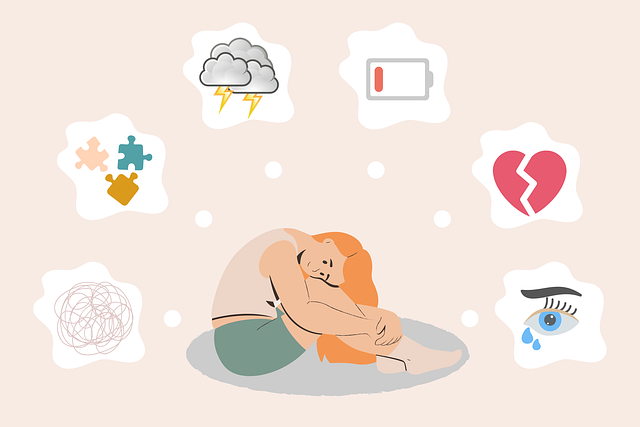
Quick AnswerSomatic trauma therapy treats trauma as a physical imprint left on the nervous system, not just a psychological memory. Guided by frameworks like polyvagal theory, therapists help clients notice bodily sensations and safely discharge stored survival energy. This body-based approach can ease hypervigilance, flashbacks, and chronic tension, offering profound relief when traditional talk therapy alone has not fully resolved symptoms. |
When a distressing experience overwhelms someone’s capacity to cope, the impact rarely stays contained in memory alone. It settles deeply into posture, breath, and muscle tone, a racing heart at an unexpected sound, a jaw that will not unclench, or a stomach that stays in knots long after the danger has passed. Somatic trauma therapy was developed to address exactly this gap: the critical space between remembering what happened intellectually and actually feeling safe in one’s own body again.
Rather than relying solely on verbal discussion, somatic trauma therapy uses the language of physical sensation to help the nervous system complete what it could not finish in the moment of threat. By exploring the mind-body connection, this guide explains the neuroscience behind the approach, how it differs from traditional cognitive therapy, what a session looks like, and how to know if it is the right fit for your healing journey.
What Is Somatic Trauma Therapy?
Somatic trauma therapy is a comprehensive, body-based treatment approach that helps individuals process traumatic stress by working directly with physical sensation, breath, posture, and movement, rather than through verbal recall alone. The term serves as an umbrella for several related clinical methods, including Somatic Experiencing (developed by Dr. Peter Levine), Sensorimotor Psychotherapy (developed by Dr. Pat Ogden), polyvagal-informed therapy, and trauma-sensitive yoga.
The unifying premise across all these specialized methods is that trauma is stored not just as a narrative memory, but as an unresolved physiological state. Talking about an event can build cognitive understanding, but it does not automatically teach the body that the danger has passed. Somatic work closes that loop by helping the nervous system gently discharge the survival energy it mobilized but never fully released.
The Neurobiology of Trauma: Why the Body Remembers
Trauma responses are governed by the autonomic nervous system (ANS), the complex neural network that regulates involuntary functions such as heart rate, digestion, and breathing. According to polyvagal theory, developed by neuroscientist Dr. Stephen Porges, the ANS operates through a hierarchy of three primary circuits: the ventral vagal state (associated with safety and social connection), the sympathetic state (which drives fight-or-flight mobilization), and the dorsal vagal state (which produces shutdown, numbing, or a freeze response).
When a threat is severe, sudden, or inescapable, the body can become locked in a sympathetic or dorsal vagal pattern long after the traumatic event has ended. This is why someone with unresolved trauma may feel chronically on edge or, conversely, chronically flat and disconnected.
A related clinical concept is the window of tolerance, a term coined by psychiatrist Dr. Dan Siegel, which describes the optimal zone of physiological arousal in which a person can think, feel, and respond flexibly. Trauma drastically narrows that window, meaning ordinary, everyday stress can push someone into hyperarousal or dorsal shutdown far more easily than before.
Somatic trauma therapy relies heavily on interoception: the sense of what is happening inside the body. Building interoceptive awareness gives clients a powerful early-warning system for rising activation, so they can intervene with somatic regulation skills before a full stress response takes hold.
A Clinical Perspective on Somatic Healing
“In my practice, I often see clients who have done years of insight-oriented work and can narrate their trauma fluently, yet their body still reacts as if the danger is current. That mismatch is not a failure of the client or of talk therapy, it reflects how implicit, body-based memory is encoded differently than verbal memory. Somatic trauma therapy gives the nervous system, not just the intellect, a vital chance to update and heal.”
, Dr. Elena Marsh, PsyD
Common Trauma Responses Explained
Trauma responses are not conscious choices; they are automatic survival strategies orchestrated rapidly by the nervous system. The table below maps each core response to its underlying biological function and how it tends to show up in daily life.
| Trauma Response | Nervous System State | Biological Function | How It Shows Up Day to Day |
| Fight | Sympathetic activation | Mobilizes the body to confront a threat directly. | Irritability, anger outbursts, a rigid need to control situations. |
| Flight | Sympathetic activation | Mobilizes the body to rapidly escape a threat. | Restlessness, chronic overworking, avoidance, difficulty sitting still. |
| Freeze | Dorsal vagal shutdown | Conserves energy when fight or flight is completely impossible. | Feeling stuck, emotionally numb, brain fog, or extreme physical heaviness. |
| Fawn | Blended sympathetic / social-engagement | Appeases a threat to reduce danger, often rooted in complex relational trauma. | People-pleasing, extreme difficulty setting boundaries, over-apologizing. |
Recognizing the Signs Somatic Work Can Address
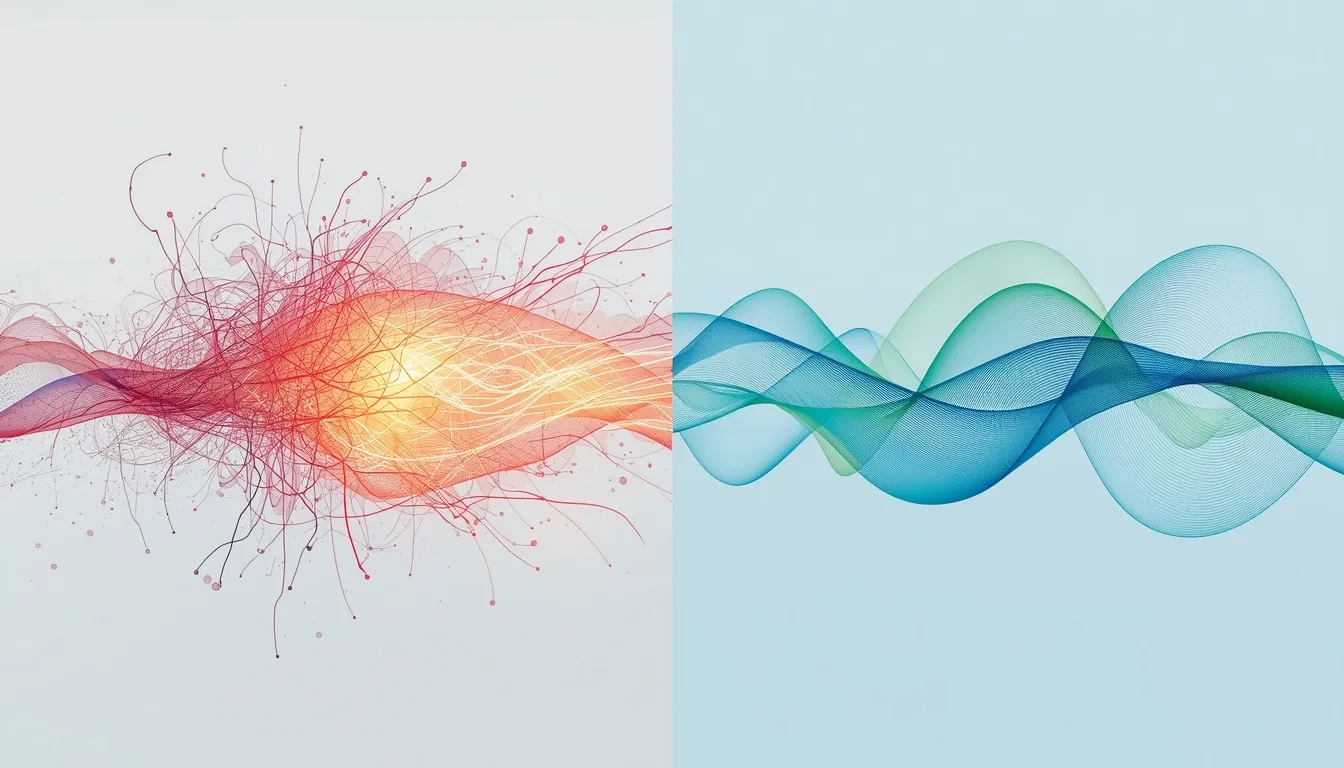
Unresolved trauma responses often persist as recognizable, deeply uncomfortable patterns long after the original event. Common signs that somatic trauma therapy may be beneficial include:
- Hypervigilance: A persistent, exhausting sense of scanning the environment for danger.
- Dissociation: Feeling severely detached from the body, surroundings, or one’s own emotions.
- Emotional Flashbacks: Sudden, intense waves of fear, shame, or panic without a clear present-day trigger.
- Chronic Physical Tension: Unexplained tight shoulders, a clenched jaw, shallow breathing, or chronic digestive distress.
- Startle Response: An exaggerated physical reaction to sudden sounds or unexpected movement.
These symptoms frequently overlap with co-occurring anxiety, as both involve a highly dysregulated stress-response system. Clients experiencing this overlap often benefit immensely from an integrated treatment plan that addresses trauma and anxiety symptoms together somatically, rather than treating them in isolation.
PTSD, Complex PTSD, and Acute Stress: Clarifying the Diagnoses
Trauma-related diagnoses are frequently confused with one another. The DSM-5-TR and ICD-11 provide distinct criteria for each, summarized below to help clarify treatment paths.
| Diagnostic Feature | Acute Stress Disorder | PTSD | Complex PTSD (C-PTSD) |
| Typical Cause | Single recent traumatic event. | Single or repeated traumatic event(s). | Prolonged, repeated trauma, often relational or developmental. |
| Symptom Onset | Within 3 days to 1 month of the event. | Persisting beyond 1 month. | Persisting beyond 1 month; usually long-standing. |
| Core Symptoms | Intrusion, avoidance, dissociation, arousal. | Intrusion, avoidance, negative mood/cognition, hyperarousal. | All PTSD symptoms plus emotional dysregulation, negative self-concept, and relationship disturbances. |
| Recognized In | DSM-5-TR | DSM-5-TR; ICD-11 | ICD-11 (formal diagnosis); heavily described in DSM-5-TR literature. |
How Somatic Trauma Therapy Works in Practice
Therapy sessions are meticulously structured around a set of core techniques designed to build nervous system regulation gradually, rather than re-immersing a client in overwhelming, triggering material:
- Titration: Working with small, manageable increments of traumatic material instead of facing the full intensity all at once.
- Pendulation: Intentionally and safely moving attention between states of activation and states of calm to build the nervous system’s flexibility.
- Resourcing: Identifying internal or external sources of safety and stability (like a memory or a physical posture) that the client can reliably return to.
- Tracking: Noticing physical sensations moment to moment, entirely without judgment, as they shift and flow through the body.
Somatic methods are frequently integrated with other evidence-based trauma treatments. For instance, EMDR therapy uses bilateral stimulation to help the brain reprocess traumatic memories. Many trauma-informed clinicians purposefully combine EMDR’s memory-reprocessing focus with somatic regulation skills for a much more comprehensive, holistic course of treatment.
What to Expect in a Somatic Trauma Therapy Session
A typical session does not require recounting the traumatic event in agonizing detail. Instead, the therapist guides the client to gently notice present-moment physical sensations, tightness, warmth, trembling, or ease, while remaining strictly within a manageable range of activation.
Sessions may include brief mindfulness check-ins, gentle physical movement, breathwork, or guided attention to specific bodily cues. The pace is deliberately slow: the ultimate goal is sustainable nervous system change, not rapid emotional catharsis, and a skilled therapist will continually monitor the client’s limits throughout the hour.

Somatic Therapy vs. Traditional Talk Therapy
Cognitive-behavioral approaches focus primarily on identifying and restructuring unhelpful thought patterns, and they remain well-supported for many trauma presentations. Somatic trauma therapy does not replace this important work; it actively complements it by addressing the deep physiological layer that pure cognitive work can leave untouched.
Clients who feel they fully “understand” their trauma intellectually, but still react to reminders with intense physical distress, are usually excellent candidates for adding a body-based, somatic component to their psychiatric care.
When Trauma Overlaps With Depression
Chronic dorsal vagal shutdown, the freeze response, can look remarkably similar to clinical depression, presenting with extremely low energy, emotional numbness, social withdrawal, and difficulty feeling any pleasure. Because the underlying biological mechanisms differ, treatment for trauma-related depression often benefits from an approach that combines mood-focused interventions with direct nervous system regulation, rather than attempting to treat the depressive symptoms with medication or cognitive restructuring alone.
Conclusion
Trauma is not only a story the mind tells; it is a physical pattern the body holds. Somatic trauma therapy offers a deeply researched, evidence-informed path to addressing that physical layer directly, helping the nervous system effectively move out of chronic fight, flight, freeze, or fawn states and back toward genuine safety. For many people, especially those who have tried traditional talk therapy alone without finding full relief, adding body-based work can be the vital missing piece in a lasting, transformative recovery.
Frequently Asked Questions
What does somatic trauma therapy actually do?
It helps the body complete stress responses that a traumatic event left unfinished. Instead of only discussing the event cognitively, clients track physical sensations, such as muscle tension, trembling, or warmth, so the nervous system can safely discharge stored survival energy and settle into a much calmer physiological baseline.
Is somatic trauma therapy the same as somatic experiencing?
Somatic Experiencing is one specific, trademarked method within the much broader field of somatic trauma therapy. Other body-based approaches include sensorimotor psychotherapy, polyvagal-informed therapy, and trauma-sensitive yoga. A highly qualified therapist often blends several methods based on a client’s individual needs.
How long does somatic trauma therapy take to work?
Many clients begin to notice reduced physical reactivity and anxiety within 8 to 12 sessions, though healing timelines vary significantly with trauma history and complexity. Single-incident trauma often responds much faster than developmental or complex trauma (C-PTSD), which typically requires longer, carefully phased treatment.
Can somatic trauma therapy help with complex PTSD?
Yes, absolutely. Because complex PTSD (C-PTSD) involves prolonged, deep nervous system dysregulation, body-based somatic methods are very frequently recommended alongside traditional talk therapy. This combined approach addresses the hypervigilance, dissociation, and emotional flashbacks that purely cognitive approaches may struggle to fully reach.
What’s the difference between somatic therapy and EMDR?
EMDR utilizes bilateral stimulation (like eye movements or tapping) to help the brain cognitively reprocess traumatic memories, while somatic therapy focuses strictly on bodily sensation and nervous system regulation. Many elite trauma-informed therapists combine both modalities, since memory reprocessing and physical regulation consistently reinforce each other.
Medical Disclaimer & E-E-A-T AttributionThis article is for educational purposes and does not replace personalized medical or psychological advice. If you are recovering from a brain injury, trauma, or a mental health condition, work with a licensed clinician to build a plan suited to your situation. Written by: Adil Farooq, Psychiatry Magazine Medically reviewed by: [Dr. Adil Farooq MS · PhD] · Updated: 2026 |