Vagus nerve regulation is one of the most powerful yet overlooked ways to improve your mental health, reduce stress, and restore balance in your body. In today’s fast-paced, high-stress world, many people live in a constant state of tension without even realizing it—and that’s where regulating the vagus nerve becomes essential.
Your body isn’t designed to stay in “survival mode” all the time. Yet chronic stress, anxiety, trauma, and digital overload keep your nervous system stuck in a loop of overactivation. The result? Burnout, poor sleep, digestive issues, emotional instability, and long-term health problems.
This guide will walk you through everything you need to know about vagus nerve regulation—what it is, why it matters, the science behind it, and most importantly, how you can start regulating your nervous system today using simple, practical techniques.
What Is the Vagus Nerve?
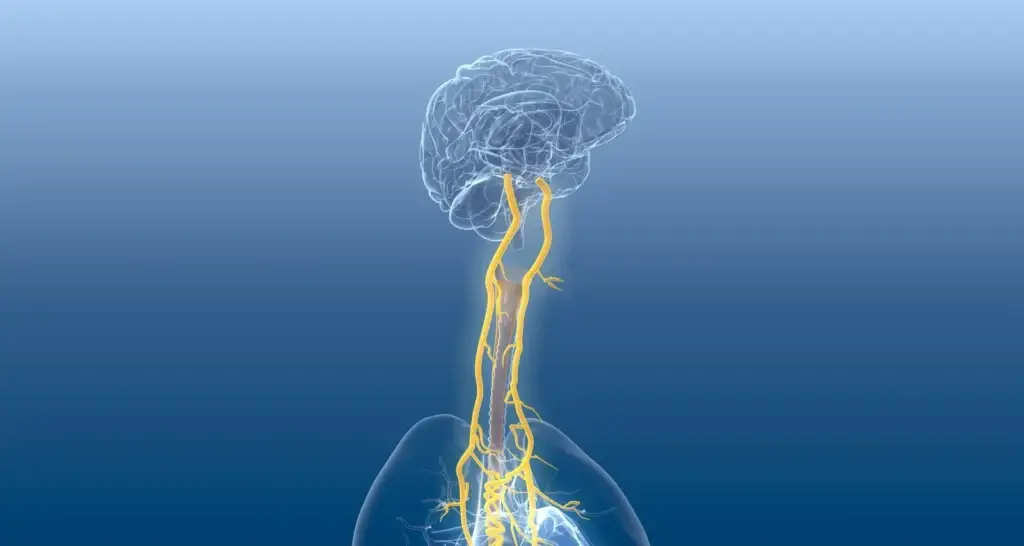
The vagus nerve is the longest cranial nerve in your body. It runs from your brainstem down through your neck and into your chest and abdomen, connecting major organs like your heart, lungs, and digestive system.
Think of it as a communication highway between your brain and body.
Key Functions of the Vagus Nerve:
- Regulates heart rate
- Controls digestion
- Supports breathing patterns
- Influences mood and emotional response
- Activates relaxation (parasympathetic state)
It plays a central role in the parasympathetic nervous system, also known as the “rest and digest” system. When your vagus nerve is functioning well, your body can relax, recover, and heal effectively.
Why Vagus Nerve Regulation Is Important
Modern life keeps many people stuck in the sympathetic nervous system—the “fight or flight” mode. This is useful in short bursts (like avoiding danger), but harmful when it becomes chronic.
Without proper vagus nerve regulation, you may experience:
- Constant anxiety or worry
- Rapid heart rate
- Digestive problems
- Emotional reactivity
- Chronic fatigue
With proper regulation, your body can:
- Return to a calm, balanced state
- Improve emotional control
- Enhance physical recovery
- Support long-term health
In simple terms, vagus nerve regulation helps your body switch off stress and switch on healing.
Signs of Poor Vagus Nerve Function
A dysregulated vagus nerve can show up in subtle but impactful ways.
Common Signs:
- Chronic stress or anxiety
- Panic attacks
- Irritable bowel or digestive discomfort
- Difficulty calming down after stress
- Poor sleep quality
- Brain fog
- Low emotional resilience
- Feeling “on edge” all the time
If you recognize several of these, your nervous system may be stuck in survival mode.
The Science Behind Vagus Nerve Regulation
Understanding the science makes it easier to trust the process.
Polyvagal Theory (Simplified)
Polyvagal Theory explains how your nervous system constantly scans for safety or danger.
There are three main states:
- Ventral Vagal State (Safe & Social)
- Calm, connected, relaxed
- Sympathetic State (Fight or Flight)
- Stress, anxiety, urgency
- Dorsal Vagal State (Shutdown)
- Numbness, fatigue, depression
Vagus nerve regulation helps you return to the safe and calm state more easily.
Neuroplasticity and Healing
Your nervous system can be trained.
The more you practice regulation techniques:
- The stronger your vagal tone becomes
- The faster you recover from stress
- The more stable your emotional baseline becomes
This is called neuroplasticity—your brain and body adapting through repeated experience.
Best Techniques for Vagus Nerve Regulation
Here’s where things become practical. These techniques are simple but powerful when done consistently.
1. Deep Breathing Exercises
How it works:
Slow breathing activates the vagus nerve and shifts your body into a relaxed state.
Try this:
- Inhale for 4 seconds
- Exhale for 6–8 seconds
- Repeat for 5–10 minutes
Tip: Longer exhales = stronger vagal activation.
2. Cold Exposure
How it works:
Cold stimulates the vagus nerve and improves stress resilience.
Try this:
- Splash cold water on your face
- Take a 30–60 second cold shower
Start small and build tolerance gradually.
3. Humming, Chanting, or Singing
How it works:
The vagus nerve connects to your vocal cords. Vibrations stimulate it directly.
Try this:
- Hum for 5 minutes
- Chant “OM” slowly
- Sing your favorite song
This is one of the easiest and most underrated methods.
4. Meditation and Mindfulness
How it works:
Reduces stress signals and increases parasympathetic activity.
Simple practice:
- Sit quietly for 10 minutes
- Focus on your breath
- Gently return attention when distracted
Consistency matters more than duration.
5. Gentle Movement (Yoga/Stretching)
How it works:
Releases stored tension and signals safety to the body.
Best options:
- Slow yoga
- Neck and shoulder stretches
- Walking in nature
Avoid intense workouts if you’re already stressed.
6. Social Connection
How it works:
Safe human interaction activates the “social engagement system.”
Try this:
- Eye contact with someone you trust
- Meaningful conversations
- Spending time with supportive people
Isolation weakens vagal tone—connection strengthens it.
7. Laughter and Positive Emotions
How it works:
Joy naturally regulates the nervous system.
Simple actions:
- Watch something funny
- Spend time with uplifting people
- Practice gratitude
8. Sleep Optimization
How it works:
Deep sleep restores nervous system balance.
Improve sleep by:
- Keeping a consistent schedule
- Avoiding screens before bed
- Creating a calm environment
Vagus Nerve Regulation Exercises (Step-by-Step)
Here are simple exercises you can start today.
Exercise 1: Physiological Sigh
- Inhale deeply through nose
- Take a second short inhale
- Slowly exhale through mouth
- Repeat 5 times
Exercise 2: Extended Exhale Breathing
- Inhale 4 seconds
- Exhale 8 seconds
- Continue for 5 minutes
Exercise 3: Neck Release
- Gently tilt head side to side
- Hold each side for 20 seconds
- Breathe slowly
Exercise 4: Eye Movement Reset
- Lie down
- Look straight ahead
- Slowly move eyes left and right
Exercise 5: Grounding Technique
- Name 5 things you see
- 4 things you feel
- 3 things you hear
This brings your body back to the present moment.
Benefits of Vagus Nerve Regulation
With consistent practice, you can experience:
Mental Benefits:
- Reduced anxiety
- Better emotional control
- Increased focus
- Improved mood
Physical Benefits:
- Better digestion
- Lower heart rate
- Improved sleep
- Reduced inflammation
Long-Term Benefits:
- Greater resilience to stress
- Balanced nervous system
- Enhanced overall well-being
Vagus Nerve Regulation and Mental Health
Your nervous system directly impacts your mental state.
Anxiety
A dysregulated vagus nerve keeps your body in a constant alert state.
Depression
Low vagal tone is linked to emotional shutdown and lack of motivation.
Trauma
Trauma can “rewire” the nervous system into survival mode.
Vagus nerve regulation helps restore safety.
Emotional Stability
When your vagus nerve is balanced:
- You respond instead of react
- You feel calmer under pressure
- recover faster from stress
Lifestyle Habits That Improve Vagal Tone
Small daily habits make a big difference.
1. Nutrition
- Eat whole, balanced foods
- Support gut health (fiber, probiotics)
2. Hydration
- Drink enough water daily
3. Physical Activity
- Regular but not excessive exercise
4. Reduce Screen Time
- Especially before bed
5. Build Safe Relationships
- Emotional safety is key for regulation
Common Mistakes to Avoid
Even good techniques can fail if applied incorrectly.
Avoid:
- Expecting instant results
- Doing too many techniques at once
- Being inconsistent
- Ignoring underlying stressors
- Forcing relaxation
Progress comes from regular, gentle practice.
Who Should Practice Vagus Nerve Regulation?
This is beneficial for almost everyone, especially:
- People with anxiety or stress
- Burnout professionals
- Trauma survivors
- Individuals with sleep issues
- Anyone seeking emotional balance
Expert Insights and Trust Signals
Research in neuroscience and psychology continues to show that the nervous system plays a central role in both mental and physical health.
Therapies like:
- Somatic therapy
- Breathwork practices
- Mindfulness-based stress reduction
all rely heavily on vagus nerve regulation principles.
Experts agree:
You cannot think your way out of stress—you must regulate your nervous system.
Frequently Asked Questions (FAQ)
1. What is vagus nerve regulation?
It is the process of activating and balancing the vagus nerve to shift the body into a calm, relaxed state.
2. How can I stimulate my vagus nerve quickly?
Try deep breathing, cold water on your face, or humming for immediate effects.
3. How long does it take to see results?
Some techniques work instantly, but long-term benefits require consistent practice over weeks.
4. Is vagus nerve stimulation safe?
Yes, natural techniques like breathing and meditation are safe for most people.
5. Can it help anxiety?
Yes, it directly reduces the body’s stress response, making it highly effective for anxiety.
6. Can I do it daily?
Absolutely. Daily practice leads to the best results.
Conclusion
Vagus nerve regulation is not just another wellness trend—it’s a scientifically backed approach to restoring balance in your body and mind.
In a world that constantly pushes you into stress, learning how to regulate your nervous system is one of the most valuable skills you can develop.
Start small:
- Take a few deep breaths
- Practice one technique daily
- Be consistent
Over time, these small actions create powerful changes.
Your body already knows how to heal—you just need to give it the right signals.