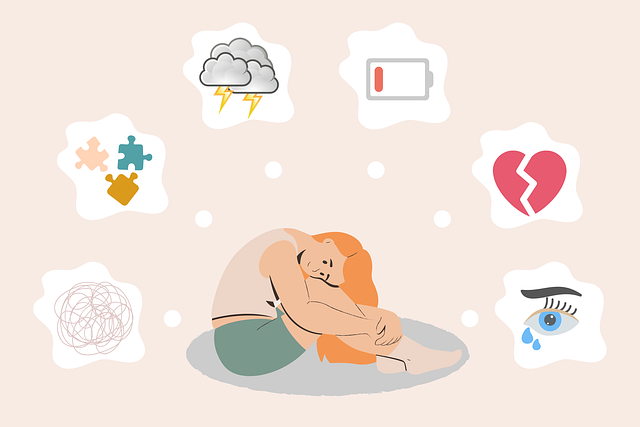
Childhood trauma effects can shape how a person thinks, feels, behaves, and connects with others for years—even decades—after the original experience. Many adults struggle with anxiety, low self-worth, or relationship difficulties without realizing that the root cause lies in unresolved trauma from early life. Childhood is a critical period of emotional and brain development, and when that development is disrupted by trauma, the impact can be deep and long-lasting.
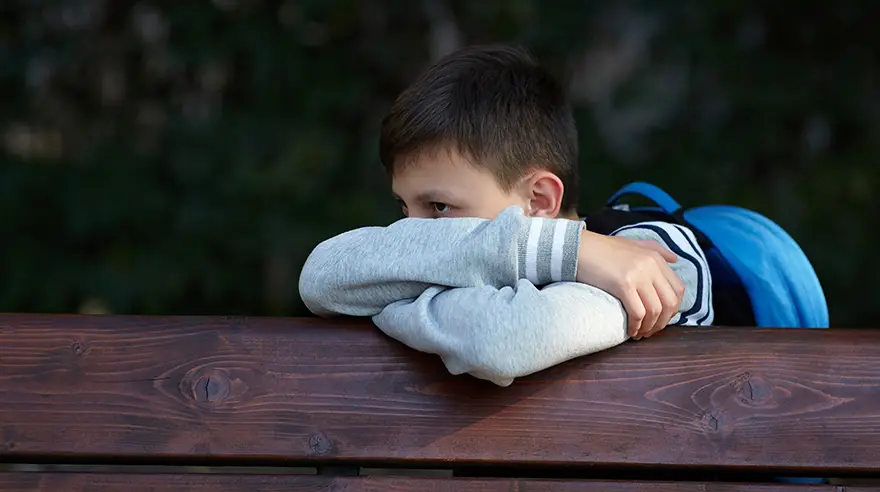
In this comprehensive, research-informed guide, you’ll learn exactly what childhood trauma effects are, how they influence the brain and behavior, how they show up in adulthood, and—most importantly—how healing is possible through proven, practical strategies.
What Are Childhood Trauma Effects?
Childhood trauma effects refer to the emotional, psychological, physical, and behavioral consequences that result from distressing or harmful experiences during childhood. These experiences overwhelm a child’s ability to cope and create lasting changes in how they perceive safety, trust, and self-worth.
Types of Childhood Trauma
Childhood trauma can take many forms:
- Emotional abuse: Constant criticism, rejection, humiliation
- Physical abuse: Harm or injury inflicted by a caregiver
- Sexual abuse: Any inappropriate sexual contact or exposure
- Neglect: Lack of emotional or physical care
- Household dysfunction: Growing up with addiction, violence, or instability
Adverse Childhood Experiences (ACEs)
ACEs are a widely studied framework that measures early trauma. Research shows that the higher a person’s ACE score, the greater their risk for mental and physical health problems later in life.
Types of Childhood Trauma
Emotional Abuse
Children who are constantly criticized or ignored often develop:
- Low self-esteem
- Fear of rejection
- Chronic self-doubt
Physical Abuse
Leads to:
- Fear-based behavior
- Hypervigilance
- Difficulty trusting others
Sexual Abuse
Often results in:
- Shame and guilt
- Relationship difficulties
- Emotional withdrawal
Neglect
Causes:
- Emotional emptiness
- Difficulty forming attachments
- Developmental delays
Witnessing Violence
Children exposed to violence may:
- Normalize aggression
- Develop anxiety and fear
- Struggle with emotional regulation
Childhood Trauma Effects on the Brain
Trauma significantly alters brain development.
Stress Hormones
Chronic trauma increases cortisol levels, keeping the body in a constant state of stress.
Brain Development Impact
- Amygdala becomes overactive → heightened fear response
- Prefrontal cortex underdeveloped → poor decision-making
- Hippocampus affected → memory issues
Emotional Regulation
Children with trauma struggle to:
- Manage emotions
- Feel safe
- Respond calmly to stress
Emotional Childhood Trauma Effects
- Anxiety: Constant worry and fear
- Depression: Persistent sadness and hopelessness
- Emotional numbness: Feeling disconnected
- Insecurity: Fear of abandonment
These emotional patterns often continue into adulthood.
Behavioral Childhood Trauma Effects
- Self-sabotage
- Addiction tendencies
- Avoidance behavior
- Anger outbursts
These behaviors are often coping mechanisms rather than intentional choices.
Childhood Trauma Effects in Adults
Adults with unresolved trauma may experience:
Relationship Issues
- Fear of intimacy
- Trust problems
- Codependency
Career Impact
- Lack of focus
- Fear of failure
- Procrastination
Identity Struggles
- Low self-worth
- Confusion about purpose
Trauma Response Types
Fight
- Anger, aggression, control
Flight
- Overworking, avoiding problems
Freeze
- Feeling stuck, numb, inactive
Fawn
- People-pleasing, lack of boundaries
Physical and Health Effects
- Chronic fatigue
- Sleep problems
- Weak immune system
- Psychosomatic symptoms (body pain without clear cause)
Childhood Trauma Effects on Relationships
- Difficulty trusting
- Fear of vulnerability
- Attraction to toxic patterns
- Emotional triggers
Long-Term Effects of Childhood Trauma
- Mental health disorders
- Emotional instability
- Risky behaviors
- Life dissatisfaction
Healing Childhood Trauma
Healing is possible with consistent effort.
Therapy
- Cognitive Behavioral Therapy (CBT)
- Trauma-focused therapy
Inner Child Work
- Reconnecting with past emotions
Journaling
- Processing thoughts and feelings
Mindfulness
- Staying present and calm
Healthy Habits
- Exercise, sleep, routine
When to Seek Professional Help
Seek help if you experience:
- Persistent anxiety or depression
- Relationship breakdowns
- Emotional numbness
- Trauma flashbacks
Myths vs Facts
Myth: Trauma only affects weak people
Fact: Trauma affects anyone exposed to distress
Myth: Time heals trauma
Fact: Healing requires active effort
Expert Insights
- Early intervention improves outcomes
- Awareness is the first step to healing
- Support systems are essential
Conclusion
Childhood trauma effects can be powerful, but they do not define your future. With the right tools, support, and understanding, healing is not only possible—it is achievable. Every step toward awareness and growth is a step toward reclaiming your life.
FAQs
What are childhood trauma effects?
They are long-term emotional and psychological impacts of early distressing experiences.
Can childhood trauma be healed?
Yes, with therapy, self-awareness, and support.
How does trauma affect adulthood?
It impacts relationships, mental health, and behavior.
What are trauma responses?
Fight, flight, freeze, and fawn reactions.
How to overcome childhood trauma?
Through therapy, habits, and emotional processing.