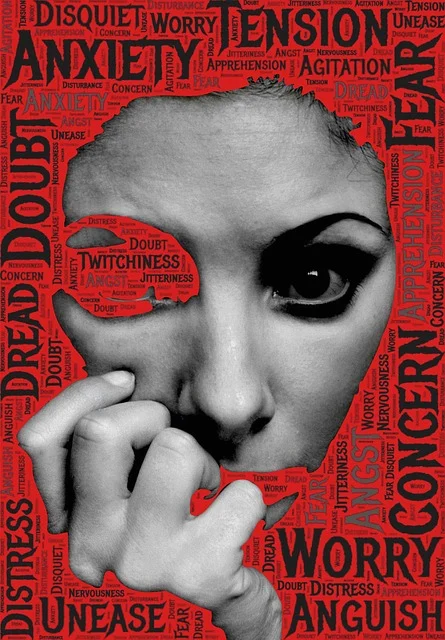
Psychosis is a serious mental health condition that affects how a person perceives reality. Individuals experiencing psychosis may have difficulty distinguishing between what is real and what is not, often involving hallucinations, delusions, or disorganized thinking.
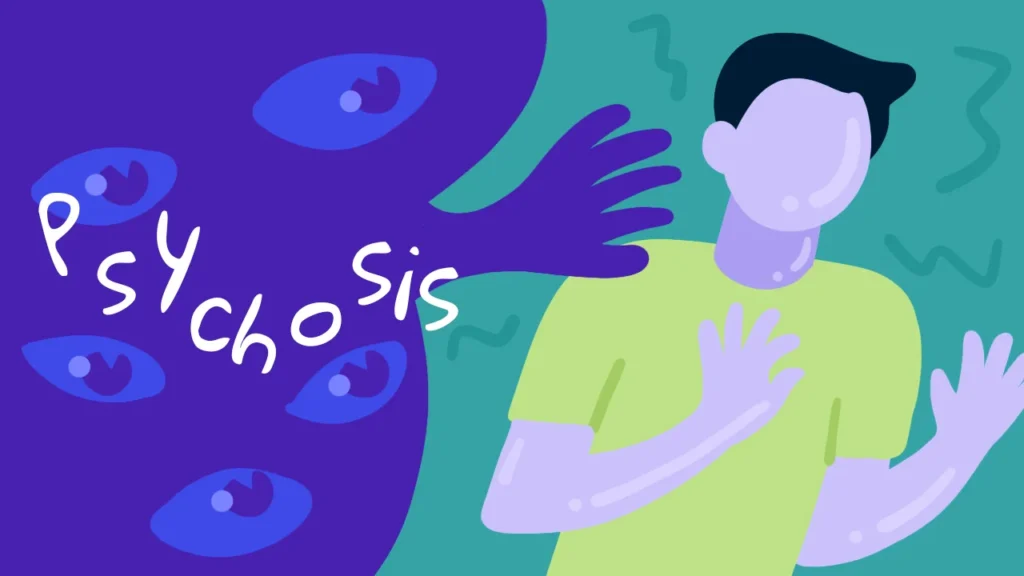
While psychosis can feel frightening, it is treatable, and early intervention can significantly improve outcomes.
What is Psychosis in Mental Health?
In psychological terms, psychosis refers to a loss of contact with reality. It is not a disorder itself but a symptom that can occur in various mental health conditions.
Key Features:
- Distorted perception of reality
- Impaired thinking
- Changes in behavior
Early Signs of Psychosis
Recognizing early signs is crucial.
Common Warning Signs:
- Social withdrawal
- Suspiciousness or paranoia
- Decline in performance (work/school)
- Unusual beliefs
- Emotional flatness
Psychosis Symptoms
1. Hallucinations
- Seeing or hearing things that are not real
2. Delusions
- Strong false beliefs (e.g., being watched or targeted)
3. Disorganized Thinking
- Difficulty speaking clearly
- Jumping between unrelated ideas
4. Behavioral Changes
- Agitation or withdrawal
- Unusual actions
Types of Psychosis
Schizophrenia-Related Psychosis
- Long-term condition
- Persistent symptoms
Bipolar Disorder Psychosis
- Occurs during manic or depressive episodes
Drug-Induced Psychosis
- Triggered by substances
Brief Psychotic Disorder
- Short-term episode due to stress
What Causes Psychosis?
Psychosis can result from multiple factors:
1. Stress and Trauma
- Severe emotional stress
- Traumatic experiences
2. Brain Chemistry
- Imbalance in neurotransmitters
3. Sleep Deprivation
- Lack of sleep affects brain function
4. Substance Use
- Drugs or alcohol
5. Genetic Factors
- Family history
Can Stress Cause Psychosis?
Yes, stress-induced psychosis is possible.
High levels of stress can:
- Overwhelm the brain
- Trigger hallucinations or paranoia
What Does Psychosis Feel Like?
People experiencing psychosis may feel:
- Confused
- Fearful
- Overwhelmed
- Disconnected from reality
Each person’s experience is different.
Is Psychosis Dangerous?
Psychosis itself is not always dangerous, but:
- It can lead to risky behavior
- Judgment may be impaired
Early treatment reduces risks.
Psychosis vs Other Mental Health Conditions
Psychosis vs Anxiety
- Anxiety = fear-based
- Psychosis = reality distortion
Psychosis vs Depression
- Depression affects mood
- Psychosis affects perception
Treatment for Psychosis
1. Medication
- Antipsychotics help manage symptoms
2. Therapy
- Cognitive Behavioral Therapy (CBT)
- Supportive counseling
3. Early Intervention Programs
- Improve long-term outcomes
Recovery from Psychosis
Recovery is possible with proper care.
Key Factors:
- Early diagnosis
- Consistent treatment
- Family and social support
How Long Does Psychosis Last?
Duration varies:
- Brief episodes → days/weeks
- Chronic conditions → longer-term management
Coping with Psychosis
Helpful Strategies:
- Stick to a routine
- Avoid stress triggers
- Stay connected with others
- Follow treatment plans
When to Seek Help
Seek immediate help if:
- Someone loses touch with reality
- Hallucinations or delusions appear
- Behavior becomes unsafe
Living with Psychosis
With the right support:
- People can live normal lives
- Symptoms can be managed
- Stability is achievable
Conclusion
Psychosis is a complex but treatable mental health condition. Understanding its symptoms, causes, and treatment options can help individuals and families respond effectively.
Early help makes a difference
Recovery is possible
Support is available
If you or someone you know is experiencing symptoms of psychosis, seeking professional help is an important step toward recovery.