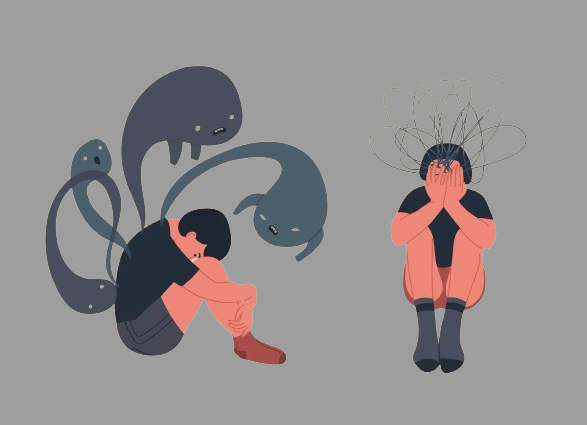
Avoidant Personality Disorder is a mental health condition characterized by extreme social inhibition, intense fear of rejection, and persistent feelings of inadequacy. While many people experience shyness or social discomfort at times, individuals with Avoidant Personality Disorder (AVPD) face a much deeper and more persistent pattern of avoidance that significantly affects their relationships, work life, and emotional well-being.
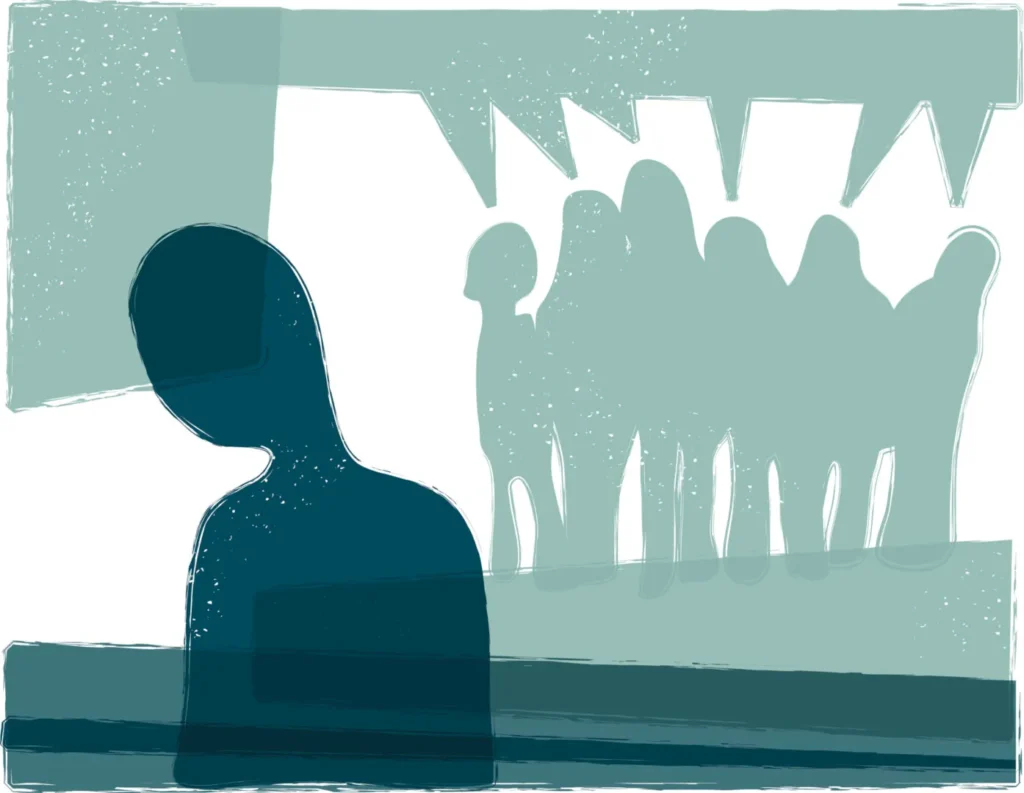
Often misunderstood as simply being “introverted” or “overly shy,” AVPD is actually a clinically recognized personality disorder that can lead to isolation and distress. According to the American Psychiatric Association, it is classified under Cluster C personality disorders and defined in the Diagnostic and Statistical Manual of Mental Disorders.
People with AVPD deeply desire connection and acceptance but are held back by overwhelming fears of criticism, embarrassment, or rejection. This internal conflict often leads to avoidance of social situations, limiting opportunities for personal growth and meaningful relationships.
What Is Avoidant Personality Disorder?
Avoidant Personality Disorder is a long-term pattern of behavior involving social avoidance, sensitivity to criticism, and feelings of inferiority.
Key Characteristics
- extreme fear of rejection
- low self-esteem
- avoidance of social interaction
- reluctance to take risks or try new things
Difference From Shyness
While shyness is temporary and situational, AVPD is:
- persistent over time
- deeply rooted in personality
- significantly impairing daily life
Symptoms of Avoidant Personality Disorder
Symptoms can affect emotional, behavioral, and cognitive functioning.
Emotional Symptoms
- intense fear of rejection
- feelings of inadequacy
- hypersensitivity to criticism
- chronic self-doubt
Behavioral Symptoms
- avoiding social or work-related activities
- reluctance to engage with others
- limited social circle
- avoiding new experiences
Cognitive Symptoms
- negative self-image
- overanalyzing social interactions
- expecting rejection or failure
- excessive worry about embarrassment
Causes of Avoidant Personality Disorder
The exact cause of AVPD is not fully understood, but several factors may contribute.
Genetic Predisposition
A family history of anxiety or personality disorders may increase risk.
Childhood Experiences
Early experiences such as:
- rejection
- criticism
- neglect
- emotional abuse
can shape self-perception and social behavior.
Environmental Influences
Social environment and upbringing play a significant role in personality development.
Brain and Personality Development
Certain personality traits, such as sensitivity and introversion, may increase vulnerability.
Avoidant Personality Disorder vs Social Anxiety
Avoidant Personality Disorder is often confused with
Social Anxiety Disorder.
Key Differences
| Feature | AVPD | Social Anxiety Disorder |
|---|---|---|
| Nature | Personality pattern | Anxiety disorder |
| Duration | Long-term | Situational |
| Impact | Affects identity | Affects specific situations |
| Severity | More pervasive | More focused |
Although both involve fear of social situations, AVPD is more deeply ingrained in personality.
How Avoidant Personality Disorder Affects Relationships
AVPD can make forming and maintaining relationships challenging.
Fear of Intimacy
Individuals may avoid close relationships due to fear of rejection.
Limited Social Connections
They often have few friends and struggle to expand their social circle.
Emotional Distance
Even in relationships, they may hold back emotionally to protect themselves.
Impact on Romantic Life
Avoidance and insecurity can make romantic relationships difficult to initiate or maintain.
Diagnosis of Avoidant Personality Disorder
Diagnosis requires evaluation by a mental health professional.
Assessment Methods
- clinical interviews
- psychological assessments
- review of personal history
DSM-5 Criteria
Diagnosis is based on criteria outlined in the Diagnostic and Statistical Manual of Mental Disorders.
Treatment for Avoidant Personality Disorder
Treatment focuses on reducing anxiety and improving social functioning.
Cognitive Behavioral Therapy (CBT)
CBT helps individuals:
- challenge negative thoughts
- develop healthier beliefs
- gradually face social fears
Psychodynamic Therapy
This approach explores underlying emotional conflicts and past experiences.
Group Therapy
Group settings provide safe opportunities to practice social interaction.
Medication
Medications may be used to treat co-occurring conditions such as anxiety or depression.
How to Overcome Avoidant Personality Disorder
Although challenging, individuals can make progress with consistent effort.
Practical Strategies
- start with small social interactions
- set realistic goals
- challenge negative thinking
- practice communication skills
Build Self-Esteem
- focus on strengths
- celebrate small achievements
- avoid harsh self-criticism
Mindfulness and Relaxation
Techniques such as meditation can help reduce anxiety and improve emotional regulation.
Can People With AVPD Live a Normal Life?
Yes, individuals with AVPD can lead fulfilling lives with proper support.
Key Factors for Improvement
- early intervention
- consistent therapy
- supportive relationships
- self-awareness and growth
Many people experience significant improvement over time.
FAQ,s
What causes avoidant personality disorder?
It is likely caused by a combination of genetic, environmental, and psychological factors.
Is AVPD the same as social anxiety?
No. While similar, AVPD is a personality disorder, whereas social anxiety is an anxiety disorder.
Can avoidant personality disorder be cured?
There is no instant cure, but symptoms can be managed effectively with treatment.
How is AVPD treated?
Treatment typically involves therapy, especially CBT, and sometimes medication.
How does AVPD affect relationships?
It can lead to avoidance of intimacy, limited social connections, and difficulty maintaining relationships.
Conclusion
Avoidant Personality Disorder is a complex condition that deeply affects how individuals perceive themselves and interact with others. Characterized by fear of rejection, low self-esteem, and social avoidance, AVPD can limit personal and emotional growth if left untreated.
However, with proper diagnosis, therapy, and consistent effort, individuals can learn to manage their symptoms and build more confident, meaningful lives. Raising awareness and promoting understanding of AVPD helps reduce stigma and encourages those affected to seek the help they need.
Recovery is a gradual process, but with support and determination, positive change is absolutely possible.