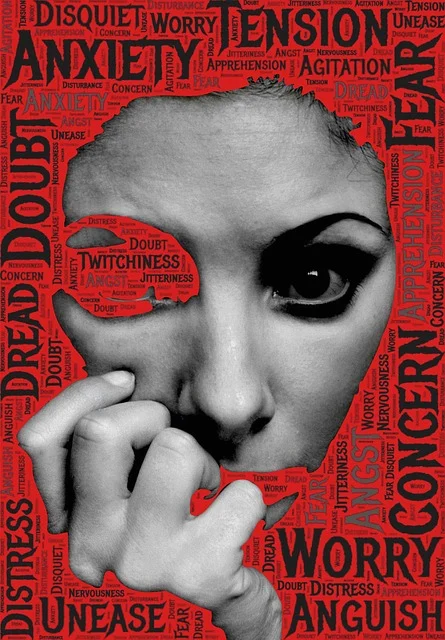
Mood Disorders (Depressive Disorders) are a group of mental health conditions that primarily affect a person’s emotional state, causing persistent feelings of sadness, emptiness, or loss of interest in daily activities. While everyone experiences occasional mood changes, depressive disorders involve long-lasting emotional disturbances that significantly affect daily functioning, relationships, and overall quality of life.

Mood disorders are among the most common mental health conditions worldwide and can affect people of all ages. Individuals experiencing depressive disorders may struggle with emotional, physical, and cognitive symptoms that make everyday tasks feel overwhelming. These conditions often involve a combination of biological, psychological, and environmental factors that influence how people regulate their emotions and respond to life’s challenges.
Mental health professionals classify depressive disorders within the broader category of mood disorders, which are recognized by the American Psychiatric Association and defined in the Diagnostic and Statistical Manual of Mental Disorders. Proper diagnosis and treatment are essential because untreated mood disorders can significantly affect mental and physical health over time.
What Are Mood Disorders (Depressive Disorders)?
Mood disorders are psychological conditions that primarily affect emotional regulation. These disorders involve prolonged disturbances in mood that go beyond normal emotional responses to life events.
People with mood disorders may experience:
- persistent sadness
- emotional emptiness
- loss of motivation
- difficulty experiencing pleasure
Unlike temporary sadness caused by stressful situations, depressive disorders typically last for weeks, months, or even years and can interfere with normal daily functioning.
Some of the most recognized depressive disorders include:
- Major Depressive Disorder
- Persistent Depressive Disorder
- Premenstrual Dysphoric Disorder
- Seasonal Affective Disorder
Each condition affects mood regulation in different ways but shares common emotional symptoms.
What Are the 10 Mood Disorders?
Mental health experts recognize several types of mood disorders that affect emotional functioning. Below are ten commonly discussed conditions.
1. Major Depressive Disorder
This is the most widely known depressive disorder. It involves persistent sadness, loss of interest in activities, fatigue, and difficulty concentrating.
2. Persistent Depressive Disorder
A chronic form of depression lasting for at least two years. Symptoms are usually milder than major depression but can be long-lasting.
3. Seasonal Affective Disorder
This type of depression occurs during certain seasons, most commonly during winter months when daylight exposure is reduced.
4. Premenstrual Dysphoric Disorder
A severe form of premenstrual syndrome involving intense mood swings, irritability, and depressive symptoms before menstruation.
5. Bipolar Disorder
This disorder involves alternating periods of depression and elevated mood known as mania or hypomania.
6. Cyclothymic Disorder
A milder form of bipolar disorder involving fluctuating mood episodes that do not meet the full criteria for mania or major depression.
7. Substance-Induced Mood Disorder
Depressive symptoms triggered by substance use, medications, or withdrawal from certain drugs.
8. Mood Disorder Due to a Medical Condition
Some medical conditions, such as thyroid disorders or neurological illnesses, can contribute to depressive symptoms.
9. Atypical Depression
A form of depression that includes mood reactivity, increased appetite, and excessive sleep.
10. Postpartum Depression
Depression that occurs after childbirth and affects emotional well-being during the postpartum period.
What Are the Five Most Common Mood Disorders?
Although many mood disorders exist, some are diagnosed more frequently than others.
Major Depressive Disorder
The most common depressive disorder worldwide, affecting millions of people each year.
Persistent Depressive Disorder
A long-lasting form of depression characterized by chronic low mood.
Seasonal Affective Disorder
Often triggered by seasonal changes in sunlight exposure.
Premenstrual Dysphoric Disorder
A hormone-related mood disorder affecting some individuals before menstruation.
Bipolar Disorder
Although it includes manic episodes, bipolar disorder also involves significant depressive symptoms.
What Are Signs of Mood Disorders?
Mood disorders produce a wide range of emotional, physical, and cognitive symptoms.
Emotional Symptoms
Common emotional signs include:
- persistent sadness
- feelings of hopelessness
- irritability or mood swings
- loss of interest in hobbies or activities
Cognitive Symptoms
Mood disorders can affect thinking patterns and mental clarity.
These symptoms may include:
- difficulty concentrating
- indecisiveness
- negative thinking patterns
- excessive guilt or self-criticism
Physical Symptoms
Depressive disorders can also affect physical health.
Common physical symptoms include:
- fatigue or low energy
- sleep disturbances
- changes in appetite
- headaches or body aches
Causes of Mood Disorders (Depressive Disorders)
Mood disorders usually develop due to a combination of biological, psychological, and environmental factors.
Genetic Factors
Research suggests that mood disorders may run in families. Individuals with relatives who have depression or bipolar disorder may have a higher risk.
Brain Chemistry Imbalance
Neurotransmitters such as serotonin, dopamine, and norepinephrine play important roles in mood regulation.
Imbalances in these brain chemicals can contribute to depressive symptoms.
Stressful Life Events
Major life stressors can trigger depressive episodes, including:
- relationship difficulties
- financial problems
- loss of loved ones
- work-related stress
Trauma and Childhood Experiences
Early life trauma, neglect, or emotional abuse may increase vulnerability to mood disorders later in life.
Hormonal Changes
Hormonal fluctuations can also affect mood. Conditions such as pregnancy, menopause, or thyroid disorders may influence emotional health.
Diagnosis of Mood Disorders
Diagnosing mood disorders involves a comprehensive psychological evaluation.
Mental health professionals may use several approaches, including:
- clinical interviews
- symptom questionnaires
- psychological assessments
- review of medical and mental health history
Diagnosis often follows guidelines established in the Diagnostic and Statistical Manual of Mental Disorders.
Treatment for Mood Disorders
Mood disorders are highly treatable with the right combination of therapies and support.
Psychotherapy
Psychotherapy helps individuals explore emotional patterns and develop healthier coping strategies.
Cognitive Behavioral Therapy
Cognitive Behavioral Therapy (CBT) focuses on identifying negative thought patterns and replacing them with more balanced thinking.
Medication
Doctors may prescribe medications such as antidepressants or mood stabilizers to help regulate mood symptoms.
Lifestyle and Behavioral Therapy
Lifestyle adjustments can also support emotional health.
Examples include:
- regular physical activity
- balanced nutrition
- improved sleep habits
- stress management techniques
How to Improve Your Mood?
Improving emotional well-being often involves adopting healthy lifestyle habits and supportive mental health practices.
Exercise Regularly
Physical activity can boost mood by increasing the release of endorphins and other positive brain chemicals.
Maintain Healthy Sleep
Consistent sleep schedules help regulate emotional and cognitive functioning.
Practice Mindfulness
Meditation and mindfulness practices can help individuals become more aware of their emotions and reduce stress.
Build Supportive Relationships
Strong social support networks can improve emotional resilience and reduce feelings of isolation.
Seek Professional Help
Therapy and counseling provide valuable tools for managing depressive symptoms and improving mental health.
Frequently Asked Questions
Are mood disorders genetic?
Genetic factors can increase vulnerability to mood disorders, but environmental and psychological influences also play important roles.
Can mood disorders be cured?
Many mood disorders can be effectively treated and managed with therapy, medication, and lifestyle changes.
What triggers depressive disorders?
Common triggers include stressful life events, trauma, biological changes, and chronic stress.
How long do mood disorders last?
The duration varies widely depending on the type of disorder and the effectiveness of treatment.
What is the difference between depression and mood disorders?
Depression refers to specific conditions like major depressive disorder, while mood disorders include a broader group of emotional regulation disorders.
Conclusion
Mood Disorders (Depressive Disorders) are complex mental health conditions that affect emotional regulation, thinking patterns, and daily functioning. While everyone experiences occasional sadness or emotional fluctuations, depressive disorders involve persistent mood disturbances that require attention and care.
Recognizing the signs of mood disorders is an important step toward seeking appropriate support. Understanding the causes, symptoms, and treatment options allows individuals and families to make informed decisions about mental health care.
With proper diagnosis, effective therapy, supportive relationships, and healthy lifestyle habits, many people with mood disorders can manage their symptoms and lead fulfilling lives. Raising awareness and reducing stigma around mental health remains essential for encouraging individuals to seek help and prioritize emotional well-being.