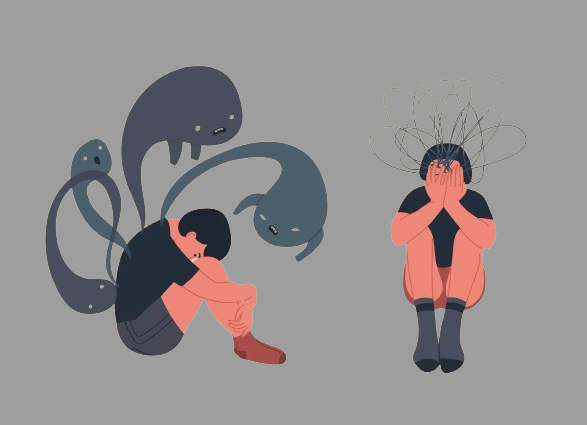
Long term loneliness effects adults in ways that extend far beyond occasional feelings of isolation. While many people assume loneliness is simply about being alone, the reality is much deeper. Loneliness is a complex emotional experience that can impact mental health, physical well-being, and overall life satisfaction. In today’s fast-paced and digitally connected world, many adults still struggle with persistent feelings of disconnection, even when surrounded by others.

For some individuals, loneliness may appear temporarily during life transitions such as moving to a new city, losing a relationship, or changing careers. However, when loneliness becomes chronic and lasts for months or years, it can have serious emotional and physiological consequences. Research increasingly shows that long-term loneliness can influence stress levels, sleep quality, immune function, and even life expectancy.
Adults facing prolonged loneliness often experience emotional pain, low self-esteem, and a sense of disconnection from society. Over time, these feelings may intensify and lead to mental health challenges such as anxiety or depression. Understanding the causes and consequences of chronic loneliness is essential for addressing it effectively.
Understanding Loneliness in Adults
Loneliness is not simply the state of being alone. Instead, it is the emotional distress that occurs when a person feels disconnected from others or lacks meaningful relationships.
A person may spend time alone and still feel content, while another person may feel deeply lonely even in social settings. This difference highlights the emotional nature of loneliness.
Being Alone vs. Feeling Lonely
Being alone:
- A physical state of solitude
- Can be peaceful and restorative
- Often chosen voluntarily
Feeling lonely:
- An emotional experience of disconnection
- Often associated with sadness and emptiness
- May occur even in social environments
Loneliness becomes long-term when these feelings persist over extended periods. Adults may gradually withdraw from social interactions or struggle to maintain relationships, which can deepen their sense of isolation.
Modern lifestyles have also contributed to increased loneliness. Remote work, digital communication, and busy schedules sometimes reduce opportunities for meaningful face-to-face interactions.
Long Term Loneliness Effects Adults Emotionally
One of the most immediate impacts of loneliness is emotional distress. Adults who experience prolonged isolation often report intense feelings of sadness and emptiness.
Persistent Sadness
Long-term loneliness can create ongoing feelings of sadness that may resemble symptoms of depression. When emotional support is lacking, individuals may feel that their experiences and struggles go unnoticed.
Feelings of Emptiness
People facing chronic loneliness often describe a sense of emptiness or emotional numbness. They may feel disconnected not only from others but also from their own sense of purpose or fulfillment.
Low Self-Esteem
Loneliness may lead individuals to question their self-worth. They might believe that others avoid them because they are not interesting, valuable, or likable.
Over time, these beliefs can reinforce negative self-perceptions and increase social withdrawal.
Increased Sensitivity to Rejection
Adults experiencing loneliness may become more sensitive to rejection or criticism. Even minor social disappointments can feel deeply painful, reinforcing the belief that meaningful connection is difficult to achieve.
Mental Health Impact of Long-Term Loneliness
The long term loneliness effects adults experience often extend into mental health challenges.
Depression
Chronic loneliness is strongly associated with depression. When individuals lack meaningful social interaction, they may feel hopeless or emotionally drained.
The absence of supportive relationships can also reduce opportunities to share worries and receive encouragement.
Anxiety Disorders
Loneliness can increase anxiety, particularly in social situations. Adults who feel disconnected may worry about being judged or rejected, making it harder to form new relationships.
Chronic Stress
Loneliness activates the body’s stress response. The brain may interpret social isolation as a potential threat, leading to elevated stress hormones.
Over time, chronic stress can affect emotional regulation and decision-making.
Cognitive Decline
Research suggests that prolonged loneliness may also influence cognitive health. Some studies indicate that socially isolated adults have a higher risk of memory problems and reduced cognitive functioning later in life.
Physical Health Effects of Long-Term Loneliness
Loneliness is not only an emotional experience—it can also influence physical health.
Increased Risk of Heart Disease
Chronic loneliness may raise blood pressure and increase stress hormones, which can contribute to cardiovascular problems.
Weakened Immune System
Persistent loneliness can weaken the immune system, making the body more vulnerable to infections and illnesses.
Sleep Problems
Many lonely adults experience poor sleep quality. They may struggle with insomnia or restless sleep due to heightened stress and rumination.
Higher Inflammation Levels
Loneliness has been linked to increased inflammation in the body, which can contribute to chronic diseases over time.
Shortened Life Expectancy
Some research suggests that severe social isolation may increase the risk of early mortality, highlighting the importance of strong social connections for long-term health.
Why Long-Term Loneliness Happens in Adults
Several factors may contribute to persistent loneliness during adulthood.
Social Isolation
Limited opportunities for social interaction can lead to feelings of disconnection. This may occur when individuals live alone or lack supportive relationships.
Divorce or Relationship Loss
The end of a significant relationship can create emotional gaps that are difficult to fill. Adults who lose partners or close friends may struggle to rebuild their social networks.
Aging and Retirement
Retirement often reduces daily social contact that previously occurred through work. Older adults may also face the loss of friends or family members.
Moving to New Environments
Relocating to a new city or country can disrupt established relationships and support systems.
Digital Isolation and Social Media
While technology allows communication across distances, excessive reliance on digital interaction can sometimes reduce meaningful personal connections.
Mental Health Struggles
Anxiety, depression, or past trauma may lead individuals to withdraw socially, which can worsen loneliness.
Signs of Long-Term Loneliness in Adults
Recognizing the signs of loneliness can help individuals seek support and reconnect with others.
Common signs include:
- Avoiding social gatherings
- Feeling disconnected from others
- Persistent sadness or emptiness
- Low motivation or energy
- Overthinking social interactions
- Spending excessive time alone
These patterns may develop gradually, making loneliness difficult to notice until it becomes deeply ingrained.
How Long-Term Loneliness Changes the Brain
Loneliness can influence brain functioning and emotional regulation.
Increased Stress Hormones
Chronic loneliness often increases cortisol levels, the body’s primary stress hormone. Elevated cortisol can affect mood, sleep, and immune function.
Changes in Emotional Processing
The brain may become more sensitive to negative social signals, making lonely individuals more likely to interpret interactions as rejection.
Impact on Motivation
When loneliness persists, individuals may feel less motivated to engage socially, which further reinforces isolation.
How to Overcome Long-Term Loneliness
Addressing loneliness requires intentional efforts to reconnect with others and rebuild meaningful relationships.
Rebuilding Social Connections
Reaching out to friends, family members, or former colleagues can help restore connections that may have faded over time.
Even small interactions can gradually reduce feelings of isolation.
Developing Meaningful Relationships
Quality relationships are often more important than the number of connections. Focusing on genuine conversations and shared experiences can deepen bonds.
Joining Community Groups
Community activities, clubs, or classes can provide opportunities to meet people with similar interests.
Examples include:
- Book clubs
- Volunteer organizations
- Fitness classes
- Local hobby groups
Practicing Self-Compassion
Loneliness may cause individuals to blame themselves. Practicing self-compassion helps reduce negative self-talk and encourages healthier emotional perspectives.
Volunteering and Social Engagement
Helping others can create meaningful social interactions while also fostering a sense of purpose.
Reducing Digital Isolation
Limiting excessive social media use and prioritizing face-to-face interaction can strengthen real-life connections.
Professional Support for Chronic Loneliness
Sometimes loneliness persists despite efforts to reconnect. In these situations, professional support may be helpful.
Counseling and Psychotherapy
Therapists can help individuals explore emotional barriers that may prevent them from forming relationships.
Cognitive Behavioral Therapy
This approach focuses on identifying negative thought patterns that contribute to social withdrawal.
Support Groups
Support groups allow individuals experiencing loneliness to connect with others who share similar feelings and experiences.
These environments can provide understanding, encouragement, and emotional validation.
Healthy Habits That Reduce Loneliness
Certain lifestyle habits can support emotional well-being and encourage social engagement.
Helpful habits include:
- Regular physical activity
- Spending time outdoors
- Pursuing creative hobbies
- Practicing mindfulness
- Maintaining structured daily routines
These activities can improve mood, boost confidence, and increase opportunities for social interaction.
Frequently Asked Questions
What happens when adults feel lonely for years?
Long-term loneliness can affect emotional health, increase stress levels, and contribute to mental health challenges such as depression or anxiety.
Can long-term loneliness affect physical health?
Yes. Chronic loneliness may influence cardiovascular health, sleep quality, immune function, and inflammation levels.
Is loneliness as harmful as smoking?
Some studies suggest that severe social isolation may have health risks comparable to other lifestyle factors, highlighting the importance of social connection.
How do adults overcome chronic loneliness?
Building meaningful relationships, joining community activities, seeking therapy, and maintaining healthy routines can help reduce loneliness.
Why do some adults feel lonely even with friends?
Loneliness is often related to emotional connection rather than the number of social contacts. People may feel lonely if they lack deep or supportive relationships.
Conclusion
The long term loneliness effects adults experience can influence emotional health, mental well-being, and physical functioning. While occasional loneliness is a normal human experience, prolonged isolation can create significant challenges over time.
Understanding the causes and recognizing the warning signs of loneliness are important steps toward addressing it. Rebuilding connections, engaging in community activities, and developing supportive relationships can greatly improve overall well-being.
Although loneliness can feel overwhelming, it is not permanent. With patience, effort, and support, adults can rediscover meaningful connection and build fulfilling social lives.