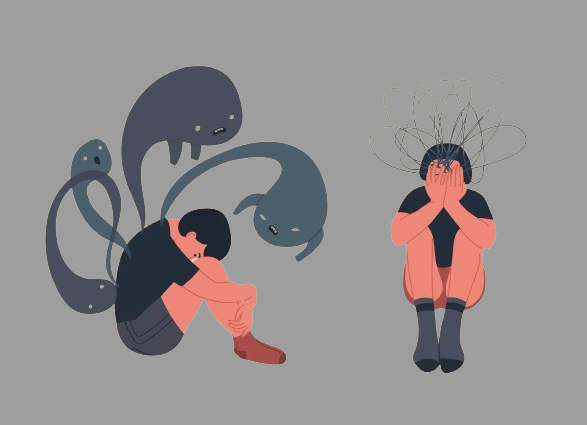
What causes constant anxiety is a question many people ask when they feel persistent worry, tension, or unease that never seems to go away. While occasional anxiety is a normal part of life, constant anxiety can interfere with daily activities, relationships, and overall well-being. Many individuals experience ongoing nervousness, racing thoughts, or physical symptoms without fully understanding why these feelings persist.

Constant anxiety can arise from a combination of psychological, biological, environmental, and lifestyle factors. Stressful life experiences, genetics, brain chemistry, and unhealthy habits can all contribute to chronic anxiety. When these factors combine, the brain may remain in a heightened state of alertness, making it difficult to relax or feel safe.
Understanding the root causes of persistent anxiety is an important step toward managing and reducing it. Once individuals recognize the triggers behind their anxious feelings, they can take steps to improve their mental health through lifestyle changes, coping strategies, and professional support.
Understanding Constant Anxiety
Constant anxiety refers to ongoing feelings of worry, fear, or tension that persist for weeks, months, or even years. Unlike normal anxiety—which appears during stressful situations and fades afterward—chronic anxiety remains present even when there is no clear threat.
People with constant anxiety often describe feeling “on edge” all the time. Their mind may continuously search for potential problems, even when everything seems fine. This constant mental alertness can become exhausting.
Difference Between Normal Anxiety and Chronic Anxiety
Normal anxiety:
- Appears during stressful situations
- Helps people stay alert or prepared
- Goes away after the stress passes
Constant anxiety:
- Persists even without immediate danger
- Interferes with daily life
- Causes ongoing physical and emotional symptoms
When anxiety becomes constant, the body’s fight-or-flight response may remain activated. The nervous system stays in a heightened state, which leads to continuous stress signals being sent throughout the body.
Over time, this prolonged state of tension can affect mood, sleep, concentration, and physical health.
What Causes Constant Anxiety?
Understanding what causes constant anxiety requires looking at several possible factors. Anxiety rarely has a single cause; instead, it usually develops due to a combination of emotional experiences, biological influences, and lifestyle patterns.
Below are the most common reasons people experience persistent anxiety.
Chronic Stress
Long-term stress is one of the leading causes of constant anxiety. When someone experiences ongoing pressure—such as financial problems, work demands, or relationship conflicts—the body may remain in survival mode.
Common stress sources include:
- Workplace pressure or job insecurity
- Financial difficulties
- Family responsibilities
- Academic demands
- Relationship conflicts
Chronic stress forces the brain to stay alert, which can eventually lead to constant feelings of anxiety.
Past Trauma or Emotional Experiences
Unresolved emotional trauma can significantly contribute to long-term anxiety. Experiences such as abuse, accidents, loss, or childhood neglect may leave lasting psychological effects.
Even if the traumatic event occurred years ago, the brain may still respond as if danger is present. This can create:
- Hypervigilance
- Fear of future threats
- Emotional sensitivity to stress
Trauma-related anxiety often causes individuals to feel unsafe or uneasy even in ordinary situations.
Brain Chemistry and Neurotransmitter Imbalances
Another factor behind what causes constant anxiety is brain chemistry. Certain chemicals in the brain—called neurotransmitters—help regulate mood and stress responses.
Important neurotransmitters involved in anxiety include:
- Serotonin – regulates mood and emotional stability
- Dopamine – affects motivation and pleasure
- GABA – helps calm the nervous system
When these chemicals become imbalanced, the brain may struggle to control worry and fear responses. This imbalance can contribute to persistent anxiety symptoms.
Genetic and Family Factors
Research suggests that anxiety disorders can run in families. If close relatives struggle with anxiety, individuals may have a higher likelihood of developing similar patterns.
Genetics may influence:
- Sensitivity to stress
- Emotional regulation
- Brain chemistry
However, genetics alone do not determine whether someone will experience constant anxiety. Environmental experiences also play a major role.
Negative Thinking Patterns
Certain thinking habits can make anxiety more persistent. People who frequently imagine worst-case scenarios or overanalyze situations may unintentionally reinforce anxious thoughts.
Common cognitive patterns linked to anxiety include:
- Catastrophizing (expecting the worst outcome)
- Overthinking minor problems
- Constant self-criticism
- Fear of uncertainty
Over time, these thinking styles can train the brain to remain in a continuous cycle of worry.
Lifestyle Factors
Daily habits strongly influence mental health. Several lifestyle factors can increase anxiety levels and make it more difficult for the body to relax.
Examples include:
- Poor sleep habits
- High caffeine consumption
- Lack of physical activity
- Excessive screen time
- Substance use or alcohol dependence
When the body is physically stressed or exhausted, the brain becomes more vulnerable to anxiety.
Medical Conditions Linked to Anxiety
Certain physical health conditions may also contribute to constant anxiety. Hormonal imbalances, neurological issues, and chronic illnesses can influence emotional regulation.
Possible medical contributors include:
- Thyroid disorders
- Hormonal fluctuations
- Heart conditions
- Chronic pain
- Nutritional deficiencies
When anxiety appears suddenly or becomes severe, medical evaluation may help identify underlying health issues.
Common Symptoms of Constant Anxiety
People experiencing constant anxiety may notice both emotional and physical symptoms.
Emotional Symptoms
- Persistent worry or fear
- Irritability
- Difficulty concentrating
- Feeling overwhelmed
- Restlessness or nervousness
Physical Symptoms
- Rapid heartbeat
- Muscle tension
- Headaches
- Digestive problems
- Fatigue
- Sleep disturbances
These symptoms can vary in intensity but often occur regularly when anxiety becomes chronic.
How Constant Anxiety Affects Mental and Physical Health
Long-term anxiety does not only affect emotions—it can also impact physical health and overall quality of life.
Emotional Effects
Persistent anxiety may lead to:
- Emotional exhaustion
- Burnout
- Depression
- Reduced motivation
Constant mental tension can drain energy and make everyday tasks feel overwhelming.
Physical Health Effects
Chronic anxiety can affect the body in several ways:
- Weakened immune system
- Increased inflammation
- Higher risk of heart disease
- Digestive disorders
- Chronic fatigue
The body was not designed to remain in a constant state of stress. Over time, prolonged anxiety can place significant strain on multiple systems.
How to Reduce Constant Anxiety
Reducing anxiety requires a combination of lifestyle changes, emotional awareness, and healthy coping strategies.
Lifestyle Changes
Improving daily habits can significantly reduce anxiety levels.
Helpful changes include:
- Getting consistent sleep
- Maintaining balanced nutrition
- Limiting caffeine intake
- Spending time outdoors
- Reducing screen exposure before bedtime
Healthy routines help stabilize the nervous system and support emotional balance.
Stress Management Techniques
Learning how to manage stress effectively can prevent anxiety from becoming overwhelming.
Examples include:
- Time management strategies
- Setting healthy boundaries
- Practicing relaxation exercises
- Taking regular breaks from work
Managing stress proactively helps prevent anxiety from building up.
Breathing Exercises
Deep breathing can calm the nervous system within minutes.
A simple technique:
- Inhale slowly through the nose for four seconds
- Hold the breath briefly
- Exhale slowly through the mouth for six seconds
- Repeat for several minutes
Slow breathing signals the brain that the body is safe and relaxed.
Mindfulness and Meditation
Mindfulness practices help individuals stay present instead of worrying about future events.
Benefits of mindfulness include:
- Reduced overthinking
- Improved emotional regulation
- Lower stress levels
Regular meditation can gradually retrain the brain to respond more calmly to stress.
Exercise and Movement
Physical activity releases endorphins—chemicals that naturally improve mood and reduce anxiety.
Helpful forms of exercise include:
- Walking
- Yoga
- Swimming
- Strength training
Even short periods of movement can relieve built-up tension in the body.
Healthy Sleep Habits
Sleep plays a critical role in emotional regulation. Lack of sleep can intensify anxious thoughts and reduce the brain’s ability to cope with stress.
To improve sleep:
- Maintain a consistent sleep schedule
- Avoid caffeine in the evening
- Reduce screen time before bed
- Create a calm bedtime routine
Quality sleep helps restore the body and mind.
How to Calm Anxiety Quickly
When anxiety suddenly spikes, several techniques can provide quick relief.
Grounding Techniques
Grounding exercises help bring attention back to the present moment.
One common method is the 5-4-3-2-1 technique:
- Identify 5 things you can see
- 4 things you can touch
- 3 things you can hear
- 2 things you can smell
- 1 thing you can taste
This exercise shifts focus away from anxious thoughts.
Cognitive Reframing
Challenging anxious thoughts can reduce their power.
Ask questions such as:
- Is this worry based on facts?
- What evidence supports this fear?
- What is the most realistic outcome?
This method helps break cycles of catastrophic thinking.
Physical Relaxation
Relaxing the body can also calm the mind.
Techniques include:
- Progressive muscle relaxation
- Stretching
- Slow breathing
- Listening to calming music
These methods reduce physical tension associated with anxiety.
What Is the Best Treatment for Anxiety?
Professional treatment can provide powerful tools for managing persistent anxiety.
Cognitive Behavioral Therapy (CBT)
CBT is one of the most widely recommended treatments for anxiety. It focuses on identifying and changing negative thought patterns that contribute to worry.
Benefits of CBT include:
- Improved coping skills
- Reduced catastrophic thinking
- Better emotional regulation
Medication for Anxiety
In some cases, healthcare providers may recommend medication to help regulate brain chemistry.
Common medication categories include:
- Antidepressants
- Anti-anxiety medications
- Beta blockers
Medication is typically combined with therapy for the best results.
Holistic Therapies
Complementary approaches may also support anxiety management.
Examples include:
- Yoga
- Meditation
- Acupuncture
- Nutritional counseling
These approaches focus on improving both mental and physical well-being.
Support Groups and Counseling
Talking with others who share similar experiences can reduce feelings of isolation. Support groups provide a safe space for individuals to discuss their struggles and learn coping strategies.
Professional counseling can also help people explore emotional triggers and develop healthier responses to stress.
How to Cure Anxiety Permanently
Many people wonder whether it is possible to eliminate anxiety entirely. While occasional anxiety is a normal human emotion, persistent anxiety can often be significantly reduced with proper treatment and lifestyle changes.
Long-term anxiety recovery typically involves:
- Understanding personal triggers
- Practicing emotional regulation skills
- Building healthy habits
- Seeking professional guidance when necessary
Rather than completely eliminating anxiety, the goal is to develop resilience and regain control over anxious thoughts and feelings.
With time and consistent effort, many people experience dramatic improvements in their mental health.
When to Seek Professional Help
While mild anxiety can often be managed with lifestyle changes, professional help may be necessary when symptoms become severe.
Signs that support may be needed include:
- Frequent panic attacks
- Anxiety interfering with work or relationships
- Persistent sleep problems
- Avoiding everyday activities
- Symptoms of depression
Mental health professionals can provide personalized treatment plans and effective coping strategies.
Frequently Asked Questions
Why do I feel anxious all the time for no reason?
Constant anxiety may stem from underlying stress, unresolved trauma, brain chemistry imbalances, or habitual negative thinking patterns.
Can constant anxiety go away?
Yes. With the right coping strategies, therapy, and lifestyle adjustments, many people successfully reduce or manage persistent anxiety.
Is chronic anxiety a mental illness?
Chronic anxiety can be part of anxiety disorders such as generalized anxiety disorder, which may require professional treatment.
What triggers anxiety the most?
Common triggers include stress, uncertainty, trauma reminders, financial pressure, and relationship conflicts.
Can lifestyle changes reduce anxiety?
Yes. Exercise, sleep improvement, mindfulness, and balanced nutrition can significantly reduce anxiety symptoms.
Conclusion
Understanding what causes constant anxiety is the first step toward improving mental well-being. Persistent anxiety often develops from a combination of stress, emotional experiences, brain chemistry, and lifestyle factors. While the symptoms can feel overwhelming, many effective strategies exist to reduce anxiety and restore balance.
Lifestyle changes, stress management techniques, therapy, and supportive relationships can all play important roles in recovery. By identifying triggers and adopting healthy coping strategies, individuals can regain control over their thoughts and emotions.
Anxiety may be common, but it does not have to control a person’s life. With awareness, patience, and the right support, lasting relief and improved mental health are possible.