Quick Answer: How to Recover From Addiction
To successfully navigate how to recover from addiction, you must treat it as a gradual neurological healing process rather than a test of willpower. The most effective, evidence-based approach involves four critical steps:
- Medical Assessment & Detox: Safely managing physical withdrawal, often utilizing Medication-Assisted Treatment (MAT).
- Behavioral Therapy: Engaging in therapies like CBT or DBT to rewire thought patterns and address underlying trauma.
- Relapse Prevention: Identifying specific emotional triggers and replacing them with a structured, recovery-focused daily routine.
- Ongoing Support: Committing to long-term community or peer support networks (such as SMART Recovery or 12-Step programs).
If you are in immediate crisis, contact the SAMHSA National Helpline at 1-800-662-4357 or text the 988 Suicide & Crisis Lifeline.
Key Takeaways: How to Recover From Addiction
It is a neurological process: Addiction rewires the brain’s reward center. Recovery takes time—typically 6 months to 2 years for deep neurological healing.
It requires tailored treatment: Willpower is not enough. Evidence-based methods like Medication-Assisted Treatment (MAT) and behavioral therapies are the gold standard.
Relapse is not failure: With a 40% to 60% relapse rate (similar to asthma or hypertension), setbacks are treated as clinical data to adjust your care plan, not moral failures.
Immediate Help: If you are in crisis, call or text the 988 Suicide & Crisis Lifeline or contact the SAMHSA National Helpline at 1-800-662-4357.
If you are asking how to recover from addiction, the most direct answer is this: recovery is a structured, gradual process—not a single moment of willpower. It combines medical support, evidence-based therapy, a rebuilt daily routine, and ongoing relapse prevention, typically unfolding over months to years rather than days.
Addiction rarely announces itself as a single bad decision. It builds slowly, often through a substance or behavior that first offered relief from stress, pain, trauma, or a feeling of not being enough, and then quietly takes over. Whether the pattern involves alcohol, opioids, stimulants, or a behavioral addiction, the toll is similar: strained relationships, declining physical health, and a growing sense of losing control.
This guide breaks down why addiction takes hold, what recovery actually looks like stage by stage, which treatments have real scientific backing, and how to maintain your progress once it starts.
What Is Addiction, Really? The Clinical Perspective
Clinically, addiction is classified as a substance use disorder or a behavioral addiction. It is a pattern in which a person continues using a substance or engaging in a behavior despite clear, escalating harm, because the brain’s reward circuitry has fundamentally adapted.
The Diagnostic and Statistical Manual of Mental Disorders (DSM-5-TR) frames this along a severity spectrum—from mild to severe—based on criteria such as loss of control, cravings, tolerance, and continued use despite negative consequences. Treating addiction as a spectrum, rather than a single all-or-nothing state, helps clinicians determine whether someone needs outpatient support, structured therapy, or intensive medical detox.
The Role of Dopamine Downregulation
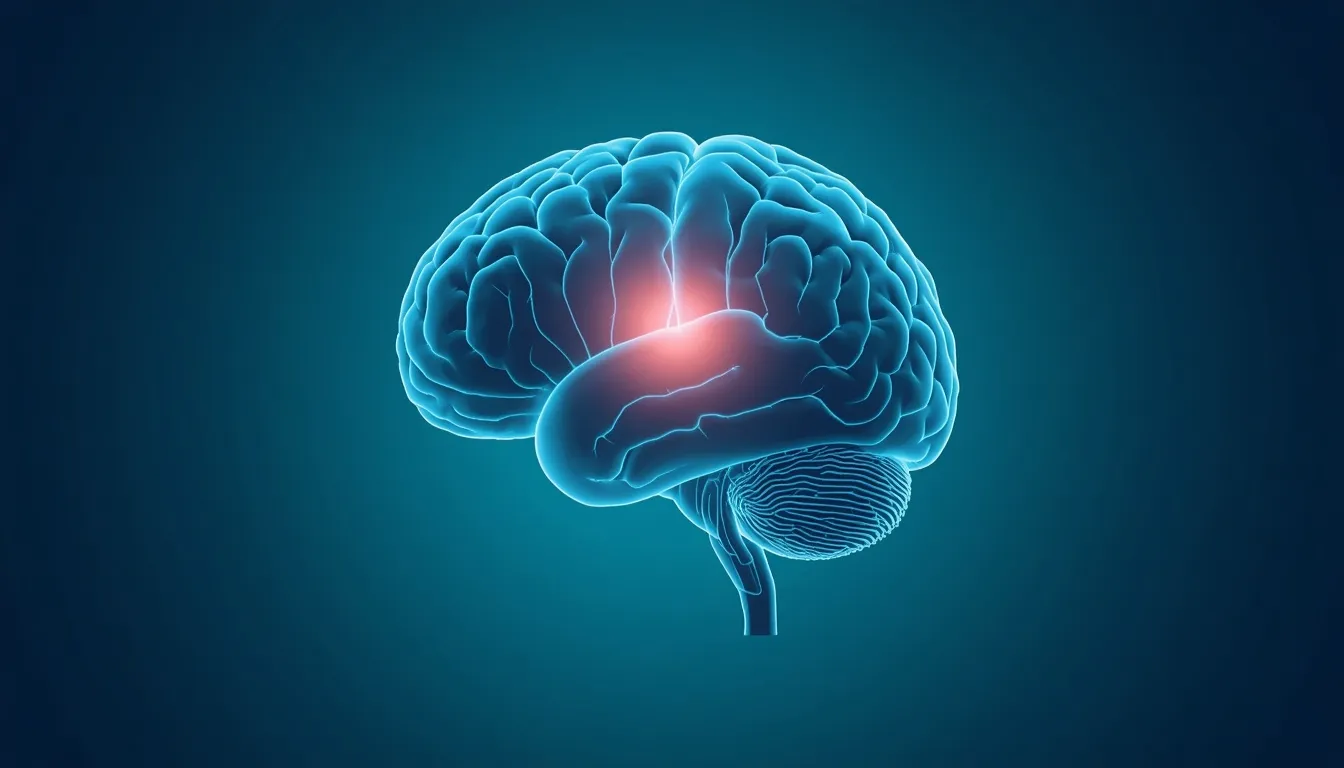
At the neurological level, addictive substances and behaviors flood the brain’s dopamine reward pathway far more intensely than everyday rewards. Repeated exposure teaches the brain to expect that flood. To compensate, the brain dulls its own baseline reward response—a process researchers call downregulation.
Over time, a person needs more of the substance or behavior just to feel normal, let alone feel good. Stopping suddenly can feel less like giving something up and more like losing access to the only coping mechanism that still works.
Why Root Causes Matter: Biological, Psychological, and Social Drivers
Figuring out how to recover from addiction requires understanding why it happens, as this directly shapes what kind of treatment will actually hold. Effective recovery requires addressing three distinct layers:
-
Biological Drivers: Genetics account for an estimated 40% to 60% of a person’s vulnerability to addiction. According to data from the National Institute on Drug Abuse (NIDA), biological factors combined with environmental influences dictate how quickly an addiction forms.
-
Psychological Pain: Chronic stress, depression, anxiety, and loneliness are among the most common co-travelers with addiction. For a significant share of people in treatment, unresolved trauma sits underneath the pattern. The substance functions as a way to self-manage feelings that never had another outlet.
-
Social Context: Isolation, unstable housing, high-stress work environments, and relationships that normalize heavy use all raise your risk independent of your biology.
This is why “just use willpower” advice fails so often—it addresses none of the core drivers fueling the behavior.
The 5 Stages of Addiction Recovery
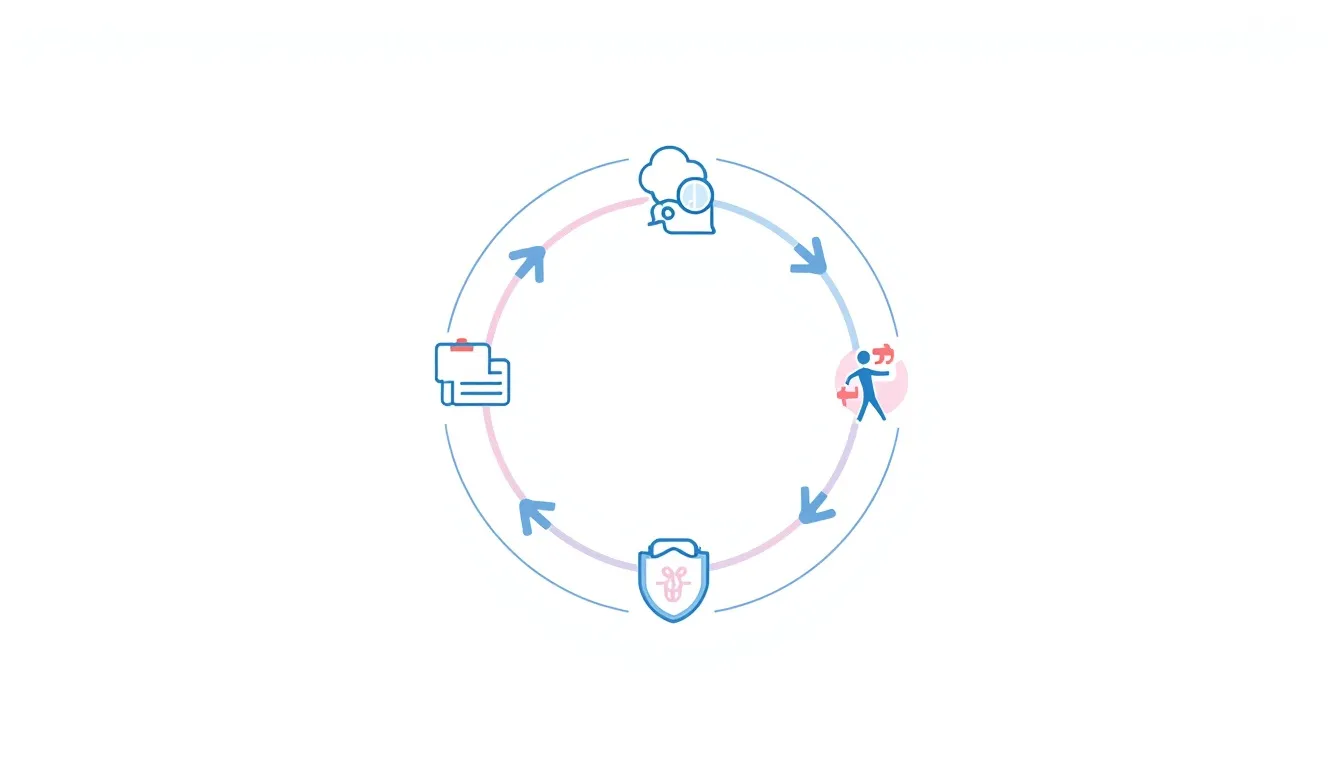
Recovery is rarely linear. It tends to follow a recognizable arc that clinicians describe using the Stages of Change model. Understanding where you are in this cycle can help you figure out how to recover from addiction at a pace that is sustainable.
-
Pre-Contemplation: You may not yet see your use as a problem, even if the people around you do.
-
Contemplation: Ambivalence sets in. You experience a growing awareness that something needs to change, paired with genuine uncertainty about whether you can actually do it.
-
Preparation: Intention becomes a plan. This involves setting a date, researching treatment options, or confiding in a trusted person.
-
Action: The stage most people picture when they think of “recovery.” You actively stop the use and replace it with new, healthier coping strategies.
-
Maintenance: The ongoing, often years-long work of protecting the progress you have made and preventing relapse.
Clinical Note: Movement between these stages is not always forward. Someone can cycle back from action to contemplation multiple times before the change sticks, and that is a normal part of the process, not a sign of failure.
Evidence-Based Treatment: What Actually Works
Treatment that works is treatment matched to the severity of the condition, not a one-size-fits-all program.
Medical Detox and MAT
For substances with dangerous withdrawal profiles—such as alcohol, benzodiazepines, and opioids—medical detox under strict supervision is often the necessary first step to mitigate physical risk.
Following detox, Medication-Assisted Treatment (MAT)—using options like buprenorphine, naltrexone, or methadone—has incredibly strong clinical evidence for reducing cravings and relapse risk, despite the lingering social stigma that keeps some from trying it.
Behavioral Therapies
Therapy does the psychological half of the work.
-
CBT: Applying cognitive behavioral therapy techniques helps individuals identify the specific thoughts and situations that precede use, building alternative, healthy responses.
-
DBT: Dialectical Behavior Therapy is a core tool for people whose addiction is tightly bound to intense emotional dysregulation.
-
Dual Diagnosis Care: For people with a co-occurring mental health condition (like depression or PTSD), integrated treatment that addresses both conditions simultaneously produces meaningfully better outcomes.
Community and Peer Support
Peer-based support remains highly valuable. Twelve-step programs (like AA and NA) offer structure and community, while SMART Recovery provides a secular, skills-based alternative. Additionally, family involvement approaches like CRAFT (Community Reinforcement and Family Training) give loved ones tools to support recovery without enabling continued use.
Building a Recovery-Ready Daily Life
Treatment creates the conditions for change; your daily structure is what makes it durable.
Identifying Triggers: Most relapses are preceded by an identifiable trigger rather than happening at random. These can be specific people, places, emotional states, or times of day. True recovery depends on having a real alternative ready before the trigger hits—a breathing technique, a call to a sponsor, or a planned physical activity.
The Power of Routine: Consistent sleep and wake times, regular meals, and physical activity stabilize the exact neurochemical systems that addiction disrupts. Boredom and unstructured time leave a massive gap that the old behavior used to fill. Rebuilding a sense of purpose is just as important as removing the addictive behavior.
Navigating Withdrawal, Cravings, and Social Obstacles
Early recovery brings predictable friction. Withdrawal symptoms vary but often include fatigue, irritability, anxiety, and disrupted sleep.
For some, these symptoms extend into Post-Acute Withdrawal Syndrome (PAWS)—a longer tail of mood swings, low motivation, and cognitive fog that can persist for months after acute withdrawal ends. This often catches people off guard because they expected to feel perfectly fine by then.
-
Managing Cravings: Cravings arrive in waves, not as constant pressure. Most peak and pass within 15 to 30 minutes if not acted upon. This is why urge surfing—mindfully riding out a craving rather than fighting it—is a teachable clinical skill, not just raw willpower.
-
Social Pressure: Relationships and environments that normalized the addictive behavior do not automatically become safe just because you have decided to change. Stepping back from those relationships is frequently one of the hardest parts of early recovery.
Understanding Relapse and Prevention
Relapse rates for substance use disorders sit between 40% and 60%. As noted by medical bodies like the American Society of Addiction Medicine (ASAM), this is a range similar to other chronic conditions like hypertension or type 2 diabetes.
Clinicians use this comparison deliberately to push back against the idea that relapse is a moral failure. Framed medically, relapse is simply data. It points to a specific gap—an untreated trigger, a lapse in support, or an unaddressed condition—that requires an adjustment to the treatment plan.
Effective relapse prevention includes:
-
An Early-Warning Plan: Naming the specific thoughts or behaviors that have preceded past relapses.
-
Accessible Support: Having a system that is easy to reach in a bad moment.
-
Continued Therapy: Stopping treatment the moment things start “improving” is one of the most preventable paths back to relapse.
How Long Does Recovery Really Take?
There is no fixed timeline. Acute physical withdrawal typically resolves within days to a couple of weeks. However, the deeper neurological rewiring—allowing the brain’s reward circuitry to heal—generally takes six months to two years before new, healthier patterns feel as automatic as the old ones did.
Knowing this in advance helps people avoid the common trap of expecting a 30-day program to be the finish line rather than the starting point.
When to Get Professional Help
Some signs point clearly toward needing professional medical support rather than trying to manage recovery alone:
-
Repeated failed attempts to cut back.
-
Withdrawal symptoms severe enough to be physically dangerous.
-
Health complications from continued use.
-
A pattern actively damaging work and relationships despite a genuine desire to stop.
It is also vital to note that addiction and co-occurring suicidal thoughts appear together often enough that any recovery plan must screen for both. Untreated depression can quietly undercut sobriety even when the substance use itself is being addressed.
Crisis Resources: If you or someone you know is in crisis, the 988 Suicide & Crisis Lifeline (call or text 988) is available 24/7. For substance use treatment referrals, the SAMHSA National Helpline (1-800-662-4357) offers free, confidential support around the clock.
Frequently Asked Questions (FAQ)
What is the first step to recovering from addiction?
The first step is honest acknowledgment—recognizing the harm being caused—followed by reaching out to a doctor or addiction helpline to assess the right level of care. Self-assessment often underestimates severity.
Can you recover from addiction without rehab?
Yes. For milder patterns, outpatient therapy, support groups, and primary-care-based treatment can be highly effective without residential rehab. Severe dependence (especially involving alcohol or opioids) usually requires a medically supervised setting for detox.
What are the 5 stages of addiction recovery?
Clinicians describe five stages: pre-contemplation (not recognizing the problem), contemplation (weighing the need for change), preparation (planning concrete steps), action (actively changing behavior), and maintenance (sustaining the change and managing risk).
How long does it take for the brain to heal from addiction?
While acute withdrawal eases in days or weeks, the deeper rewiring of the brain’s reward system generally takes six months to two years, depending on the substance and duration of use.
Is relapse a normal part of recovery?
Yes. Relapse rates run 40–60% for substance use disorders. It is treated clinically as a signal to adjust the treatment plan, not as proof that recovery has failed.
What is the difference between detox and rehab?
Detox manages the acute physical process of withdrawal, often under medical supervision. Rehab is the broader treatment phase that follows, focusing on therapy, skill-building, and relapse prevention.
Can addiction be treated with medication alone?
Medications like buprenorphine or naltrexone meaningfully reduce cravings, but outcomes are consistently better when medication is paired with behavioral therapy and community support rather than used in isolation.
Conclusion
Figuring out how to recover from addiction is not a single decision, but a sustained, multi-layered process. It draws on brain science, clinical therapy, structured daily routines, and support that doesn’t disappear once the initial crisis passes. The people who recover successfully are not the ones who never struggle again; they are the ones who have a clinical plan for when they do.
If you are at the start of this journey, the most useful next step is usually the smallest concrete one: one conversation, one appointment, or one honest admission to someone you trust.
| Medical Disclaimer & E-E-A-T Attribution
This article is for educational purposes and does not replace personalized medical or psychological advice. If you are recovering from a brain injury, trauma, or a mental health condition, work with a licensed clinician to build a plan suited to your situation. Written by: Adil Farooq, Psychiatry Magazine Medically reviewed by: [Dr. Adil Farooq MS · PhD] · Updated: 2026 |