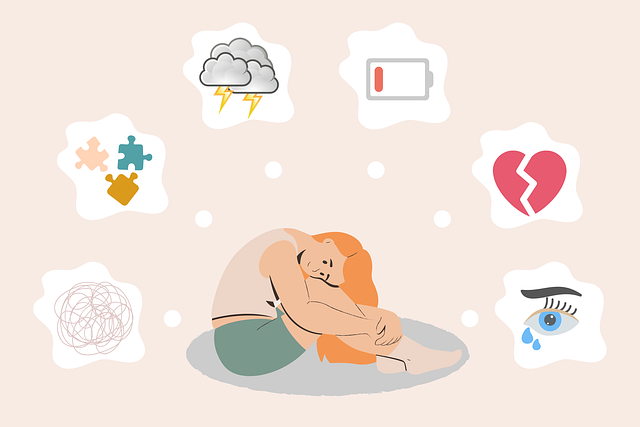
Anxiety is often described as a mental health condition, but for many people, it doesn’t just live in the mind—it lives in the body. Tight shoulders, a knotted stomach, jaw clenching, shallow breathing, heart palpitations, unexplained fatigue—these are not random symptoms. They are messages from a nervous system that has been under stress for too long.

If you’ve ever wondered why anxiety feels physical, why it lingers even when life seems calm, or why your body stays tense even when your thoughts are rational, you’re not imagining things. Anxiety can become stored in the body, shaping how we breathe, move, digest, and feel.
Where Does Anxiety Stay in the Body?
Anxiety doesn’t have a single storage location. Instead, it affects the entire nervous system, influencing muscles, organs, hormones, and even posture. The body remembers what the mind tries to forget.
The Mind–Body Connection Explained
The brain and body are constantly communicating through the nervous system. When the brain detects a threat—real or perceived—it activates the fight, flight, or freeze response. This response prepares the body to survive danger.
In short bursts, this is healthy. But when anxiety becomes chronic, the body stays in survival mode, even when no threat exists. Over time, stress responses stop turning off properly, and anxiety becomes physically embedded.
Common Places Anxiety Is Stored in the Body
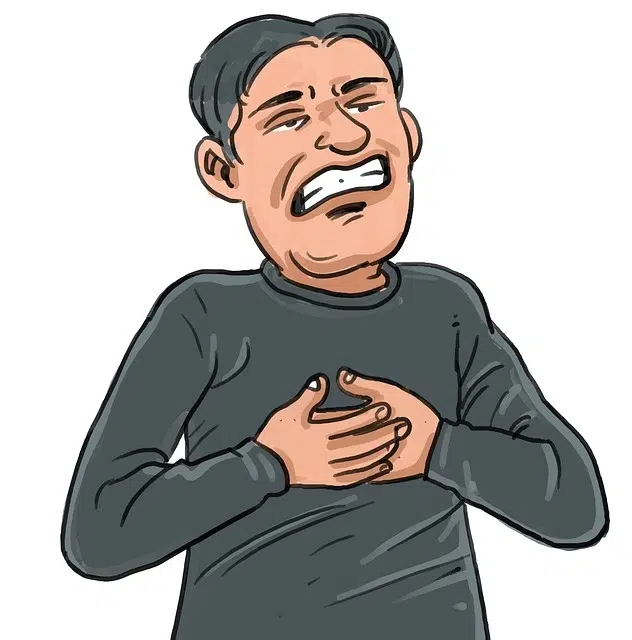
1. Chest and Heart
- Tightness or pressure in the chest
- Racing or pounding heartbeat
- Shallow breathing
This happens because anxiety activates adrenaline, increasing heart rate and oxygen demand. Over time, the chest muscles remain tense, reinforcing the feeling of panic.
2. Stomach and Gut
- Nausea, bloating, IBS symptoms
- “Butterflies” or sinking sensations
- Appetite changes
The gut is often called the second brain. Anxiety disrupts digestion because blood flow is diverted away from the stomach during stress.
3. Neck, Shoulders, and Upper Back
- Chronic stiffness
- Shoulder hunching
- Tension headaches
These areas tighten instinctively during stress to protect vital organs. When anxiety is ongoing, the muscles never fully relax.
4. Jaw and Face
- Jaw clenching or teeth grinding
- Facial tightness
- TMJ issues
Jaw tension is one of the most overlooked signs of stored anxiety and emotional suppression.
5. Hips and Pelvis
- Deep muscular tightness
- Restlessness or discomfort
The pelvis is closely linked to survival instincts. Fear and stress often settle here, especially when anxiety is long-term.
The Nervous System’s Role in Stored Anxiety
Anxiety is fundamentally a nervous system issue, not a character flaw or weakness. When the autonomic nervous system becomes dysregulated, the body struggles to return to a calm state.
There are three primary nervous system states:
- Fight or flight (sympathetic activation)
- Freeze or shutdown (dorsal vagal response)
- Rest and digest (parasympathetic regulation)
Stored anxiety occurs when the body is unable to access the third state consistently.
Long-Term Effects of Stress on the Body
When anxiety and stress persist, the body begins to adapt in unhealthy ways. What starts as protection becomes wear and tear.
Brain and Cognitive Effects
- Memory problems
- Difficulty concentrating
- Heightened threat perception
- Emotional reactivity
Chronic anxiety reshapes neural pathways, keeping the brain on constant alert.
Hormonal Imbalance
Stress hormones like cortisol and adrenaline remain elevated, leading to:
- Sleep disturbances
- Weight changes
- Blood sugar instability
- Fatigue and burnout
Over time, the adrenal system becomes exhausted.
Immune System Suppression
Long-term stress weakens immune defenses, increasing vulnerability to:
- Frequent infections
- Inflammation
- Autoimmune responses
The body prioritizes survival over healing.
Digestive and Gut Health Issues
- IBS and acid reflux
- Poor nutrient absorption
- Gut microbiome imbalance
An anxious nervous system disrupts digestion at every level.
Musculoskeletal Pain
Stored anxiety often manifests as:
- Chronic pain
- Muscle knots
- Fibromyalgia-like symptoms
These symptoms are real—not imagined—and reflect nervous system overload.
Cardiovascular Impact
Prolonged stress increases the risk of:
- High blood pressure
- Heart disease
- Chronic inflammation
The heart literally works harder when anxiety goes unaddressed.
How to Reduce Anxiety Naturally
Reducing anxiety stored in the body requires nervous system regulation, not just positive thinking. The body must feel safe before the mind can relax.
1. Regulate Your Breathing
Slow, deep breathing directly calms the nervous system.
Effective techniques include:
- Diaphragmatic breathing
- Box breathing
- Extended exhale breathing
Breathwork sends a signal of safety to the brain.
2. Gentle Movement and Somatic Release
The body releases stress through movement, not stillness alone.
Helpful practices:
- Walking
- Yoga
- Stretching
- Shaking or trembling exercises
Movement completes the stress response cycle.
3. Activate the Vagus Nerve
The vagus nerve controls relaxation and emotional regulation.
Natural stimulation methods:
- Humming or singing
- Cold water on the face
- Slow exhalation breathing
- Laughter and social connection
4. Improve Sleep Consistency
Sleep is essential for emotional processing.
Support better sleep by:
- Keeping a regular sleep schedule
- Reducing evening stimulation
- Limiting caffeine and screens
A rested nervous system is a calmer nervous system.
5. Nutrition for Anxiety Support
Certain nutrients help regulate stress:
- Magnesium
- Omega-3 fatty acids
- Protein for blood sugar stability
Avoid excessive sugar and stimulants that spike anxiety.
6. Somatic and Trauma-Informed Therapies
Therapies that work with the body—not just thoughts—are highly effective:
- Somatic Experiencing
- EMDR
- Trauma-informed CBT
These approaches help release anxiety stored beneath conscious awareness.
How Do You Recover from Anxiety?
Recovery from anxiety is not about eliminating fear—it’s about teaching your body that it is safe again.
Recovery Is Nervous System Healing
True recovery happens when:
- The body can relax naturally
- Stress responses turn off appropriately
- Emotions flow without overwhelming the system
This process is gradual and non-linear.
Emotional Processing vs Suppression
Anxiety often persists because emotions were never fully processed.
Healing requires:
- Allowing emotions without judgment
- Feeling sensations instead of avoiding them
- Releasing stored stress gently
What we resist, persists.
Releasing Anxiety from the Body
Stored anxiety leaves the body through:
- Breath
- Movement
- Emotional expression
- Safe connection
Healing is embodied, not just intellectual.
Building Long-Term Resilience
Recovery also involves:
- Creating emotional safety
- Setting boundaries
- Reducing chronic stressors
- Practicing self-compassion
Resilience grows with consistency, not perfection.
When to Seek Professional Help
If anxiety:
- Interferes with daily life
- Causes persistent physical symptoms
- Leads to panic or shutdown
Professional support can be life-changing and empowering.
Frequently Asked Questions (FAQ)
Can anxiety really be stored in the body?
Yes. Anxiety alters nervous system functioning, muscle tension, and organ regulation, leading to physical storage of stress responses.
Why does anxiety feel physical even when I’m calm mentally?
The body may still be operating in survival mode even after the mind feels safe.
How long does it take to release stored anxiety?
Healing varies, but with consistent regulation practices, many people notice improvements within weeks to months.
Can anxiety cause chronic pain?
Yes. Chronic muscle tension and nervous system dysregulation often lead to long-term pain conditions.
Final Thoughts: Healing Anxiety at the Root
Anxiety stored in the body is not a failure—it’s a survival response that worked too well for too long. Healing doesn’t mean forcing calm or silencing fear. It means listening to the body, restoring safety, and gently retraining the nervous system.
Recovery is possible. Your body is not broken—it’s asking to be understood.