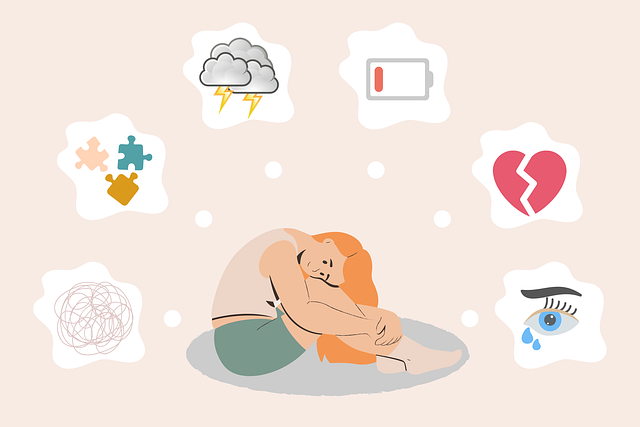
Loneliness is often misunderstood. Many people assume it means being physically alone or lacking social contact, yet some of the loneliest individuals are surrounded by others. In therapy settings, loneliness frequently appears not as a single complaint, but as an underlying emotional state driving anxiety, depression, relationship difficulties, low self-worth, and emotional numbness.
Loneliness is not a character flaw, a weakness, or a failure to “try harder socially.” It is a psychological experience rooted in unmet emotional connection, attachment needs, and a sense of not being truly seen or understood.

What Is Loneliness? (Psychological Definition Explained Simply)
From a psychological perspective, loneliness is the subjective experience of emotional or social disconnection, not merely the absence of people.
A person can be:
- Socially active yet deeply lonely
- In a relationship yet emotionally disconnected
- Surrounded by family yet feel unseen
Loneliness arises when there is a gap between the connection a person needs and the connection they perceive they have.
Key features of loneliness:
- It is subjective, not measurable by number of relationships
- It involves emotional pain and longing
- It affects cognition, emotion, and behavior
- It activates stress and threat systems in the brain
Loneliness is not simply sadness—it is a relational wound.
What Is the Psychology of Loneliness?
The psychology of loneliness is deeply rooted in attachment theory, evolutionary survival mechanisms, and nervous system functioning.
Humans are biologically wired for connection. From infancy, emotional attunement and responsiveness regulate:
- Stress levels
- Emotional safety
- Identity formation
- Sense of belonging
When connection is absent, inconsistent, or emotionally unsafe, the brain interprets this as a threat.
Loneliness as a Survival Signal
From an evolutionary standpoint, loneliness functions like hunger or pain:
- Hunger signals lack of nourishment
- Pain signals injury
- Loneliness signals lack of connection
This signal is meant to motivate reconnection. However, when loneliness becomes chronic, the system becomes dysregulated, leading to psychological distress rather than resolution.
Why Loneliness Affects the Mind So Deeply
Loneliness impacts mental health because it alters how the brain processes information, emotions, and social cues.
Research shows that chronic loneliness:
- Increases threat sensitivity
- Heightens negative self-perception
- Reduces emotional regulation capacity
- Increases stress hormone activity
- Weakens a sense of meaning and identity
Over time, the lonely mind becomes shaped by anticipation of rejection and disconnection, even when opportunities for connection exist.
Loneliness vs Being Alone: A Critical Psychological Distinction
Being alone is a physical state.
Loneliness is an emotional experience.
Some people thrive in solitude, using it for reflection, creativity, and rest. Others feel profoundly lonely even when rarely alone.
In therapy, this distinction is essential. Treating loneliness by increasing social activity alone often fails because the core issue is emotional connection, not proximity.
What Are the Mental Signs of Loneliness?
The mental signs of loneliness often develop quietly and persist beneath the surface. Clients may not initially identify loneliness as the issue, instead presenting with anxiety, depression, or low motivation.
Common Psychological Signs Include:
1. Persistent Feelings of Emptiness
A sense that something is missing, even when life appears “fine.”
2. Chronic Self-Doubt
Loneliness often erodes self-worth, leading to thoughts such as:
- “I’m uninteresting”
- “People don’t really care about me”
- “I don’t belong anywhere”
3. Rumination and Overthinking
Lonely individuals may replay conversations, worry about social interactions, or analyze perceived mistakes excessively.
4. Emotional Numbness
To protect against rejection or disappointment, some people shut down emotionally, reporting:
- Feeling flat
- Difficulty experiencing joy
- Emotional detachment
5. Heightened Sensitivity to Rejection
Neutral interactions may be interpreted as dismissive or rejecting.
How Does It Really Feel to Be Lonely?
Loneliness is not always loud or dramatic. For many, it is a quiet, persistent ache.
Clients often describe it as:
- Feeling invisible
- Feeling emotionally starved
- Feeling like an outsider
- Feeling fundamentally misunderstood
- Feeling disconnected even during conversations
Loneliness can coexist with gratitude, success, and functionality. This is why many people feel guilt or confusion about their loneliness, believing they “shouldn’t” feel this way.
Emotional Loneliness vs Social Loneliness
Psychologically, loneliness can be divided into two overlapping forms:
Emotional Loneliness
- Lack of deep emotional intimacy
- Absence of feeling known or understood
- Common in long-term relationships lacking emotional connection
Social Loneliness
- Lack of belonging to a group or community
- Feeling excluded or peripheral
- Often experienced during life transitions
Both forms can occur independently or together.
How Does a Lonely Person Behave?
Loneliness significantly shapes behavior, often in ways that unintentionally reinforce isolation.
Common Behavioral Signs of Loneliness:
1. Social Withdrawal
Avoiding interactions due to fear of rejection or emotional exhaustion.
2. People-Pleasing
Over-accommodating others to secure connection, often at the expense of personal boundaries.
3. Emotional Guarding
Keeping conversations superficial to avoid vulnerability.
4. Irritability or Defensiveness
Loneliness increases stress reactivity, leading to shorter emotional fuses.
5. Overuse of Distractions
Excessive scrolling, binge-watching, or work to numb feelings of disconnection.
These behaviors are protective, not pathological. They reflect attempts to cope with relational pain.
Loneliness and Attachment Patterns
Attachment history plays a major role in how loneliness is experienced.
- Anxious attachment may lead to intense longing, fear of abandonment, and hypervigilance
- Avoidant attachment may manifest as denial of loneliness and emotional distancing
- Disorganized attachment may involve craving connection while fearing it
In therapy, addressing loneliness often involves exploring early relational experiences and attachment wounds.
The Link Between Loneliness and Anxiety
Loneliness and anxiety reinforce each other.
Loneliness:
- Increases social threat perception
- Heightens self-consciousness
- Reduces felt safety
Anxiety:
- Discourages social engagement
- Increases avoidance
- Reinforces isolation
This cycle often brings clients into therapy presenting with social anxiety or generalized anxiety, while loneliness remains the underlying driver.
Loneliness and Depression: A Bidirectional Relationship
Loneliness is both a risk factor for and symptom of depression.
Loneliness contributes to:
- Hopelessness
- Loss of motivation
- Reduced pleasure
- Negative self-concept
Depression, in turn:
- Reduces energy for connection
- Increases withdrawal
- Reinforces isolation
Effective treatment often requires addressing both simultaneously.
Loneliness in the Modern World
Modern life presents unique challenges:
- Increased digital communication with reduced emotional depth
- Remote work and isolation
- Social comparison via social media
- Decline in community structures
Clients may have many online interactions yet feel emotionally disconnected, reinforcing the misconception that loneliness means social failure.
Loneliness Across the Lifespan
Young Adults
- Identity formation
- Social comparison
- Transition-related isolation
Adults
- Relationship strain
- Career-focused disconnection
- Emotional neglect within partnerships
Older Adults
- Loss of roles
- Bereavement
- Reduced social networks
Loneliness adapts to life stage but remains emotionally impactful at every age.
When Loneliness Becomes Chronic
Chronic loneliness occurs when disconnection persists for months or years and becomes integrated into identity.
Signs include:
- Believing connection is unattainable
- Expecting rejection
- Avoiding vulnerability
- Feeling resigned rather than distressed
At this stage, loneliness requires compassionate, structured intervention.
Therapeutic Approaches to Loneliness
Effective therapy focuses on safety, emotional attunement, and relational repair, not forcing social change.
Helpful approaches include:
- Attachment-based therapy
- Emotion-focused therapy
- Trauma-informed care
- Group therapy for safe relational exposure
- Somatic approaches to regulate social threat responses
Therapy itself often becomes the first experience of consistent emotional connection.
Gentle Steps Toward Healing Loneliness
Healing loneliness does not begin with “being more social.” It begins with emotional safety.
Supportive steps include:
- Validating loneliness without shame
- Building tolerance for vulnerability
- Developing self-compassion
- Relearning trust in relationships
- Creating meaningful, not numerous, connections
Connection is built slowly, not forced.
When to Seek Professional Help
Professional support is especially important when loneliness:
- Feels persistent or worsening
- Leads to depression or anxiety
- Impacts daily functioning
- Is accompanied by hopelessness
Loneliness is not a personal failure—it is a treatable psychological experience.
Final Thoughts
Loneliness is one of the most painful and misunderstood emotional experiences humans face. It shapes thoughts, emotions, and behavior in profound ways, yet often remains invisible.
In therapy and psychological practice, recognizing loneliness as a core emotional experience rather than a social deficit allows for deeper healing. With safety, understanding, and connection, loneliness can soften—and a sense of belonging can gradually return.
FAQ Answers
What is loneliness psychologically?
Loneliness is the emotional experience of lacking meaningful connection, not simply being alone.
What are the mental signs of loneliness?
Emptiness, rumination, low self-worth, emotional numbness, and heightened sensitivity to rejection.
How does loneliness affect behavior?
It can lead to withdrawal, people-pleasing, emotional guarding, irritability, or avoidance.
Can loneliness affect mental health?
Yes. Chronic loneliness is strongly linked to anxiety, depression, and emotional dysregulation.