Psychotherapy—often called talk therapy—is one of the most effective and widely used approaches for improving mental health, emotional wellbeing, and overall quality of life. Yet for many people, the world of therapy can feel confusing or overwhelming. With so many therapy styles, techniques, and approaches, it’s common to wonder: What exactly is psychotherapy? How does it work? And which type of therapy is right for me?
This comprehensive guide explains psychotherapy in clear, simple language. You’ll learn what psychotherapy means, explore the 4 major types of psychotherapy, understand different psychotherapy techniques, and get a clear answer to the question “What are the 5 types of therapy?” By the end, you’ll have the knowledge and confidence to make informed decisions about mental health treatment.
Psychotherapy Definition
What Is Psychotherapy?
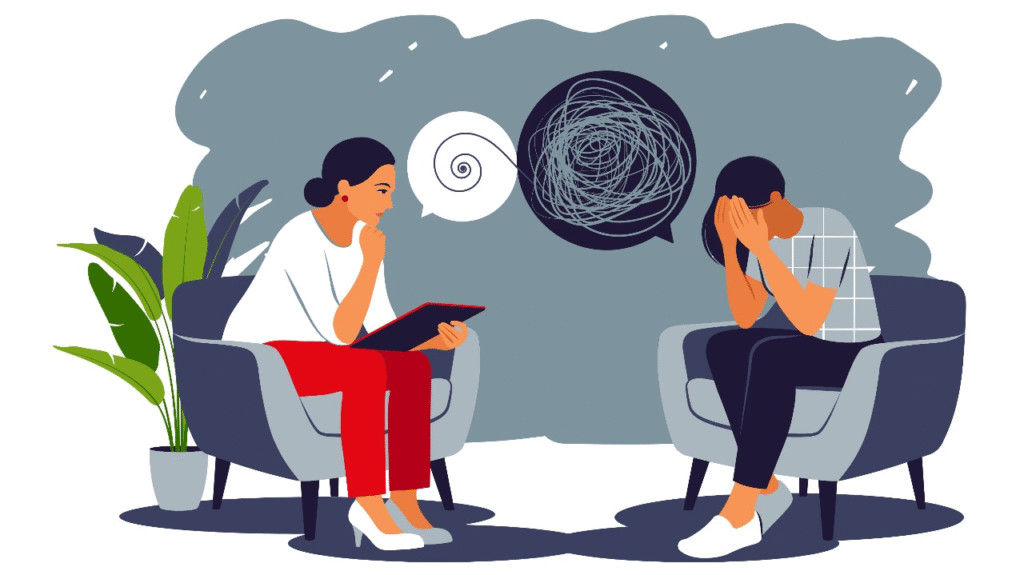
Psychotherapy is a structured, professional process in which a trained mental health provider helps individuals understand, manage, and improve emotional, psychological, and behavioral challenges. It involves guided conversations, evidence-based techniques, and a supportive therapeutic relationship designed to promote insight, healing, and personal growth.
In simple terms, psychotherapy helps people:
- Understand their thoughts, emotions, and behaviors
- Learn healthier coping strategies
- Heal from trauma and emotional pain
- Improve relationships and communication
- Build resilience and self-awareness
How Psychotherapy Works
Psychotherapy works by creating a safe, confidential space where individuals can explore their inner experiences without judgment. Through consistent sessions, clients begin to identify patterns, challenge unhelpful beliefs, process emotions, and practice new ways of thinking and behaving.
Depending on the therapy type, sessions may focus on:
- Past experiences and early relationships
- Current thoughts and behaviors
- Emotional regulation and distress tolerance
- Problem-solving and goal setting
Psychotherapy vs Counseling vs Medication
While often used interchangeably, these terms have distinct meanings:
- Psychotherapy: A broad term covering many evidence-based psychological treatments
- Counseling: Usually shorter-term and focused on specific life issues
- Medication: Prescribed by medical professionals to manage symptoms biologically
Many people benefit most from a combination of psychotherapy and medication, but therapy alone can be highly effective for numerous conditions.
4 Major Types of Psychotherapy
Most psychotherapy approaches fall under four major categories. Each has a unique philosophy, focus, and set of techniques.
1. Psychodynamic Therapy
Psychodynamic therapy explores how unconscious thoughts, early life experiences, and unresolved conflicts influence current behavior and emotional patterns.
Key Features:
- Focus on childhood experiences
- Exploration of unconscious processes
- Understanding emotional patterns and defenses
- Emphasis on the therapeutic relationship
Common Uses:
- Depression
- Anxiety
- Relationship difficulties
- Trauma and attachment issues
Psychodynamic therapy is especially helpful for individuals seeking deep self-understanding and long-term emotional growth.
2. Cognitive Behavioral Therapy (CBT)
Cognitive Behavioral Therapy (CBT) is one of the most researched and widely used psychotherapy types. It focuses on identifying and changing unhelpful thought patterns and behaviors.
Key Features:
- Structured and goal-oriented
- Focus on present thoughts and behaviors
- Skill-building approach
- Homework and practical exercises
Common Uses:
- Anxiety disorders
- Depression
- OCD
- PTSD
- Phobias
CBT empowers individuals to become active participants in their healing by learning tools they can apply outside therapy sessions.
3. Humanistic Therapy
Humanistic therapy emphasizes personal growth, self-acceptance, and the individual’s capacity for self-healing. It views people as inherently capable of change when provided with empathy and understanding.
Key Features:
- Client-centered approach
- Emphasis on empathy and authenticity
- Focus on self-awareness and values
- Non-directive style
Common Uses:
- Low self-esteem
- Identity concerns
- Relationship issues
- Personal development
Person-centered therapy, developed by Carl Rogers, is a well-known humanistic approach.
4. Behavioral Therapy
Behavioral therapy focuses on modifying observable behaviors rather than exploring underlying emotions or thoughts. It is based on learning theory.
Key Features:
- Focus on behavior change
- Reinforcement and conditioning
- Measurable goals
- Practical interventions
Common Uses:
- Phobias
- ADHD
- Autism spectrum disorders
- Habit disorders
Behavioral therapy is especially effective when clear behavioral goals are identified.
Psychotherapy Types
Beyond the four major categories, many specialized psychotherapy types exist. These approaches often integrate techniques from multiple schools of thought.
Cognitive Behavioral Therapy (CBT)
CBT helps individuals recognize distorted thinking patterns and replace them with healthier alternatives.
Dialectical Behavior Therapy (DBT)
DBT focuses on emotional regulation, mindfulness, distress tolerance, and interpersonal effectiveness. It is commonly used for intense emotional dysregulation.
Eye Movement Desensitization and Reprocessing (EMDR)
EMDR is a trauma-focused therapy that helps process distressing memories using bilateral stimulation.
Interpersonal Therapy (IPT)
IPT focuses on improving relationships and communication patterns that contribute to emotional distress.
Family Therapy
Family therapy addresses relationship dynamics within families and helps improve communication and problem-solving.
Group Therapy
Group therapy provides peer support and shared learning experiences guided by a trained therapist.
Trauma-Focused Therapies
These therapies are specifically designed to address trauma, including PTSD and complex trauma.
Psychotherapy Techniques
Psychotherapy techniques vary depending on the therapy type and individual needs. Therapists often tailor techniques to best support the client.
Common Techniques Used in Psychotherapy
Cognitive Techniques
- Identifying cognitive distortions
- Thought challenging
- Cognitive restructuring
Emotional Techniques
- Emotion identification
- Emotional processing
- Affect regulation
Behavioral Techniques
- Exposure therapy
- Behavioral activation
- Skill rehearsal
Somatic Techniques
- Body awareness exercises
- Breathwork
- Grounding strategies
Trauma-Informed Techniques
- Stabilization and safety building
- Memory processing
- Nervous system regulation
What Are the 5 Types of Therapy?
While classifications vary, five commonly referenced therapy types include:
- Cognitive Behavioral Therapy (CBT) – Focuses on thoughts and behaviors
- Psychodynamic Therapy – Explores unconscious influences
- Humanistic Therapy – Emphasizes personal growth
- Behavioral Therapy – Targets behavior modification
- Integrative Therapy – Combines multiple approaches
Each type serves different needs, and no single approach works best for everyone.
Benefits of Psychotherapy
Psychotherapy offers numerous benefits, including:
- Improved emotional regulation
- Better coping skills
- Increased self-awareness
- Stronger relationships
- Reduced symptoms of mental health conditions
Long-term therapy can also lead to lasting personality and behavioral changes.
How Long Does Psychotherapy Take?
The length of psychotherapy varies depending on:
- Therapy type
- Individual goals
- Severity of concerns
- Frequency of sessions
Some people benefit from short-term therapy lasting weeks, while others engage in long-term therapy over months or years.
How to Choose the Right Type of Therapy
When choosing psychotherapy, consider:
- Your specific concerns
- Therapy goals
- Therapist expertise
- Personal comfort and connection
It’s okay to try more than one approach to find the best fit.
What to Expect in Your First Therapy Session
During your first session, you can expect:
- Discussion of concerns and goals
- Explanation of therapy approach
- Confidentiality overview
- Opportunity to ask questions
The first session sets the foundation for a trusting therapeutic relationship.
Common Myths About Psychotherapy
- Therapy is only for severe mental illness
- Therapy means you’re weak
- Therapy provides instant solutions
In reality, psychotherapy is a proactive, strength-based tool for growth.
Can Psychotherapy Work Without Medication?
Yes. Many people experience significant improvement through psychotherapy alone. Medication may be helpful for some conditions, but therapy addresses the underlying psychological and emotional factors.
Conclusion
Psychotherapy is a powerful, evidence-based path toward healing, self-discovery, and emotional wellbeing. With many therapy types and techniques available, there is no one-size-fits-all solution. The most effective therapy is the one that meets your unique needs, aligns with your values, and feels supportive.
Seeking psychotherapy is not a sign of weakness—it is an act of courage, self-care, and hope. Whether you’re navigating anxiety, healing from trauma, or simply seeking personal growth, psychotherapy can help you move forward with clarity and confidence.
FAQ,S
What is psychotherapy?
Psychotherapy is a professional mental health treatment where a trained therapist helps individuals understand thoughts, emotions, and behaviors to improve emotional wellbeing and coping skills.
What are the 4 major types of psychotherapy?
The four major types of psychotherapy are psychodynamic therapy, cognitive behavioral therapy (CBT), humanistic therapy, and behavioral therapy. Each focuses on different aspects of mental health.
What are the 5 types of therapy?
The five commonly recognized types of therapy are cognitive behavioral therapy (CBT), psychodynamic therapy, humanistic therapy, behavioral therapy, and integrative therapy.
What techniques are used in psychotherapy?
Psychotherapy techniques include talk therapy, cognitive restructuring, emotional processing, exposure therapy, mindfulness, grounding exercises, and trauma-informed approaches.
How does psychotherapy work?
Psychotherapy works by helping individuals identify emotional patterns, challenge unhelpful thoughts, process experiences, and develop healthier coping strategies in a safe environment.
Is psychotherapy effective without medication?
Yes, psychotherapy can be effective without medication for many mental health conditions by addressing emotional, behavioral, and psychological causes directly.
Which type of psychotherapy is best?
The best type of psychotherapy depends on individual needs, mental health concerns, and personal goals. No single therapy works for everyone.
How long does psychotherapy take?
Psychotherapy can be short-term (a few weeks or months) or long-term (months to years), depending on goals, therapy type, and symptom severity.
Is psychotherapy only for mental illness?
No, psychotherapy is also used for personal growth, stress management, relationship issues, trauma recovery, and improving emotional resilience.