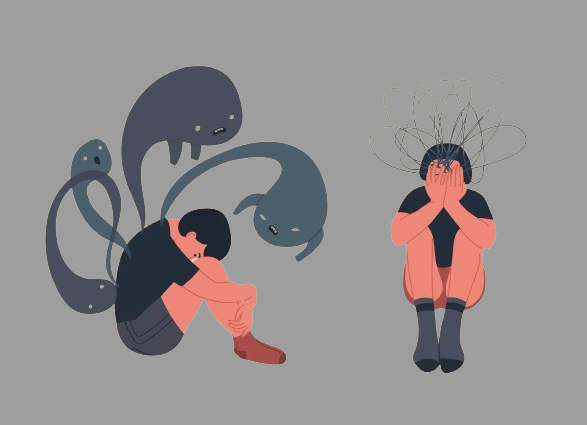
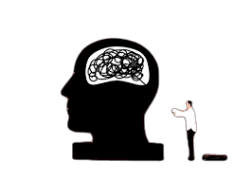
Psychogenic Non-Epileptic Seizures (PNES) are seizure-like episodes that look very similar to epileptic seizures but are not caused by abnormal electrical activity in the brain. Instead, they are triggered by psychological factors, especially stress, trauma, emotional conflict, or overwhelming internal pressure.

PNES is categorized under Functional Neurological Symptom Disorder (Conversion Disorder) in psychology. The person does not fake symptoms — the episodes are real, involuntary, and deeply distressing.
This article provides a clear, professional breakdown of what causes PNES, how the mind-body connection works, and why these episodes occur.
What Exactly Are PNES?
PNES episodes often resemble epileptic seizures, including:
- shaking or convulsing
- unresponsiveness
- collapsing
- stiffening or jerking movements
- crying, trembling, or hyperventilation afterward
However, EEG scans show no epileptic activity, which means the cause is psychological rather than neurological.
What Causes Psychogenic Non-Epileptic Seizures?
PNES develops when emotional or psychological distress overwhelms the brain, causing it to “shut down” or express distress through physical symptoms.
Here are the main causes:
1. Past Trauma (Most Common Cause)
Trauma is the strongest predictor of PNES.
Types of trauma linked to PNES:
- childhood emotional, physical, or sexual abuse
- domestic violence
- traumatic grief
- witnessing violence
- medical trauma (e.g., ICU stays, surgeries)
- accidents or sudden loss
PNES acts as the brain’s emergency coping mechanism when emotional pain is too overwhelming to process consciously.
Why trauma causes seizures:
The nervous system becomes hyper-activated. When overwhelmed, it disconnects or “freezes,” leading to seizure-like responses.
2. Emotional Suppression
Many individuals with PNES have learned — consciously or subconsciously — to suppress emotions.
For example:
- “I can’t get angry.”
- “I shouldn’t show sadness.”
- “I must stay strong for others.”
When emotions have no safe outlet, they often manifest physically. PNES becomes the body’s way to release internal tension that the person cannot express verbally.
3. Chronic Stress and Emotional Overload
PNES can develop after prolonged stress that overwhelms the nervous system.
Stress triggers include:
- relationship conflict
- job stress or burnout
- financial pressure
- academic pressure
- immigration stress
- caregiving responsibilities
- health worries
When the brain reaches its limit, it may trigger a PNES episode to “shut down” emotional overload.
4. Anxiety Disorders
PNES often co-occurs with:
- Generalized Anxiety Disorder (GAD)
- Panic Disorder
- PTSD
- Social Anxiety
- Phobias
Panic can trigger the fight-flight-freeze response, and in some cases, the body enters a freeze or collapse pattern that resembles a seizure.
During severe panic, the body may:
- dissociate
- hyperventilate
- lose control of muscles
- faint or shake
PNES is the extreme form of this response.
5. Depression
People with depression may develop:
- emotional numbness
- difficulty coping
- fatigue and exhaustion
- guilt or hopelessness
When emotions build up without release, the body may respond through physical shutdown, leading to PNES episodes.
6. Dissociation
Dissociation is when a person mentally “disconnects” during stress. PNES can occur during deep dissociation when the brain momentarily disconnects from physical control.
Signs of dissociation include:
- feeling detached
- zoning out
- memory gaps
- feeling unreal or disconnected
- emotional blunting
PNES may appear when this dissociation becomes overwhelming.
7. Unresolved Inner Conflict
Psychodynamic and trauma-based theories suggest PNES can result from internal emotional conflict, such as:
- wanting to avoid a stressful situation
- feeling trapped in responsibilities
- unresolved guilt
- fear of expressing needs
- deep emotional pain
The seizure becomes the brain’s way of escaping impossible emotional pressure.
8. Learned Physical Response
In some individuals, exposure to seizures in family members or past medical experiences can “teach” the brain a physical response to stress.
For example:
- Growing up with a family member who has epilepsy
- Having fainting episodes in childhood
- Witnessing others have seizures
The brain may reproduce similar symptoms during emotional distress.
9. Personality Factors (Not Personality Disorders)
Certain psychological traits increase vulnerability to PNES, such as:
- high emotional sensitivity
- difficulty expressing emotions
- perfectionism
- fear of conflict
- people-pleasing behavior
- strong need for approval
- internalizing stress
None of these traits cause PNES alone — but they intensify emotional pressure.
10. Recent Major Life Event
PNES often begins shortly after:
- a breakup
- divorce
- job loss
- relocation
- death of a loved one
- medical diagnosis
- severe argument
- major life transitions
These events push the nervous system into overwhelm.
11. Medical Stress or Misdiagnosed Neurological Symptoms
Medical situations can trigger PNES — especially when:
- the person fears a severe diagnosis
- symptoms are confusing
- tests are inconclusive
- there is uncertainty about health
This fear-stress cycle can activate the functional neurological response.
12. Difficulty Communicating Emotional Needs
Some people struggle to verbalize emotional pain, conflict, or needs.
Instead of expressing:
- anger
- fear
- sadness
- frustration
- helplessness
…their body expresses it through PNES episodes.
How PNES Works in the Brain: The Mind–Body Link
PNES episodes occur because the brain’s emotional center (amygdala) becomes overactive, while the reasoning center (prefrontal cortex) shuts down temporarily.
During overwhelm:
- The brain enters survival mode.
- Conscious control over the body decreases.
- The nervous system “resets” through an involuntary physical reaction.
This produces:
- shaking
- unresponsiveness
- collapse
- convulsions
It is a neurobiological response, not intentional.
What Does NOT Cause PNES
It is important to understand:
- PNES is not epilepsy
- PNES is not faking
- PNES is not attention-seeking
- PNES is not manipulation
- PNES is not “in the person’s head”
The symptoms are genuine and often terrifying.
Common Triggers for PNES Episodes
Episodes may occur during:
- stress or emotional conflict
- arguments
- overwhelming responsibilities
- traumatic reminders
- intense anxiety
- feeling trapped
- sensory overload
- physical exhaustion
- sleep deprivation
Sometimes, episodes occur shortly after stress — not during it — because the nervous system crashes once the stressor passes.
Treatment: Can PNES Be Cured?
PNES is highly treatable, especially when the psychological root is addressed.
Most effective treatments include:
1. Cognitive Behavioral Therapy (CBT)
Helps the patient:
- understand triggers
- manage stress
- reduce physical symptoms
- break the cycle of episodes
2. Trauma-Focused Therapy (EMDR, somatic therapy, trauma-informed CBT)
Essential for individuals with trauma histories.
3. Dialectical Behavior Therapy (DBT)
For emotional regulation, distress tolerance, and management of intense feelings.
4. Psychiatric Treatment (when needed)
To treat co-occurring:
- depression
- anxiety
- PTSD
5. Physical Therapy
For movement-based symptoms.
6. Psychoeducation
Learning how the brain-body interaction works reduces fear and stigma.
7. Stress Reduction Skills
Breathing, grounding, mindfulness, and nervous system regulation.
Recovery Outlook
With proper treatment, 60–80% of people improve significantly.
Early diagnosis greatly increases success.
Final Thoughts
Psychogenic Non-Epileptic Seizures are real, involuntary, and deeply rooted in emotional or psychological distress. They are caused by the brain’s response to trauma, stress, emotional overload, internal conflict, or unresolved psychological pain.