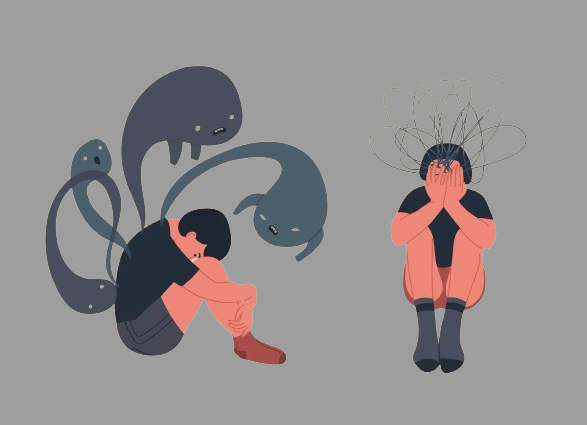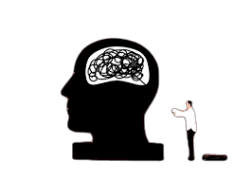
Mania and hypomania are two conditions that sit on the same emotional spectrum, yet they are significantly different in intensity, impact, and risk. Both involve elevated mood, increased energy, and unusual activity levels, but their consequences can vary from mildly disruptive to extremely dangerous. Understanding these differences is crucial for anyone trying to recognize mood changes in themselves or someone they care about—especially within the context of bipolar spectrum conditions.

In psychology and psychiatry, these states are often misunderstood because they can initially feel positive. Many people describe the beginning stages as feeling “better than normal,” “productive,” or “full of ideas.” But while hypomania might seem harmless at first glance, it can quickly escalate into mania if not recognized early. Mania, on the other hand, often represents a point where behavior becomes impulsive, judgment becomes impaired, and daily functioning becomes impaired.
This article explores the full psychological picture of mania versus hypomania—how they feel, how they differ, and how professionals identify each. The goal is to offer a clear, thorough, and empathic explanation that helps readers identify the signs early and seek proper support.
At what point does hypomania become mania?
While hypomania and mania share similar symptoms, the intensity, duration, and impact on life are what separate them. The transition from hypomania to mania is not defined by a single moment; instead, it is a gradual escalation of emotional, physical, and behavioral symptoms.
1. The key difference: functional impairment
In hypomania, a person may feel elevated but can still manage daily responsibilities. They can work, socialize, and maintain routines—even if they’re more talkative, energetic, or confident than usual.
In mania, functioning becomes significantly impaired. This impairment may include:
- inability to sleep for days
- impulsive spending
- risky sexual behavior
- unrealistically grand beliefs
- irritability that leads to conflict
- inability to complete tasks or keep routines
- extreme distractibility
Functionality is a major diagnostic marker. If a person can no longer maintain daily life, hypomania has crossed into mania.
2. Duration matters
Clinically:
- Hypomania must last at least 4 consecutive days.
- Mania must last at least 7 days, or be severe enough to require immediate clinical intervention.
However, many people experience escalating symptoms sooner.
3. Severity of symptoms
Hypomania is lighter and often feels pleasant:
- increased energy
- heightened creativity
- more talkative
- mild impulsivity
Mania is more intense, often overwhelming:
- inability to slow down thoughts
- pressured speech (talking nonstop)
- extreme irritability or euphoria
- reckless decisions
- severe insomnia
- delusions or psychosis (in some cases)
4. The appearance of high-risk behavior
Hypomania may cause smaller risks, such as oversharing or staying awake too late.
Mania brings high-risk behaviors, including:
- emptying bank accounts
- driving dangerously fast
- starting unrealistic business plans
- believing they have special powers or destiny
- aggressive behavior
- losing touch with reality
The moment behavior becomes dangerous, delusional, or uncontrollable, hypomania is considered mania.
5. Loss of insight
Hypomania often comes with awareness. A person might say:
“I know I’m hyper, but I feel good.”
In mania, insight collapses:
“I’m not sick. I’m chosen. I don’t need sleep. I know what I’m doing.”
Once insight is lost, mania is typically already present.
What are the main symptoms of hypomania?
Hypomania is a state of elevated or irritable mood that is noticeable but not severely impairing. People often describe themselves as:
- “better than normal”
- “super productive”
- “confident”
- “energized”
- “in a good flow”
Hypomania can feel beneficial, which makes it tricky to identify. The symptoms may start subtly, intensify, and then plateau.
Let’s break down the main symptoms.
1. Elevated or irritable mood
Hypomania often begins with an uplifted or unusually cheerful mood.
Others may notice:
- jokes or laughs more
- appears overly optimistic
- gets annoyed easily
- becomes impatient with others
- shows emotional intensity
2. Increased energy and activity
People feel like they can do anything. Examples:
- cleaning the entire house at night
- starting multiple projects at once
- becoming more active on social media
- going out more frequently
Tasks seem effortless, and motivation feels unusually strong.
3. Increased talkativeness
Speech becomes:
- faster
- more animated
- more expressive
- filled with new ideas
Some people interrupt more or jump from topic to topic.
4. Decreased need for sleep
One of the most reliable indicators:
- sleeping 4–6 hours but feeling fully rested
- having bursts of energy late at night
- waking up early with excitement
However, unlike mania, sleep loss doesn’t usually cause immediate impairment.
5. Heightened confidence or self-esteem
Individuals may feel:
- “on top of the world”
- unusually social
- more creative or talented
- more capable than usual
But the self-esteem increase is mild compared to mania.
6. Increased risk-taking
This includes:
- spending a bit more money
- making quick decisions
- flirting more
- taking small impulsive actions
However, these behaviors rarely cause severe consequences.
7. Racing thoughts
Thoughts feel fast, creative, and exciting—but not yet chaotic or overwhelming.
8. Improved productivity
Many people enjoy this symptom, describing it as:
- “I finally feel alive.”
- “Everything just flows.”
- “My brain feels open.”
Hypomania often boosts performance temporarily.
In summary, hypomania feels like a brighter, faster version of oneself, while still maintaining general control.
What are 5 symptoms of the manic phase?
Mania is the more severe state of mood elevation. Not everyone experiences all symptoms, but the following five are some of the most hallmark indicators.
1. Extreme elevation or irritability
Manic mood can swing between:
- intense euphoria
- explosive irritability
- uncontrollable excitement
This mood is not just “good energy”—it is overwhelming and uncontainable.
2. Severe reduction in sleep
This is one of the strongest markers. People may:
- sleep 0–3 hours
- feel energized without rest
- stay awake for days
- insist they “don’t need sleep anymore”
The body becomes overstimulated.
3. Psychomotor agitation
This includes:
- pacing constantly
- tapping fingers or legs
- feeling unable to sit still
- doing multiple things at once
- starting dozens of projects
Energy becomes chaotic rather than productive.
4. Impulsive or risky behavior
These actions may have life-altering consequences:
- excessive spending (entire savings, credit debt)
- dangerous driving
- unprotected or impulsive sexual behavior
- quitting jobs suddenly
- aggressive confrontations
- traveling impulsively without a plan
Manic impulsivity is unpredictable and intense.
5. Grandiosity or inflated self-esteem
A manic person may believe they have:
- special abilities
- supernatural gifts
- incredible talents
- destined missions
- unique importance
This grandiosity can escalate into delusions.
Additional manic symptoms include:
- pressured speech (talking nonstop)
- severe racing thoughts
- hallucinations or psychosis
- inability to focus
- irritability leading to conflict
Mania is powerful, consuming, and can rapidly destabilize someone’s life.
How do I know if I’m hypomanic or just happy?
This is one of the most common and important questions in psychology. Happiness is a normal emotion, while hypomania is a clinical mood state involving distinct patterns, intensity, and behavioral changes.
Here is how to tell the difference clearly.
1. Happiness is stable; hypomania accelerates
Feeling happy is normal and usually tied to a specific event or pleasant experience.
Hypomania:
- appears suddenly
- lasts for days
- comes with elevated energy
- intensifies over time
It doesn’t feel like a mood—it feels like a state of activation.
2. Happiness does not disrupt sleep
Happy people sleep normally.
Hypomania:
- reduces sleep dramatically
- creates nighttime energy
- makes people feel “too excited” to sleep
If you’re losing sleep but not feeling tired, it may signal hypomania.
3. Happiness does not cause impulsive decisions
Happy people can still think rationally.
Hypomania triggers:
- buying sprees
- oversharing
- fast talking
- increased risk-taking
- spontaneous decisions
The behavior becomes accelerated and harder to control.
4. Happiness does not interfere with focus
Hypomania often causes:
- rapid idea flow
- difficulty finishing tasks
- jumping between activities
- distractibility
Even if creativity increases, focus becomes scattered.
5. Happiness does not cause irritability
Hypomanic irritability is common and sudden:
- becoming impatient
- snapping at others
- feeling overstimulated
- being easily frustrated
This emotional intensity differentiates it from joy.
6. Happiness feels serene; hypomania feels charged
Happiness:
- calm, warm, steady
Hypomania:
- electric, buzzing, fast
- like “your brain is turned on too bright”
7. Happiness is proportional; hypomania feels excessive
Happiness matches the situation.
Hypomania feels:
- out of proportion
- bigger than the moment
- uncontrollable
If your mood feels unusually elevated without a clear cause, it may be hypomania.
Mania vs Hypomania: Clear Side-by-Side Comparison
| Feature | Hypomania | Mania |
|---|---|---|
| Sleep | Reduced but functional | Severe insomnia, days without sleep |
| Mood | Elevated or irritable | Extreme euphoria or rage |
| Energy | High but manageable | Excessive and chaotic |
| Risk-taking | Mild to moderate | Severe, dangerous |
| Thinking | Fast but creative | Racing, overwhelming, sometimes disorganized |
| Functioning | Still able to manage life | Major impairment |
| Insight | Usually aware | Often lost |
| Duration | 4+ days | 7+ days or requires treatment |
| Severity | Noticeable | Serious, often requires intervention |
Conclusion: Understanding the Distinction
Hypomania and mania exist on the same psychological spectrum, but their impact, intensity, and risks are very different. Hypomania is noticeable and can feel exciting, but mania is overpowering and potentially dangerous. Recognizing early symptoms can prevent escalation, reduce risk, and support healthier mood regulation.
If mood changes begin affecting sleep, decision-making, functioning, or relationships—it is essential to pay attention. Understanding these states is not only important for those experiencing them, but also for loved ones who want to offer support.
This comprehensive look at mania vs hypomania offers a tool for awareness, clarity, and early identification—empowering individuals to understand their psychological experiences with compassion and insight.