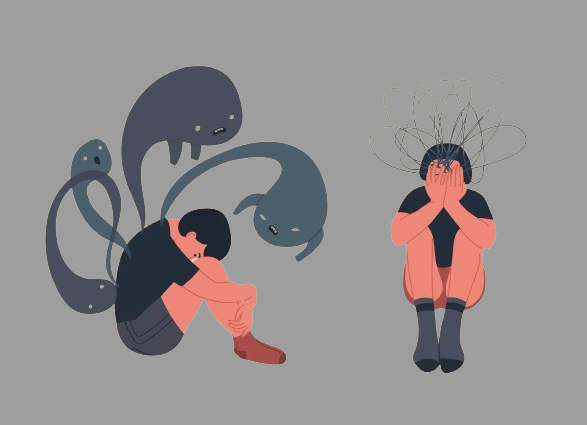
Introduction: Understanding the Mind Beyond Labels
Intellectual disorder—also known as intellectual developmental disorder (IDD) under the DSM-5 (Diagnostic and Statistical Manual of Mental Disorders, Fifth Edition)—is more than a clinical term. It represents a lifelong condition that affects how individuals learn, reason, solve problems, and adapt to everyday life.
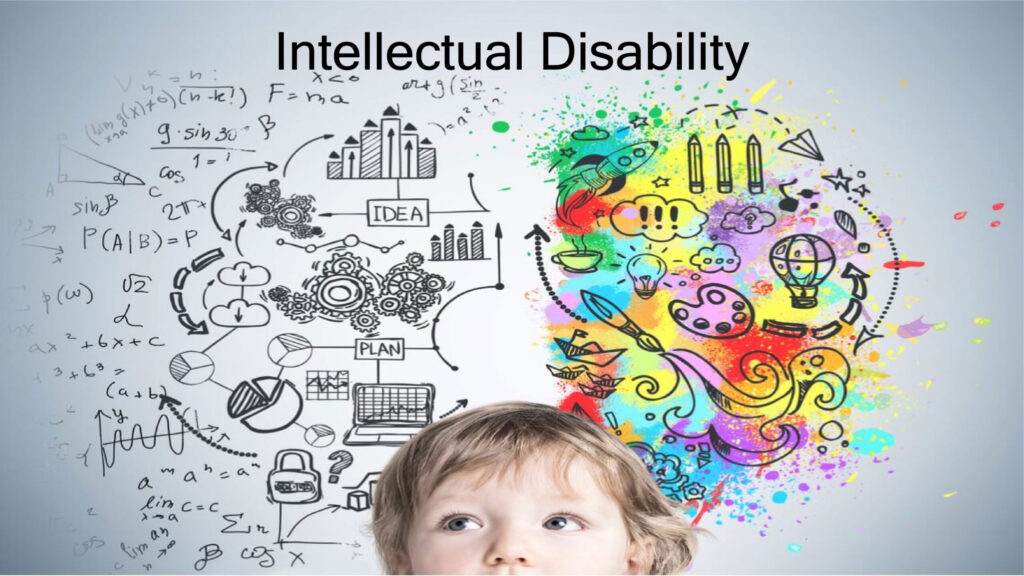
While society often uses outdated or insensitive terms like “mental retardation,” the DSM-5 replaced this with intellectual developmental disorder to reflect a more compassionate and accurate understanding of the condition.
What Is Considered an Intellectual Disorder?
Defining Intellectual Developmental Disorder (IDD)
According to the DSM-5, intellectual developmental disorder is characterized by significant limitations in both intellectual functioning and adaptive behavior that begin during the developmental period (typically before the age of 18).
These limitations affect everyday social, conceptual, and practical skills necessary for independent living.
1. Intellectual Functioning
This includes the ability to learn, reason, plan, think abstractly, and understand complex ideas.
It’s often measured through standardized IQ tests, where:
- IQ below 70 indicates possible intellectual disability.
- However, diagnosis cannot rely on IQ alone—adaptive functioning and developmental history are equally critical.
2. Adaptive Functioning
Adaptive functioning refers to how well a person manages everyday tasks and social demands. It is divided into three major domains:
- Conceptual (academic) – skills in language, reading, writing, and math.
- Social – empathy, judgment, interpersonal communication, and social awareness.
- Practical – personal care, money management, work responsibilities, and daily routines.
3. Onset During Developmental Period
Symptoms must appear before adulthood, distinguishing IDD from cognitive decline that occurs later in life (e.g., dementia).
DSM-5 Severity Levels of Intellectual Disability
The DSM-5 categorizes intellectual disorder by severity levels based on adaptive functioning—not IQ scores alone:
| Severity | Conceptual Domain | Social Domain | Practical Domain |
|---|---|---|---|
| Mild | Some difficulties in academic skills (reading, writing, math) | Immature social interactions | May live independently with minimal support |
| Moderate | Marked lag in academic and language skills | Difficulty interpreting social cues | Needs moderate supervision for work/daily life |
| Severe | Little understanding of written language or numbers | Limited spoken language | Requires extensive daily support |
| Profound | Minimal symbolic communication | Dependent on others entirely | Constant care and supervision required |
These categories help professionals design personalized support systems focusing on individual strengths rather than deficits.
What Causes Intellectual Disorder?
1. Genetic Factors
Some intellectual disorders result from genetic abnormalities. Common genetic causes include:
- Down syndrome (Trisomy 21)
- Fragile X syndrome
- Prader-Willi and Angelman syndromes
- Phenylketonuria (PKU) (a metabolic condition leading to cognitive impairment if untreated)
2. Prenatal and Perinatal Factors
- Maternal malnutrition, infections, or alcohol and drug exposure can damage brain development.
- Birth complications, such as oxygen deprivation or premature birth, can contribute to IDD.
3. Environmental Factors
Neglect, trauma, or exposure to environmental toxins (like lead or mercury) during early childhood can interfere with brain maturation.
4. Unknown or Multifactorial Causes
In nearly 30–40% of cases, the exact cause remains unknown, suggesting a complex interplay of genetics and environment.
Can Someone with an Intellectual Disability Live a Normal Life?
Absolutely—many people with intellectual disabilities lead fulfilling, meaningful, and productive lives, particularly when they receive early intervention, education, and supportive environments.
1. Independence and Life Skills
- Individuals with mild to moderate IDD often hold jobs, maintain relationships, and manage households with community support.
- Skill-building programs in communication, self-care, and financial literacy improve independence.
2. Education and Employment
Modern inclusive education policies encourage children with IDD to study alongside peers in regular classrooms with tailored assistance.
Many adults with intellectual disabilities excel in structured or supervised work environments, particularly in service industries or creative fields.
3. Relationships and Emotional Wellbeing
People with IDD form strong emotional bonds. They experience the same range of emotions as others—love, grief, joy, and frustration. With community support, they thrive socially and emotionally.
4. Medical and Psychological Care
Ongoing behavioral therapy, occupational training, and medical supervision help individuals manage co-occurring challenges such as anxiety, speech delays, or sensory sensitivities.
Living a “normal” life is not about intellectual comparison—it’s about the ability to connect, contribute, and experience belonging.
What Are the Most Common Intellectual Disorders?
1. Down Syndrome
A genetic condition caused by an extra chromosome 21, resulting in distinctive physical features and developmental delays. Most individuals have mild to moderate intellectual disability.
2. Fragile X Syndrome
An inherited disorder caused by a mutation in the FMR1 gene, often leading to learning disabilities, attention problems, and social anxiety.
3. Fetal Alcohol Spectrum Disorder (FASD)
Caused by prenatal alcohol exposure, it affects brain structure and leads to cognitive, behavioral, and emotional difficulties.
4. Autism Spectrum Disorder (with Co-occurring IDD)
Although autism and intellectual disorder are distinct, 40% of individuals with autism also have some level of intellectual impairment.
5. Prader-Willi Syndrome
A rare genetic disorder characterized by intellectual disability, poor muscle tone, and chronic hunger leading to obesity.
6. Tuberous Sclerosis
A neurogenetic condition that can cause seizures, intellectual disability, and developmental delays.
Is ADHD an Intellectual Condition?
No, Attention-Deficit/Hyperactivity Disorder (ADHD) is not classified as an intellectual disorder under DSM-5.
While ADHD affects attention, impulse control, and executive functioning, it does not lower intelligence. Many people with ADHD have average or above-average IQs but struggle to apply their intellectual abilities consistently due to inattention or hyperactivity.
However, ADHD can co-occur with intellectual disorder, creating overlapping challenges in learning and behavior.
Professionals carefully evaluate both conditions to provide the right combination of behavioral therapy, medication, and academic support.
Diagnosis and Evaluation Under DSM-5
Step 1: Clinical Assessment
A licensed psychologist or psychiatrist evaluates intellectual and adaptive functioning using standardized tests (e.g., Wechsler Intelligence Scale for Children, Vineland Adaptive Behavior Scales).
Step 2: Developmental History
Information from caregivers, teachers, and medical records helps determine whether symptoms appeared during the developmental period.
Step 3: Adaptive Behavior Analysis
Professionals assess how well an individual manages personal care, communication, and social participation.
Step 4: Multidisciplinary Evaluation
Teams often include psychologists, neurologists, educators, and social workers to ensure accurate and comprehensive diagnosis.
How Do You Support and Treat Intellectual Disorder?
1. Early Intervention
The earlier the support begins, the better the outcomes. Programs focus on language, motor, and cognitive skills from infancy.
2. Special Education
Individualized Education Plans (IEPs) tailor learning goals and support services for each child’s strengths and challenges.
3. Behavioral and Occupational Therapy
These therapies improve self-control, emotional regulation, and independence in daily life.
4. Family and Community Support
Parent training, respite care, and community inclusion reduce stress and enhance quality of life for both individuals and families.
5. Medical Management
Some individuals may require medications to manage symptoms of anxiety, aggression, or ADHD that accompany IDD.
Promoting Dignity, Inclusion, and Awareness
Intellectual disorder should never define a person’s worth or potential. Society’s responsibility lies in creating inclusive environments—schools, workplaces, and communities—where differences are accepted and accommodated.
Every individual with IDD has unique abilities that contribute to the richness of human diversity.
With respect, patience, and understanding, intellectual disorder becomes not a limitation, but a call for greater compassion and inclusion.
Conclusion: From Diagnosis to Empowerment
Understanding intellectual disorder through the lens of DSM-5 provides a scientific foundation, but compassion transforms that knowledge into empowerment.
People with intellectual disabilities are capable learners, loving friends, and valuable members of society. With the right support, education, and inclusion, they can lead purposeful lives and inspire others to see intelligence not as a number, but as the capacity to grow, connect, and thrive.