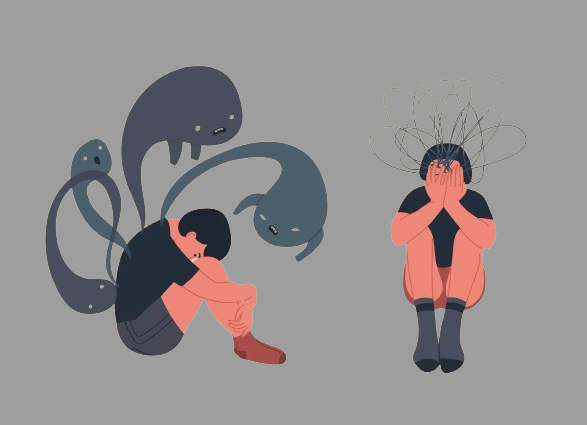
What does ADHD feel like? For many people, it feels like having a brain that is constantly “on,” even when you desperately want it to slow down. It can feel like racing thoughts, unfinished tasks, emotional intensity, and bursts of laser focus that disappear as quickly as they arrive. It can feel like being called “lazy” when you’re actually trying twice as hard as everyone else just to keep up.
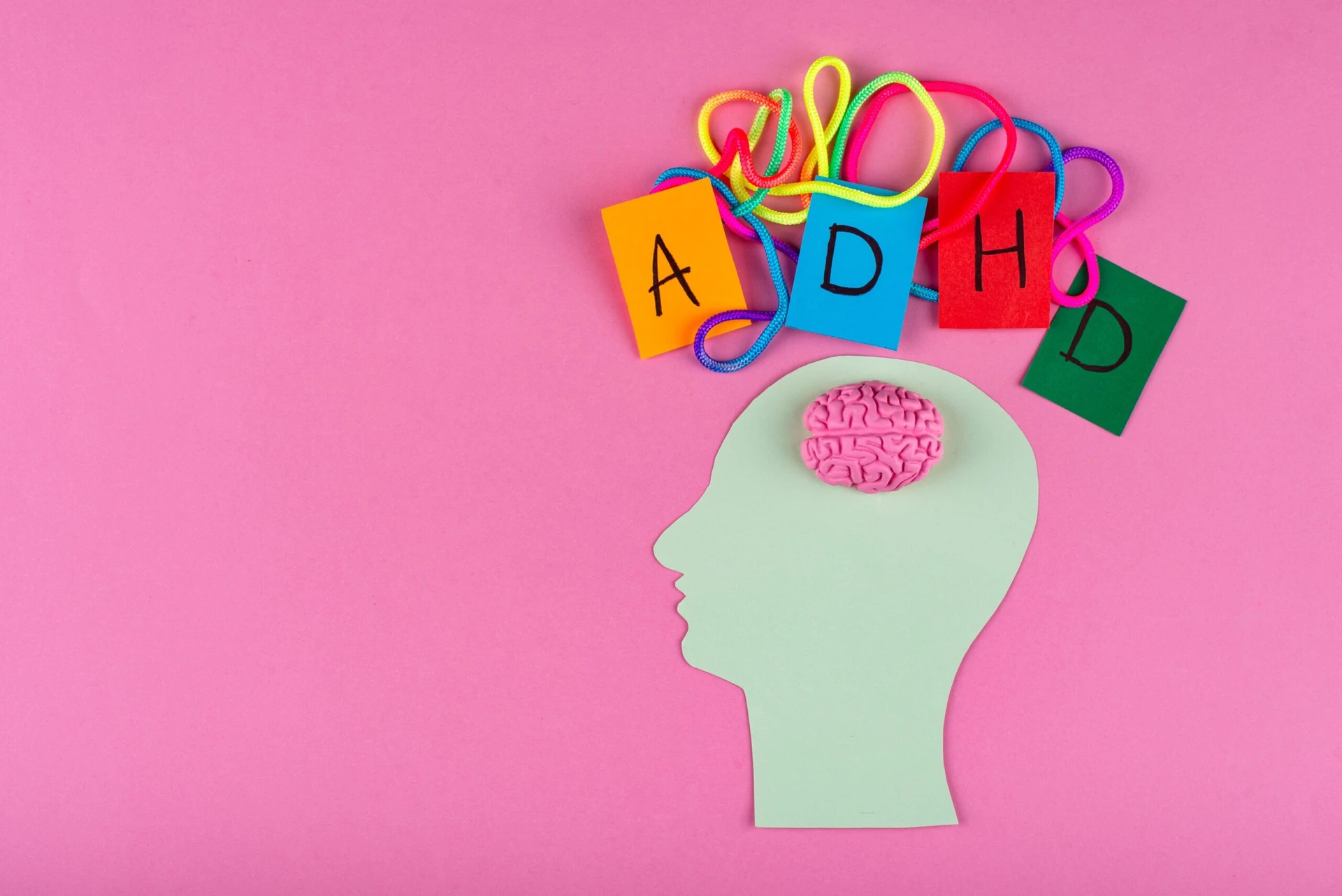
Attention-Deficit/Hyperactivity Disorder (ADHD) is not just about being distracted or hyperactive. It is a neurodevelopmental condition that affects attention, impulse control, emotional regulation, motivation, and executive functioning. For children and adults alike, living with ADHD can be confusing, frustrating, and—at times—deeply validating once understood.
What Does ADHD Feel Like on a Daily Basis?
When people ask, what does ADHD feel like day to day? the answer often depends on the person—but there are common patterns.
1. Mental Chaos or Mental Fog
Some people describe ADHD as:
- A browser with 37 tabs open
- A radio constantly changing stations
- Thoughts overlapping and competing
Others describe the opposite:
- Mental fog
- Difficulty starting tasks
- Feeling “stuck” even when they know what to do
Both experiences can exist in the same person.
2. Time Blindness
ADHD affects the brain’s sense of time. Minutes can feel like seconds. Hours can disappear without notice. This can lead to:
- Chronic lateness
- Underestimating how long tasks take
- Hyperfocus that overrides everything else
3. Task Paralysis
You know what you need to do.
You want to do it.
But you can’t start.
This isn’t laziness—it’s often executive dysfunction, meaning the brain struggles with organizing, initiating, and sequencing actions.
4. Emotional Intensity
Many people with ADHD experience emotions more intensely:
- Excitement feels euphoric
- Frustration feels overwhelming
- Rejection feels crushing
5. Hyperfocus
Contrary to stereotypes, ADHD isn’t always about distraction. It can also mean becoming so deeply focused on something interesting that:
- You forget to eat
- lose track of time
- You ignore responsibilities
How Does an ADHD Person Feel?
An ADHD person often feels mentally restless, emotionally intense, easily overwhelmed, and frustrated by inconsistent focus. They may struggle with motivation, time management, and impulse control while also experiencing bursts of creativity and hyperfocus. Many describe feeling misunderstood, ashamed, or exhausted from trying to keep up.
Common Emotional Experiences
- Chronic self-doubt
- Feeling “different”
- Shame from missed deadlines
- Overwhelm in busy environments
- Burnout from masking symptoms
Masking means hiding symptoms to appear “normal,” which can be exhausting over time.
What Does ADHD Feel Like in the Brain?
ADHD involves differences in dopamine regulation. Dopamine affects:
- Motivation
- Reward processing
- Attention
- Mood
Why Motivation Feels Inconsistent
ADHD brains often respond to:
- Urgency
- Novelty
- Interest
- Immediate rewards
But struggle with:
- Long-term deadlines
- Repetitive tasks
- Delayed gratification
This is why someone with ADHD may procrastinate for weeks—then complete everything in a few hours of panic-fueled focus.
ADHD in Adults vs. Children – Does It Feel Different?
In Children
- Visible hyperactivity
- Impulsive behavior
- Difficulty sitting still
In Adults
- Internal restlessness
- Racing thoughts
- Chronic disorganization
- Emotional overwhelm
Many adults are diagnosed later in life, often after years of feeling misunderstood.
What Is the 24 Hour Rule for ADHD?
Short Answer:
The 24 hour rule for ADHD is a productivity strategy where tasks are completed within 24 hours of remembering them, before motivation fades. It helps reduce procrastination by leveraging urgency and immediate action.
ADHD brains often struggle with delayed rewards. Completing tasks quickly prevents them from becoming overwhelming mental clutter.
What Is the 10 3 Rule for ADHD?
Short Answer:
The 10 3 rule for ADHD involves working for 10 minutes followed by a 3-minute break. This short cycle helps maintain focus, prevent burnout, and regulate dopamine levels.
This strategy works because:
- Short tasks feel manageable
- Breaks prevent overwhelm
- Momentum builds gradually
What Makes ADHD Worse?
ADHD symptoms can worsen due to sleep deprivation, chronic stress, trauma, hormonal shifts, overstimulation, poor diet, and lack of structure. When the brain is overwhelmed, focus and emotional regulation decline further.
1. Lack of Sleep
Sleep impacts executive function and emotional control.
2. Stress
High stress intensifies impulsivity and distractibility.
3. Trauma
Unresolved trauma can amplify ADHD-like symptoms.
4. Social Media Overload
Constant stimulation reduces attention tolerance.
5. Burnout
Masking symptoms for long periods can lead to emotional collapse.
What Does ADHD Feel Like in Relationships?
Relationships can feel intense and complicated.
Emotional Sensitivity
Many experience Rejection Sensitive Dysphoria (RSD)—extreme emotional pain triggered by perceived rejection.
Forgetfulness Conflicts
Missing anniversaries or chores can cause misunderstandings.
Strengths in Love
- Deep empathy
- Passion
- Spontaneity
- Creativity
ADHD and Emotional Dysregulation
ADHD is not just attention-based—it’s emotional.
You might experience:
- Quick anger
- Sudden tears
- Emotional “hangovers”
- Mood swings
Emotional dysregulation can feel like lacking an internal “volume control.”
What Does Undiagnosed ADHD Feel Like?
For many adults, undiagnosed ADHD feels like:
- Chronic shame
- Feeling lazy but trying hard
- Anxiety from missed deadlines
- Depression from underachievement
Getting a diagnosis can be validating.
Can ADHD Feel Like Anxiety or Depression?
Yes.
ADHD overlaps with:
- Generalized anxiety
- Major depression
- Burnout
Misdiagnosis can happen when attention issues are mistaken for mood disorders alone.
Seek professional evaluation if symptoms significantly impair work, school, or relationships.
Strengths of the ADHD Brain
ADHD is not only struggles. Many strengths include:
- Creativity
- Big-picture thinking
- Hyperfocus on passion projects
- High energy
- Risk-taking innovation
Many entrepreneurs and creatives credit ADHD traits for their success.
When Should Someone Seek Help?
Consider seeking support if:
- Work or school performance suffers
- Relationships feel strained
- Emotional distress increases
- Anxiety or depression develops
Treatment options include:
- Therapy
- ADHD coaching
- Medication
- Lifestyle changes
Conclusion – What Does ADHD Feel Like Really?
So, what does ADHD feel like?
feels like having a brain that operates on interest instead of importance. It feels like intensity—both struggle and brilliance. It feels exhausting at times, but also creative, energetic, and deeply human.
ADHD is not laziness. It is not a character flaw. It is a neurological difference that deserves understanding and support.
With the right strategies and treatment, people with ADHD can thrive.
Frequently Asked Questions
1. What does ADHD feel like in adults?
Adults often experience internal restlessness, emotional intensity, disorganization, and difficulty with time management rather than visible hyperactivity.
2. How does an ADHD person feel emotionally?
They may feel overwhelmed, sensitive to criticism, and frustrated by inconsistent focus.
3. What triggers ADHD symptoms?
Stress, sleep deprivation, overstimulation, and lack of structure can worsen symptoms.
4. Is ADHD a mental illness?
ADHD is a neurodevelopmental disorder, not simply a mental illness.
5. Can ADHD get worse with age?
Symptoms may shift rather than worsen, often becoming more internalized in adulthood.
6. Does ADHD cause anxiety?
ADHD can increase anxiety due to chronic overwhelm and executive dysfunction.
7. Can ADHD be treated?
Yes. Therapy, medication, coaching, and lifestyle strategies can significantly improve symptoms.