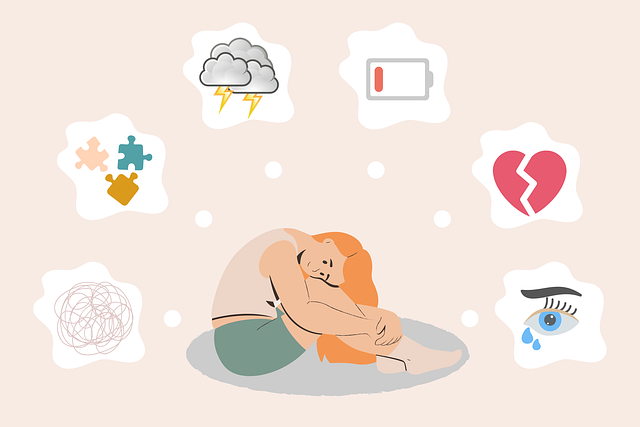
People pleasing is often misunderstood as kindness, generosity, or being “nice.” In reality, people pleasing is not about compassion—it is about survival. At its core, people pleasing is a psychological coping strategy developed to avoid rejection, conflict, abandonment, or emotional pain.

Many people pleasers grow up believing their worth depends on how happy, comfortable, or satisfied others feel. Saying “no” triggers guilt. Setting boundaries feels dangerous. Prioritizing oneself feels selfish—even wrong.
What Does Psychology Say About People Pleasing?
From a psychological perspective, people pleasing is considered a maladaptive coping mechanism. It is not a personality flaw or weakness. It is a learned behavior rooted in emotional conditioning.
Psychologists describe people pleasing as:
- A fear-based response to potential rejection or disapproval
- A form of external validation dependence
- A pattern of self-abandonment to maintain connection
- A trauma-linked survival strategy
People pleasers are often highly empathetic, emotionally intelligent, and sensitive to others’ needs. However, this sensitivity becomes harmful when it comes at the cost of their own identity, boundaries, and well-being.
What Is the Cause of People Pleasing?
1. Childhood Conditioning and Attachment Styles
One of the most common roots of people pleasing lies in childhood. Children who grow up in environments where love is conditional often learn that approval must be earned.
Common childhood experiences linked to people pleasing include:
- Emotionally unavailable or inconsistent caregivers
- Harsh criticism or high expectations
- Being rewarded for obedience rather than authenticity
- Growing up in conflict-heavy or unpredictable homes
- Having to emotionally care for parents (parentification)
Children in these environments adapt by becoming “easy,” quiet, helpful, or emotionally invisible. Over time, this becomes an identity.
Attachment theory explains this well. People pleasers often develop:
- Anxious attachment (fear of abandonment)
- Fearful-avoidant attachment (desire for closeness mixed with fear)
2. Trauma and the Fawn Response
In trauma psychology, people pleasing is closely associated with the fawn response, one of the four trauma responses (fight, flight, freeze, fawn).
The fawn response involves:
- Appeasing others to stay safe
- Suppressing personal needs
- Avoiding conflict at all costs
- Seeking approval to reduce threat
For many trauma survivors, pleasing others was the safest option available.
3. Fear of Rejection and Abandonment
People pleasers often carry a deep-seated belief:
“If I upset someone, I will be rejected.”
This fear may stem from early emotional wounds, relational trauma, or repeated experiences of abandonment. As adults, people pleasers overextend themselves to prevent being left.
4. Low Self-Worth and External Validation
When self-worth is tied to others’ approval, people pleasing becomes automatic. Instead of asking “What do I need?”, the question becomes “What do they expect from me?”
This leads to:
- Difficulty making decisions
- Overthinking conversations
- Constant guilt
- Anxiety when asserting needs
5. Cultural and Gender Expectations
Many cultures reward self-sacrifice, especially in women. Messages like:
- “Be polite.”
- “Don’t be difficult.”
- “Put others first.”
These norms reinforce people pleasing and shame assertiveness, making boundary-setting feel socially unacceptable.
Signs and Behaviors of People Pleasing
People pleasing can appear subtle or extreme. Common signs include:
Emotional Signs
- Chronic guilt
- Fear of disappointing others
- Anxiety around conflict
- Emotional exhaustion
Behavioral Signs
- Saying yes when you want to say no
- Over-apologizing
- Avoiding honest communication
- People-pleasing at work and in relationships
Cognitive Signs
- Overthinking interactions
- Assuming responsibility for others’ emotions
- Believing your needs are less important
People Pleasing vs Kindness vs Empathy
It’s important to clarify the difference:
- Kindness is freely given
- Empathy is emotionally attuned
- People pleasing is fear-driven
Kindness feels empowering. People pleasing feels draining.
Is Being a People Pleaser a Red Flag?
The Short Answer: Not Always—but It Can Be
Being a people pleaser is not a character flaw, but unhealed people-pleasing patterns can become a red flag in relationships and workplaces.
Potential red flags include:
- Lack of boundaries
- Passive resentment
- Emotional burnout
- Difficulty expressing needs
- Codependency
However, labeling people pleasers as “toxic” is harmful. These behaviors often reflect unmet emotional needs, not manipulation.
Mental Health Effects of Chronic People Pleasing
Long-term people pleasing is linked to:
- Anxiety disorders
- Depression
- Burnout and chronic stress
- Identity confusion
- Emotional numbness
- Resentment and anger suppression
When individuals consistently abandon themselves, the nervous system remains in a heightened state of stress.
Why People Pleasers Fear Conflict So Much
For many people pleasers, conflict once meant:
- Emotional withdrawal
- Punishment
- Abandonment
- Escalation
Their nervous system learned that disagreement equals danger. Avoidance becomes automatic.
Is People Pleasing a Trauma Response?
Yes, in many cases. People pleasing is often an adaptive trauma response that helped someone survive emotionally unsafe environments. The problem arises when this strategy continues long after the threat has passed.
How to Overcome Pleasing People
Healing people pleasing is not about becoming selfish—it’s about becoming authentic.
1. Awareness and Self-Compassion
Start by noticing patterns without judgment. Ask:
- “Why does this feel unsafe?”
- “What am I afraid will happen?”
2. Boundary-Setting Skills
Boundaries protect relationships; they don’t destroy them.
Examples:
- “I need time to think about that.”
- “I’m not available for that right now.”
3. Nervous System Regulation
People pleasing is stored in the body. Helpful practices include:
- Breathwork
- Grounding exercises
- Somatic therapy
4. Cognitive Behavioral Therapy (CBT)
CBT helps challenge beliefs like:
- “I must be liked to be safe.”
- “Saying no makes me selfish.”
5. Inner Child Healing
Reconnecting with unmet childhood needs helps break the cycle of self-abandonment.
6. Assertiveness Training
Assertiveness is the middle ground between passivity and aggression. It allows honesty without guilt.
7. Rebuilding Self-Worth
True healing happens when self-worth comes from within—not from approval.
Real-Life Example
Sarah, a 32-year-old professional, constantly overworked to avoid disappointing colleagues. Therapy revealed she learned early that love followed performance. Learning to set boundaries improved her anxiety and relationships dramatically.
Practical Exercises to Reduce People Pleasing
The Pause Practice
Before saying yes, pause for 10 seconds and ask:
- “Do I genuinely want to do this?”
Values Check
Choose actions aligned with values—not approval.
Hope-Focused Conclusion
People pleasing is not who you are—it’s something you learned. And what is learned can be unlearned.
Healing does not mean becoming cold or selfish. It means learning that your needs matter, your voice is valid, and connection does not require self-erasure.
With awareness, support, and practice, it is possible to build relationships rooted in honesty rather than fear.
Frequently Asked Questions
1. Is people pleasing a mental disorder?
No, but it is linked to anxiety and trauma responses.
2. Can people pleasing be unlearned?
Yes, with therapy and self-awareness.
3. Are people pleasers manipulative?
No. Their behavior is fear-based, not intentional manipulation.
4. Is people pleasing linked to narcissistic parents?
Often, yes—especially emotionally unavailable caregivers.
5. Why do people pleasers feel guilty saying no?
Because guilt was conditioned as a survival response.
6. Can people pleasing ruin relationships?
Yes, if it leads to resentment and emotional suppression.