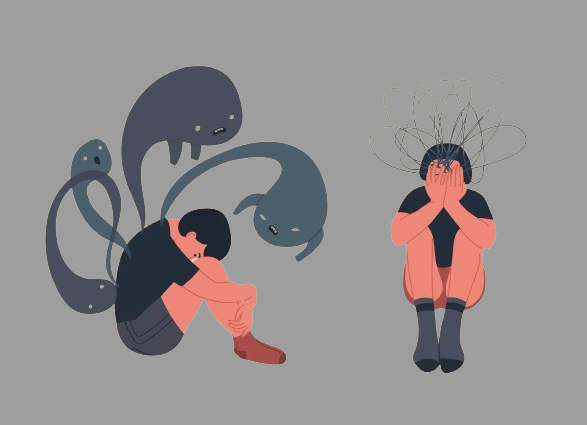
Stress does not only affect emotions—it profoundly impacts the nervous system. When stress becomes chronic or overwhelming, the brain and body can begin to communicate distress through neurological-like symptoms. These symptoms may feel frightening, confusing, and often indistinguishable from serious neurological disease. Many people report numbness, weakness, tremors, seizures, dizziness, or problems with speech and vision, yet medical tests return normal.
These experiences are real. They are not imagined, exaggerated, or “all in your head.” Stress-induced neurological symptoms reflect a dysregulated nervous system, not structural damage. Conditions such as Functional Neurological Disorder (FND) sit at the intersection of neurology, psychology, and physiology, offering critical insight into how stress reshapes brain function.
The Brain–Body Connection: How Stress Affects the Nervous System
The nervous system is designed for survival. When the brain detects danger—real or perceived—it activates the stress response, releasing adrenaline and cortisol to prepare the body for action. This response is helpful in short bursts. However, when stress is prolonged, unresolved, or traumatic, the nervous system can become stuck in a state of chronic threat activation.
Over time, this can lead to:
- Overactivation of the sympathetic nervous system
- Suppression of rest-and-repair functions
- Heightened sensory processing
- Disrupted motor control and perception
The brain prioritizes survival over precision. As a result, neurological functioning becomes inconsistent, leading to symptoms that resemble neurological disease without physical injury to the brain or nerves.
This is where stress-induced neurological symptoms emerge.
What Are the Neurological Symptoms of Stress?
Stress can produce a wide range of neurological symptoms that feel intense and alarming. These symptoms vary from person to person and may come and go unpredictably.
Common Stress-Induced Neurological Symptoms
- Tingling, numbness, or pins-and-needles sensations
- Muscle weakness or heaviness in arms or legs
- Tremors, shaking, or jerky movements
- Dizziness or balance problems
- Head pressure or tension headaches
- Visual disturbances such as blurring or light sensitivity
- Difficulty speaking or word-finding
- Brain fog, memory lapses, or confusion
- Dissociation or feeling disconnected from the body
- Stress-related seizures or collapse episodes
These symptoms are often episodic, worsen during emotional stress, and improve with rest or reassurance.
Why Stress Can Feel Neurological
Stress alters how the brain processes sensory and motor information. When the nervous system is overwhelmed, signals may be misinterpreted, amplified, or blocked. This leads to real physical symptoms without nerve damage.
Importantly, normal scans do not mean symptoms are imaginary. They indicate functional disruption, not structural disease.
Stress vs. Neurological Disease: Understanding the Difference
Many people fear that stress-induced symptoms indicate degenerative or life-threatening neurological illness. While symptoms can overlap, the underlying mechanisms differ significantly.
Key Differences
Stress-induced neurological symptoms:
- Fluctuate in severity
- Are influenced by emotional state
- Improve with nervous system regulation
- Do not follow predictable nerve damage patterns
Neurological diseases:
- Progress consistently over time
- Show abnormalities on imaging or testing
- Are less influenced by emotional context
Understanding this distinction helps reduce fear, which itself fuels symptoms.
What Are FND Symptoms?
Functional Neurological Disorder (FND) occurs when the brain has difficulty sending and receiving signals correctly, despite normal structure. It represents a breakdown in how the nervous system functions, not damage to the system itself.
Common FND Symptoms
- Non-epileptic seizures
- Limb weakness or paralysis
- Abnormal walking or coordination
- Speech or swallowing difficulties
- Tremors or spasms
- Sensory loss or altered sensation
FND symptoms are involuntary. They are not under conscious control and are not fabricated. The brain is functioning in survival mode, prioritizing threat detection over coordination and control.
How Stress and Trauma Contribute to FND
FND often develops following:
- Chronic stress
- Emotional trauma
- Medical illness or injury
- Prolonged anxiety or burnout
The nervous system becomes hypersensitive, and symptoms emerge as a protective response.
What Are the Symptoms of a Neurological Disorder?
Neurological disorders caused by structural disease can include:
- Persistent muscle weakness
- Progressive loss of coordination
- Vision loss due to nerve damage
- Seizures with abnormal electrical activity
- Cognitive decline
Medical evaluation is essential when symptoms first appear. Once serious conditions are ruled out, ongoing fear may perpetuate stress-related symptoms.
How to Stop FND Seizures?
FND seizures, also known as dissociative or non-epileptic seizures, arise from nervous system overload rather than abnormal electrical brain activity.
Key Strategies for Reducing FND Seizures
1. Nervous System Regulation
- Slow, diaphragmatic breathing
- Grounding through sensory awareness
- Gentle rhythmic movement
2. Reducing Fear of Symptoms
Fear reinforces seizures. Education and reassurance weaken the stress-seizure cycle.
3. Body-Based Approaches
- Somatic therapy
- Trauma-informed movement
- Progressive muscle relaxation
4. Emotional Processing
- Identifying suppressed stress or emotions
- Learning emotional regulation skills
- Building tolerance for bodily sensations
5. Consistent Daily Routines
Predictability helps calm the nervous system and reduce symptom frequency.
Recovery focuses on retraining the brain, not suppressing symptoms.
Diagnosis and the Power of Reassurance
Receiving a clear explanation of stress-induced neurological symptoms often leads to improvement. Diagnosis itself can calm the nervous system by reducing uncertainty and fear.
Reassurance works because the brain no longer perceives ongoing danger.
Healing the Nervous System Through Neuroplasticity
The brain is adaptable. Through neuroplasticity, new pathways can replace stress-driven patterns.
Supportive Healing Practices
- Regular sleep and rest
- Gentle physical activity
- Mindful breathing
- Limiting overstimulation
- Emotional safety
Healing is gradual but sustainable when approached with patience and consistency.
Long-Term Recovery and Prevention
Long-term recovery involves learning to respond differently to stress rather than eliminating stress entirely.
Key elements include:
- Stress pacing
- Boundary setting
- Emotional awareness
- Body trust restoration
The nervous system learns safety through repetition.
Conclusion
Stress-induced neurological symptoms are real, common, and reversible. Conditions like FND represent the nervous system’s attempt to cope with overload—not damage or degeneration. With understanding, reassurance, and nervous system regulation, recovery is not only possible but expected.
Healing does not require force. It requires safety, patience, and retraining the brain to recognize that the threat has passed.
FAQ – Stress-Induced Neurological Symptoms
Can stress really cause neurological symptoms?
Yes. Chronic stress can disrupt how the brain communicates with the body, leading to genuine neurological symptoms without structural damage.
Are FND symptoms permanent?
No. FND symptoms are reversible with proper education, nervous system regulation, and therapeutic support.
Why do my symptoms feel so severe if nothing is wrong on scans?
Scans detect damage, not function. Stress affects how the brain operates, not how it is built.
Can stress-induced symptoms go away completely?
Yes. Many people experience full recovery as the nervous system learns safety again.
Is therapy necessary for recovery?
While not mandatory, therapy—especially body-based or trauma-informed approaches—greatly improves outcomes.