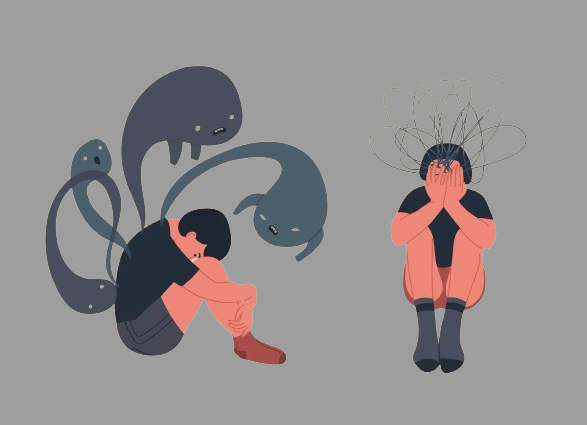
Stress is a natural part of being human. In small doses, it helps us focus, react quickly, and stay alert. But when stress becomes constant or overwhelming, it begins to affect the brain in profound ways. Many people notice changes such as brain fog, emotional reactivity, poor concentration, memory issues, or feeling mentally exhausted—and wonder what stress is really doing to their brain.
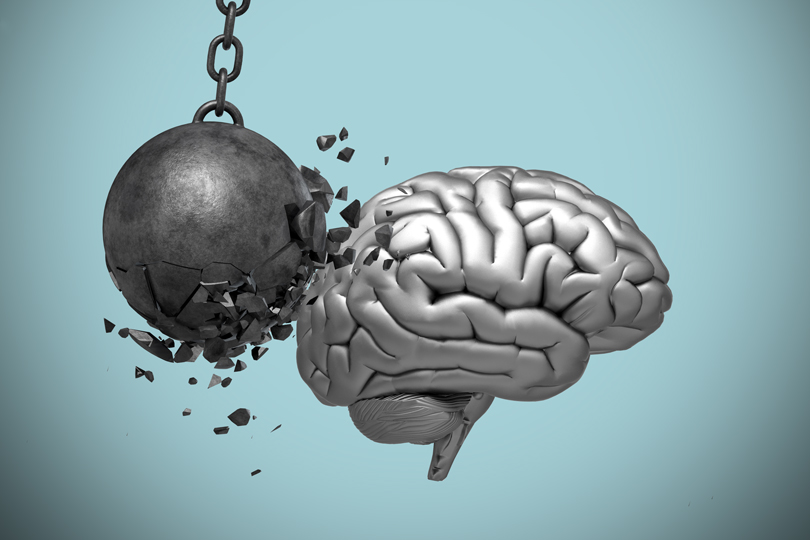
The good news is this: the brain is adaptable. Even though stress can alter brain function, these changes are often reversible with the right support, habits, and understanding.
Understanding Stress and the Brain
Stress is the body’s response to perceived threat or pressure. When the brain detects danger—physical or emotional—it activates a survival response designed to keep you safe.
This response involves:
- The nervous system
- Stress hormones like cortisol and adrenaline
- Multiple brain regions responsible for emotion, memory, and decision-making
Short-term stress can be helpful. Long-term stress, however, keeps the brain in a constant state of alert, which eventually disrupts normal brain function.
What Are the Effects of Stress on the Brain?
Stress affects the brain on multiple levels: chemical, structural, and functional. These changes explain why stress can make thinking, remembering, and emotional control more difficult.
1. Stress Hormones and Brain Chemistry
When stressed, the brain releases:
- Cortisol – the primary stress hormone
- Adrenaline – increases alertness and energy
In short bursts, these hormones are useful. But chronic stress keeps cortisol levels elevated for too long, which can interfere with healthy brain function.
High cortisol levels are associated with:
- Reduced concentration
- Impaired memory formation
- Increased emotional reactivity
- Mental fatigue
Over time, the brain becomes less efficient at regulating stress, creating a loop where stress feels harder to manage.
2. Stress and the Amygdala (Fear Center)
The amygdala plays a key role in detecting threats and triggering emotional responses. Chronic stress can cause the amygdala to become overactive.
This may lead to:
- Heightened anxiety or fear responses
- Overreacting to small problems
- Increased irritability
- Difficulty feeling calm or safe
An overactive amygdala keeps the brain stuck in “danger mode,” even when no immediate threat exists.
3. Stress and the Prefrontal Cortex (Thinking Brain)
The prefrontal cortex is responsible for:
- Logical thinking
- Decision-making
- Focus and attention
- Emotional regulation
Chronic stress reduces activity in this area, making it harder to:
- Concentrate
- Think clearly
- Control impulses
- Regulate emotions
This is why stressed people often say they feel “mentally scattered” or unable to think straight.
4. Stress and the Hippocampus (Memory Center)
The hippocampus helps form and retrieve memories. It is particularly sensitive to cortisol.
Prolonged stress may:
- Interfere with memory formation
- Make learning new information harder
- Cause forgetfulness or brain fog
This does not mean stress permanently destroys memory—but it can temporarily disrupt how memories are processed and stored.
5. Stress and Brain Connectivity
Stress affects how different parts of the brain communicate with each other. Chronic stress can weaken connections involved in:
- Emotional balance
- Cognitive flexibility
- Attention control
As a result, the brain becomes less adaptable and more rigid in its responses.
How Does Stress Affect Mental Health?
Stress and mental health are closely linked. While stress itself is not a mental illness, prolonged stress can significantly impact emotional wellbeing and psychological resilience.
Emotional Effects of Stress
Stress can contribute to:
- Persistent worry or unease
- Low mood or emotional flatness
- Irritability or mood swings
- Reduced enjoyment of activities
Over time, emotional exhaustion may develop, making it harder to cope with everyday demands.
Stress and Anxiety-Like Symptoms
Chronic stress can mimic or worsen anxiety symptoms, such as:
- Restlessness
- Racing thoughts
- Muscle tension
- Difficulty relaxing
This happens because the brain remains in a heightened state of alert.
Stress and Depression-Like Symptoms
Prolonged stress may also lead to:
- Low motivation
- Fatigue
- Loss of interest
- Negative thinking patterns
These experiences do not automatically indicate depression, but they do signal that the brain is under strain.
Stress and Emotional Regulation
When stress disrupts communication between the amygdala and prefrontal cortex, emotions become harder to regulate.
You may notice:
- Feeling overwhelmed easily
- Emotional numbness
- Difficulty expressing feelings
- Feeling “on edge” for no clear reason
What Are the Side Effects of Chronic Stress?
Chronic stress occurs when the stress response remains activated for weeks, months, or even years. This has wide-ranging effects on both brain and body.
Cognitive Side Effects
- Brain fog
- Poor concentration
- Slower thinking
- Memory lapses
Emotional Side Effects
- Emotional exhaustion
- Increased irritability
- Feeling detached or numb
- Reduced emotional resilience
Physical Side Effects (Brain-Body Connection)
- Sleep disturbances
- Headaches
- Muscle tension
- Weakened immune response
Behavioral Side Effects
- Withdrawal from others
- Reduced motivation
- Increased screen time
- Difficulty maintaining routines
These side effects are signs that the brain and nervous system are overloaded—not that something is “wrong” with you.
Acute Stress vs Chronic Stress
Understanding the difference is essential.
Acute Stress
- Short-term
- Situation-specific
- Often resolves naturally
- Can improve performance temporarily
Chronic Stress
- Long-lasting
- Ongoing pressure or worry
- Disrupts brain balance
- Requires intentional recovery
The brain is well-equipped to handle acute stress, but chronic stress demands active intervention.
Can Stress Damage the Brain Permanently?
This is a common fear. In most cases, no.
While chronic stress can change brain function, the brain remains plastic, meaning it can adapt, repair, and rewire.
The key factors in recovery are:
- Duration of stress
- Individual resilience
- Access to recovery and support
With consistent stress reduction, many stress-related brain changes improve significantly.
How to Reverse Stress Damage?
Reversing stress effects on brain function is less about “fixing” the brain and more about creating conditions for healing.
1. Regulate the Nervous System
Calming the nervous system reduces cortisol and restores balance.
Helpful practices:
- Slow, deep breathing
- Gentle stretching or yoga
- Walking in nature
- Mindfulness without pressure
Consistency matters more than intensity.
2. Improve Sleep Quality
Sleep is one of the most powerful brain repair tools.
To support recovery:
- Maintain consistent sleep times
- Reduce screen use before bed
- Create a calming bedtime routine
Quality sleep helps restore memory, mood, and emotional regulation.
3. Reduce Ongoing Stressors Where Possible
You may not eliminate all stress, but you can reduce unnecessary strain.
This may include:
- Setting boundaries
- Reducing overcommitment
- Simplifying routines
- Taking regular breaks
Small changes accumulate into meaningful relief.
4. Support Brain Chemistry Naturally
Healthy brain function depends on:
- Balanced nutrition
- Regular movement
- Adequate hydration
Exercise, in particular, increases neuroplasticity and reduces stress hormones.
5. Rebuild Emotional Safety
The brain heals faster when it feels safe.
Ways to rebuild safety:
- Talking with supportive people
- Journaling emotions
- Creative expression
- Therapy or counseling when needed
Emotional expression reduces internal pressure.
6. Challenge Stress-Driven Thought Patterns
Stress often fuels negative thinking loops.
Gently question thoughts like:
- “I can’t handle this”
- “I’m failing”
- “This will never end”
Replacing them with more balanced perspectives reduces brain strain.
7. Be Patient With Recovery
Stress recovery is gradual. The brain does not switch back overnight.
Progress often looks like:
- Fewer bad days
- Shorter stress episodes
- Faster emotional recovery
These are signs the brain is healing.
How Long Does It Take the Brain to Heal From Stress?
There is no fixed timeline. For some, improvement begins within weeks; for others, it may take months.
Healing depends on:
- Stress duration
- Lifestyle changes
- Emotional support
- Individual nervous system sensitivity
What matters most is consistent reduction of stress, not perfection.
Can the Brain Become Stronger After Stress?
Yes. Many people experience post-stress growth, including:
- Greater emotional awareness
- Improved coping skills
- Increased resilience
- Deeper self-understanding
The brain doesn’t just recover—it can adapt in healthier ways.
Frequently Asked Questions
Does stress affect memory and focus?
Yes. Stress interferes with memory formation and attention, but these functions often improve with recovery.
Can chronic stress cause brain fog?
Yes. Brain fog is a common stress response.
Is stress damage permanent?
In most cases, no. The brain can heal and rewire.
Can reducing stress improve mental health?
Absolutely. Stress reduction is foundational for mental wellbeing.
Final Thoughts: Stress Changes the Brain, but the Brain Can Heal
Stress effects on brain function are real, but they are not permanent or hopeless. The brain is resilient, adaptive, and capable of recovery when given the right conditions.
Feeling mentally exhausted, foggy, or emotionally overwhelmed does not mean your brain is broken. It means your nervous system has been working too hard for too long.
With patience, self-compassion, and gradual changes, the brain can regain clarity, balance, and emotional strength—often emerging stronger than before.
If you want next, I can: